A ceasefire in the Middle East will not prevent the Reserve Bank from hiking interest rates again. This was reported by Qazaqyia.kz citing The Guardian.
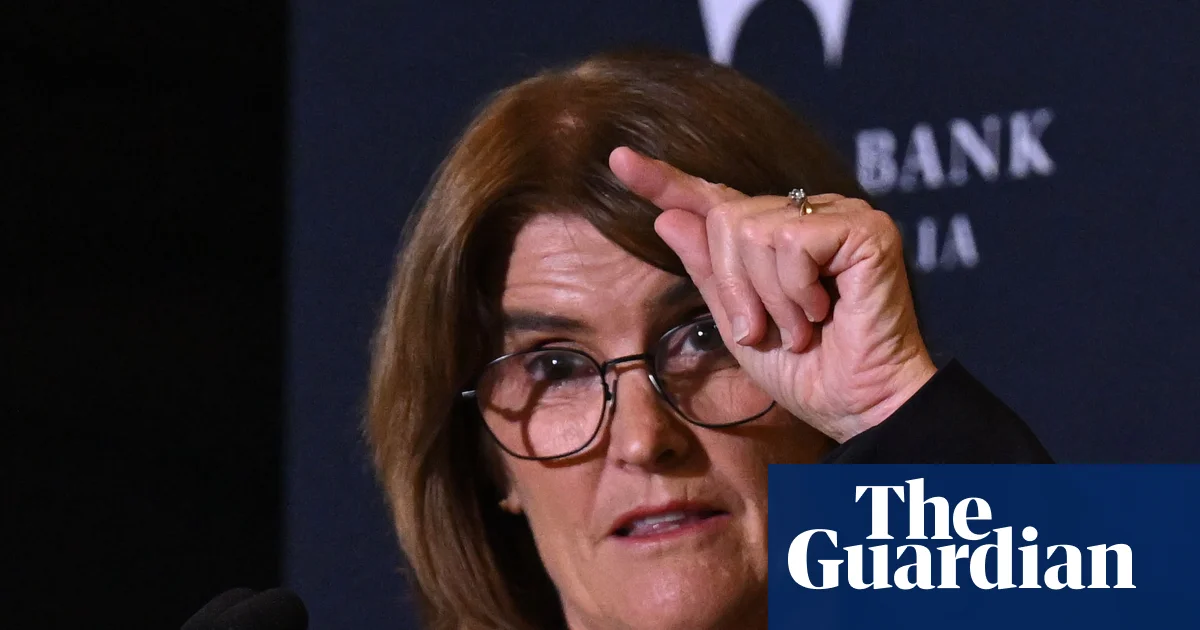
RBA governor Michele Bullock delivered a strong message after the central bank held its cash rate at 4.35%, ending a run of three increases.
"I want to be very clear that inflation remains too high," Bullock said. "Today's decision does not rule out further tightening in monetary policy if that is what is required to bring inflation down."
Higher borrowing costs have been "tough" on households, Bullock conceded, but there could be no let-up in the battle to get consumer price growth into the 2-3% target range.
Prices were rising too quickly even before the US and Israel attacked Iran at the end of February and triggered the closure of the world's most important oil shipping route, the Strait of Hormuz.
Despite the tough talk, financial markets are not convinced the RBA will need to go again, putting the probability of a hike by year's end at a little over 50%. Economists are roughly split on whether interest rates will need to rise again, and the governor's comments did nothing to change anybody's mind.
The economy slowed markedly at the start of the year, and interest rates are contributing to that slowdown. Unemployment has jumped to 4.5% – its highest since late 2021 – and is set to push a bit higher. Consumer confidence is at around its lowest levels on record; we are as pessimistic as we were during the height of the pandemic.
Rising unemployment and slowing growth suggests lower interest rates, or at least no more hikes. Inflation at 4.2%, however, argues the opposite – and hence the difficult terrain the RBA is trying to navigate.
Global oil prices have retreated to three-month lows of about $US83 a barrel as news emerged late last week that a peace deal between the US and Iran would be signed. Any progress towards peace is welcome, but the cork remains firmly in the champagne bottle.
It will take time for shipping companies to regain the confidence to start travelling through the Strait of Hormuz. Insurance costs will be sky-high, and months of work will be needed to repair energy infrastructure damaged in the conflict.
Bullock "welcomed" reports "that an agreement has been reached to end the conflict in the Middle East". "If the conflict does end and the Strait of Hormuz is reopened, this should support the flow of commodities and lower prices," she said. "But this could take some time, and an orderly resolution is still not assured, meaning there are still upside risks to inflation and downside risks to growth."
Jim Chalmers, the treasurer, was similarly realistic. "We're very pleased with developments, but realistic about how long it will take for the world economy to normalise," he said – even if the ceasefire holds.
Still, there's rising optimism that we can at least start ruling out the worst-case scenarios that the strait could remain shut into 2027. And at this moment, any optimism is welcome.