The start of the unicameral Kurultai opens a new stage not only in the political but also in the economic system of Kazakhstan. This was reported by Qazaqyia.kz citing Kursiv Media.
Today, President Kassym-Jomart Tokayev, speaking at the first session, spoke about structural economic restructuring, modernization of energy and utility infrastructure, effective use of National Fund assets, digitalization and introduction of artificial intelligence, as well as strengthening parliamentary control over the budget.
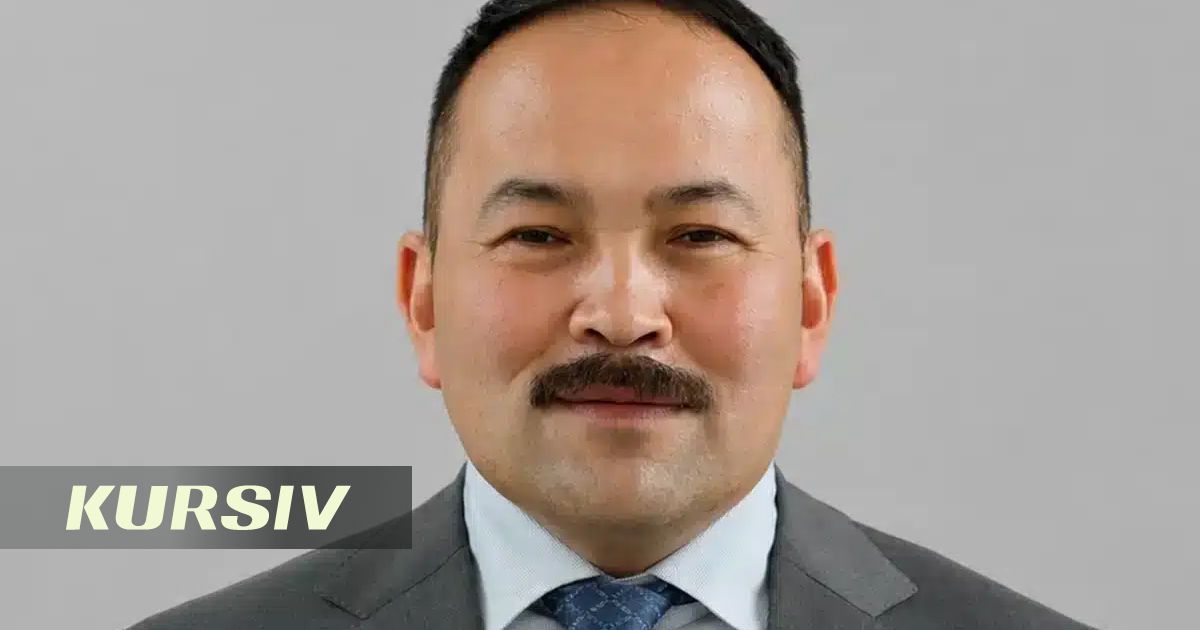
Economist Rasul Rysmambetov told which of the outlined initiatives could have the greatest economic effect, where Kazakhstan should direct investments, and what role the new unicameral Kurultai can play in implementing reforms.
Architecture of power and economic decisions
- 01President Kassym-Jomart Tokayev stated that with the start of the unicameral Kurultai, Kazakhstan enters a new stage of political development. How can the change in the architecture of power affect the quality of economic decisions and the speed of reforms?
As for the architecture of power and economic decisions, much will depend both on the Kurultai deputies themselves and on the quality of its apparatus. I expect that a strong analytical structure will be created under the Kurultai, capable of promptly and, most importantly, qualitatively assessing decisions and proposals. This is especially important when it comes to the economy: it is necessary to understand in advance the consequences of certain initiatives.
Such analytical work should be built using artificial intelligence, as the President has repeatedly said. This will improve the quality of expertise and the speed of processing large volumes of information.
Economic priorities
- 01The Head of State noted that structural economic reforms have already begun in Kazakhstan, a new industrial framework is being formed, and large-scale infrastructure renewal requires significant investment. What areas should become priorities today so that these investments ensure sustainable economic growth?
Structural reforms have already begun, forced diversification of the economy is underway, and a new industrial and infrastructure framework is indeed being formed. The course outlined by Tokayev for structural economic restructuring, in my opinion, meets the country's current tasks. One of the main priorities should be energy. It is necessary to continue large-scale modernization of the energy and utility sectors.
The second important area is agriculture, and above all, processing of agricultural products. At the same time, any new investments should be preceded by a thorough audit of existing assets. We need to understand what the state has today and how effectively it is used.
Water management requires special attention. In addition, transport, logistics, development of transit potential and warehouse infrastructure remain crucial areas.
But perhaps one of the most important priorities I would call technical and secondary technical education. We can build modern infrastructure, enterprises and energy facilities, but we need people who can use, maintain and develop these systems. Therefore, training of technical personnel should go in parallel with industrial development.
Use of National Fund assets
- 01The President proposed to direct National Fund assets to strategically important projects with long-term socio-economic effect. How justified is this approach, and by what criteria should projects that truly deserve funding from the National Fund be determined?
National Fund assets should primarily be directed where they can create long-term economic returns.
The key criterion should be understanding what effect a particular project will have on the economy: whether it will create new production capacities, jobs, infrastructure, increase productivity, or allow the state to receive additional income in the future.
We need to be much more careful about how budget funds and National Fund resources are used. Image projects may also matter, but in my opinion, they should be far from the first place.
Also, state support should not be reduced to simply handing out construction contracts. It is important that project initiators themselves participate in financing and share investment risks. The presence of own funds from the initiator is also an indicator of his confidence in the viability of the project.
Digitalization and innovation
- 01The President set the task to accelerate Kazakhstan's transition to innovative rails based on science, digital technologies and artificial intelligence. Where do you see real points of economic growth in this area, and what is currently preventing Kazakhstan from moving faster from a raw materials model to a technological economy?
Artificial intelligence itself is not a separate industry that will automatically ensure economic growth. Of course, we can create technology clusters, develop IT infrastructure, build our own "startup valley", but it is much more important to introduce digital technologies directly into real sectors of the economy.
I see great potential in mechanical engineering and agriculture. It is there that digitalization and artificial intelligence can increase productivity, reduce costs and improve management quality.
It is equally important to use these technologies in public finance. We need to improve the quality of budget and National Fund management, directing resources primarily where they can create economic returns.
Digitalization should not be an end in itself or an image project. It should help the real sector become more productive and efficient.
Digital assets and "Golden Visa"
- 01Among the initiatives to be considered by the Kurultai are the development of the digital assets industry, the Digital Qazaqstan strategy, and the introduction of a "Golden Visa" to attract qualified specialists, technologies and foreign capital. To what extent can these measures increase investment attractiveness?
(The text is cut off, so the full answer is missing. However, the economist expressed his opinion on the impact of these measures on investment attractiveness.)