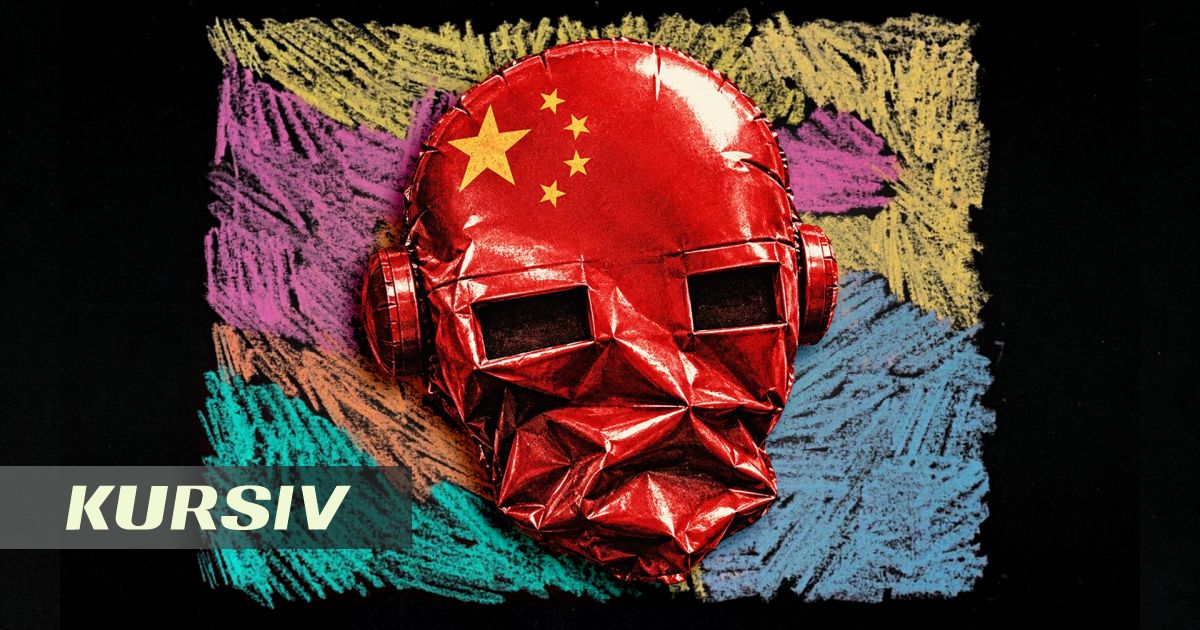
Shares of companies linked to artificial intelligence, robotics and semiconductor production have crashed in China. In about four months, the STAR50 technology index has lost 40%, and the market value of companies has shrunk by approximately $480 billion. This was reported by Qazaqyia.kz citing Kursiv Media.
STAR50 index plunge
The STAR50 index, which includes 50 large companies from China's STAR Market technology platform, has been falling rapidly since reaching a peak in July 2026. This was reported by Reuters.
Impact on the broader market
The decline has also affected the broader Chinese stock market. The CSI 300 index, which tracks the shares of 300 large companies in mainland China, has fallen by about 20% compared to its June peak.
Reuters even writes that "the AI bubble in China has already burst."
Robot and chip manufacturers
Robot and microchip manufacturers have been particularly hard hit. For example, shares of the Chinese company Unitree, which produces humanoid robots, have halved since its stock market debut in August. Chipmaker CXMT has lost more than a quarter of its value over the past month.
Shares of optical component manufacturers Zhongji Innolight and Eoptolink Technology have fallen even more. Since June-July, their value has dropped by approximately 60%.
Causes of the crash
According to Reuters, one of the main reasons was the excessive overvaluation of technology company shares. Investors actively poured money into artificial intelligence, betting on rapid industry development and support from Chinese authorities.
However, doubts have gradually been growing in the market about whether companies will be able to justify such high valuations with future profits. Pressure also came from the threat of US restrictions on supplies of Chinese equipment for data centers.
Analyst warnings
Analysts warn that the crash could make it harder for Chinese technology companies to attract investment and go public.
Reuters notes that what is happening has dealt a serious blow to Beijing's plans to attract household savings into the stock market to finance the development of artificial intelligence.
Earlier, Kursiv wrote that shares of the world's largest AI companies fell sharply amid concerns about the development of artificial intelligence. At that time, Nvidia securities lost 3.5%, AMD — 5.6%, and Micron — 6.7%. The sell-off affected stock markets in Asia, Europe and the United States.