Authorities in China and the United States are increasingly discussing new fees for electric vehicle owners. The reason is not only the growing weight of cars but also the decline in fuel tax revenues. This was reported by Qazaqyia.kz citing Kursiv Media.
Until recently, electric cars were considered a more environmentally friendly alternative to internal combustion engine vehicles. However, the pursuit of greater range has led to battery-powered cars gaining significant weight.
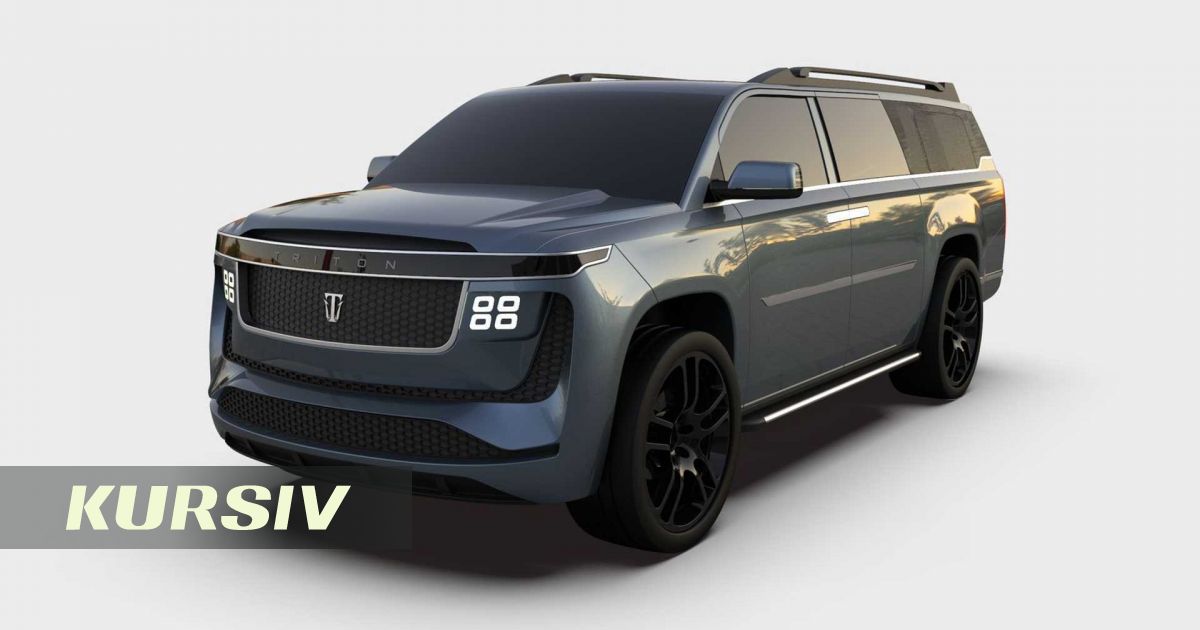
Manufacturers are installing larger-capacity batteries, and buyers are increasingly choosing large crossovers and SUVs. As a result, the average weight of new electric vehicles in China has approached 1.9 tons, with some models exceeding 3 tons.
The heavier the car, the greater the load on the road surface. At the same time, EV owners often do not contribute to road infrastructure funding through fuel excise taxes. As electric transport grows in popularity, authorities are beginning to seek new sources of funding for road repair and construction.
In the US, additional annual payments for EV owners are already being proposed. In some states, this amounts to about $250 per year.
A similar discussion is underway in China. There, they are considering a system that would take into account not only the vehicle's mileage but also its mass. The heavier the car and the more it is driven, the higher the payment could be.
For many years, governments have encouraged the transition to electric transport through incentives and subsidies. However, as the number of electric vehicles grows, authorities increasingly talk about the need to compensate for lost fuel tax revenues. It is possible that in the future, owners of such cars will have to pay for roads on par with those who drive gasoline or diesel vehicles.
Earlier, Kursiv Avto reported that Chinese electric cars have become so heavy in recent years that authorities decided to intervene. Meanwhile, in Kazakhstan, nearly 32,500 electric vehicles are registered — about 0.5% of the country's total vehicle fleet.