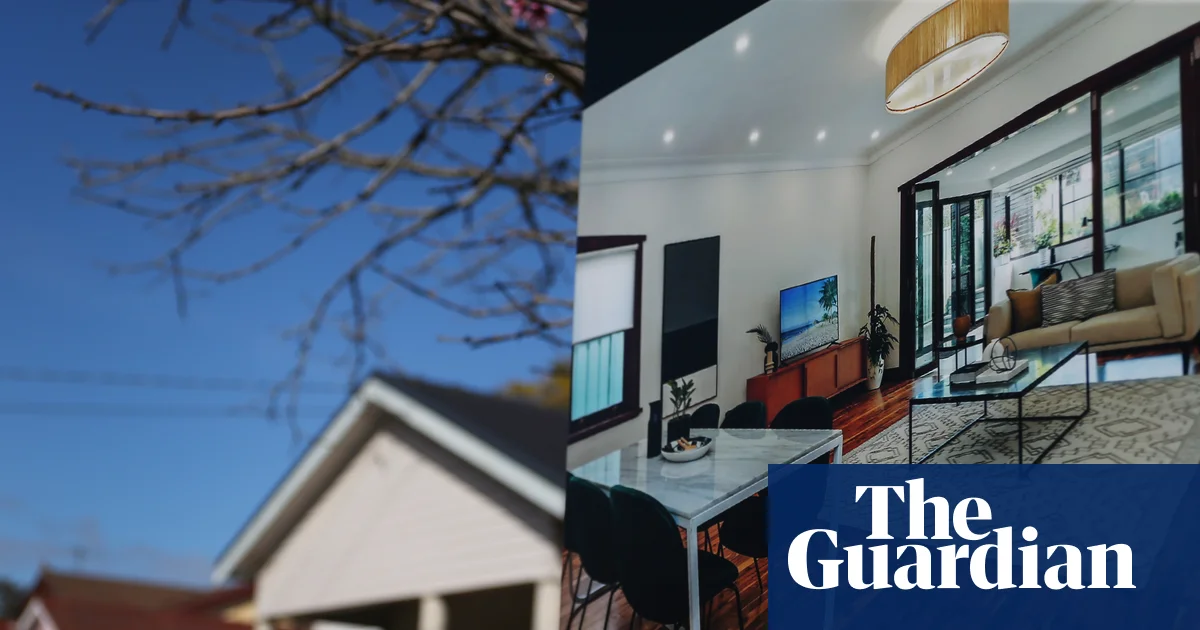
High-end homes are recording steep price falls, while more affordable properties are proving resilient, leaving Australians to experience the market downturn in very different ways. This was reported by Qazaqyia.kz citing The Guardian.
According to analysis from Cotality, upper-quartile house values in the country's two biggest markets, Sydney and Melbourne, are now down more than 10% from their peaks. The gap between upper and lower-value housing is most pronounced in Sydney and Melbourne, while Perth, Adelaide and Brisbane recorded more even – and modest – price declines over winter.
Cotality's head of research, Gerard Burg, said while the market correction had become more widespread, the largest declines were concentrated among expensive homes.
"Higher-value dwellings in Sydney, Melbourne and Canberra were the first to turn and continue to record the largest cumulative falls," he said.
In Sydney, upper-quartile houses are valued at $2.1m and above. In Melbourne and Canberra, they are priced at about $1.2m and above.
Australia's property market is facing a rare price correction, as rising interest rates and less favourable tax settings for investors accelerate a downturn.
National dwelling values fell 3.1% over the past three months, according to Cotality, although price growth remained positive over a 12-month period.
High-end homes tend to record sharper price movements than the rest of the market, given they are widely viewed as more speculative purchases driven by sentiment.
Many of those high-end homes recording steep price reductions rose spectacularly in recent years.
Peter Esho, an economist and chief executive at 13x, said the property market was showing signs of stabilising because the "the budget noise has started to wash out, and buyers who were on the sidelines are seeing this as an opportunity".
"Investors have moved away from the market, but first-time buyers and other owner-occupiers that were priced out of the market are stepping in," Esho said.
While government critics had largely blamed the downturn on Labor's May budget reforms, which included getting rid of negative gearing for most new investors, the changes were benefiting prospective owner-occupiers.
Buying activity remained robust at lower price ranges, especially when properties were below the caps that allow a first home buyer to access the government's first home buyer 5% deposit scheme.
The cap in Sydney is $1.5m, while first homeowners can use the low deposit scheme to access homes worth up to $950,000 in Melbourne and $1m in Brisbane.
House values in Sydney's and Melbourne's lower quartiles were down less than 6% and 4%, respectively, from their peaks.
While the broader property outlook was complicated by rising oil prices linked to the Iran conflict – which ultimately puts pressure on interest rates – employment levels were still robust in Australia.
"The single biggest risk to the overall housing market is unemployment," Esho said.
"That's the one factor that can change it from a market correction into a systemic issue. We don't yet have unemployment rising to dangerous levels even though it has picked up."