Millions of Australians could be saving up to $370 a year on energy bills and doing their bit for the climate crisis if Labor followed the UK's lead in legalising plug-in solar panels, an advocacy group has said. This was reported by Qazaqyia.kz citing The Guardian.
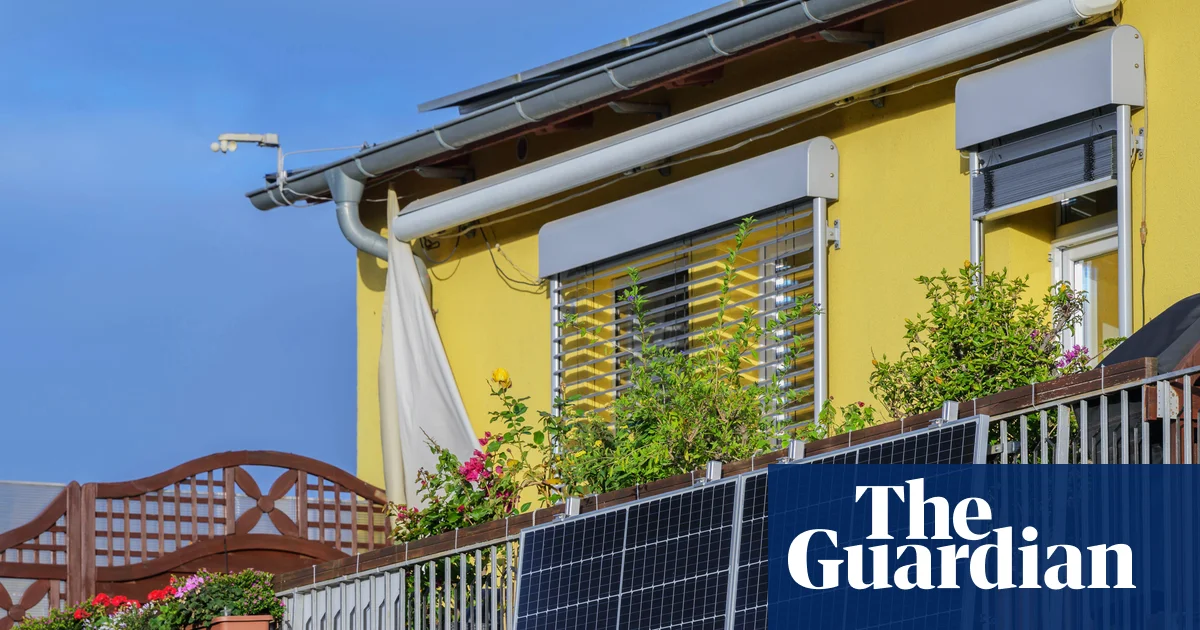
Plug-in solar refers to small standalone solar units that could be attached to balconies or used in back yards and plugged into power points, offsetting the energy used by household appliances.
Researchers have estimated Australians living in capital cities could save between $226 and $372 each year with a plug-in system.
While these systems are sold in Australia, they are not yet legal to plug in and use.
As a result, Heidi Lee Douglas, chief executive of Solar Citizens, said more than a third of Australians who rented or lived in apartments were missing out on the "bill-busting benefits" that solar homeowners enjoyed.
The campaign organisation has urged Australian governments to make plug-in solar available, after the technology was made legal in the United Kingdom this week, with units going on sale from Thursday.
"It's unfair that more than three million Aussies who could benefit from portable plug-in solar panels are missing out because our regulations aren't up to date with the latest technology," she said.
"We see the UK, Germany, Spain and our neighbour New Zealand making plug-in solar available – so it's time for Australian politicians and regulators to work it out here. If it's good enough for the Kiwis and the Brits, it's good enough for us."
Solar and battery engineer Glen Morris, director of the Smart Energy Lab, said an 800-watt system could produce enough power to run a fridge, television and other appliances during the day.
"A kit that costs about $1,000 pays for itself in three years and keeps working for twenty," he said. "For most renters it is the only form of solar they can own, and they take it with them when they move."
Only about 11% of Australian renters have solar installed, compared with about 44% of homeowners, research by Energy Consumers Australia found. A similar gap existed for those living in apartments, with 6% having solar, compared with 39% of people in detached or semi-detached houses.
The consumer organisation said renters were missing out due to the "split incentive" problem, where landlords faced the upfront costs of installing solar, while tenants gained the most benefits. Apartment dwellers also faced structural barriers due to the complexities governing common property, the research found.
Along with unprecedented uptake of household solar and battery systems, the research revealed record quarterly investment in large-scale solar, with 1.8 gigawatts reaching final investment decision – the strongest result since the regulator began tracking investment activity.
The regulator's acting chair, Carl Binning, said "the speed of the transition is accelerating", adding that strong battery demand under the government's Cheaper Home Batteries program had helped boost rooftop solar.
"We've now received more than 500,000 battery applications since the program started, which shows the scale of household demand when the economics stack up," he said.