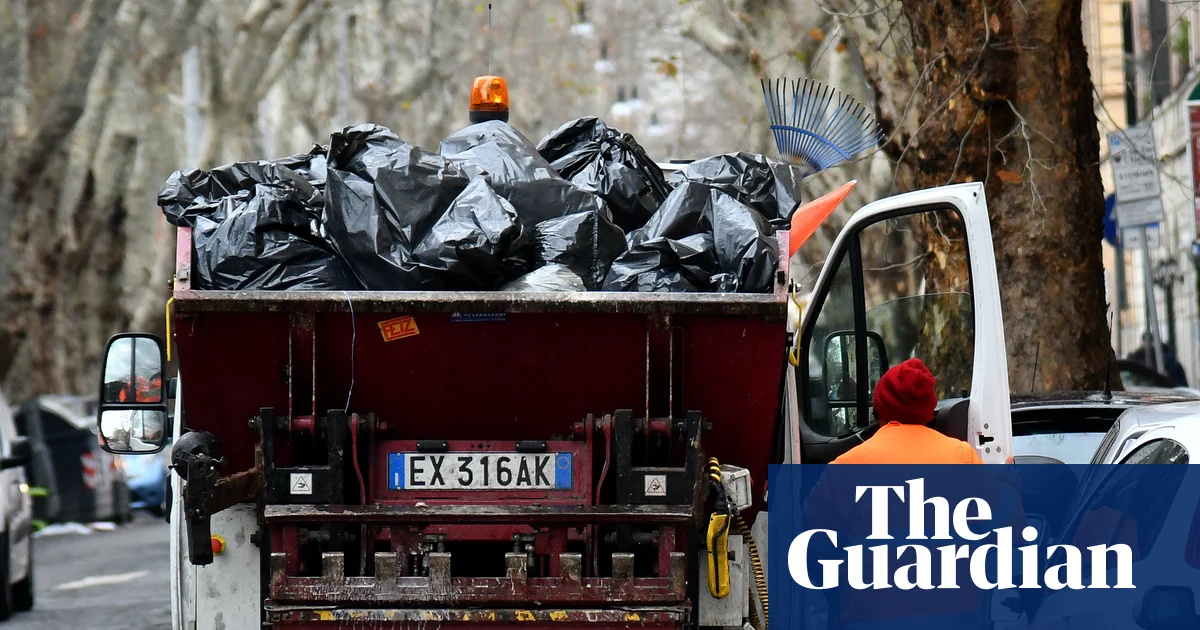
A €1m lottery ticket has been recovered from the rubbish in Italy after the frantic winner called on refuse collectors to help her retrieve it, according to the waste management company. This was reported by Qazaqyia.kz citing The Guardian.
The instant win ticket was “miraculously still in one piece” after garbage workers combed through mounds of rubbish on their truck, said Roberto Nicola Toscano, the administrator of the SANB company in Italy’s southern Puglia region.
The story begins
Toscano explained how when the winner went on Sunday to check her ticket at her local shop after the draw, the machine indicated it was “non-payable”. That was because smaller retailers can only redeem small wins. But the woman – who remains anonymous – didn’t realise she had won the big jackpot.
“The winner always played the same numbers, as they were associated with a loved one,” Toscano said. When she returned home from the store, a family member told her that her regular numbers had won. They immediately ran back to the shop, only to discover the ticket had already been thrown away and the rubbish collected.
The search
“We reconstructed the journey of the ticket, without much hope of finding it, as it had already been picked up by a garbage truck,” Toscano said. With a stroke of luck, however, they managed to identify the correct lorry and stopped it.
Given the risk posed by potentially dangerous material in the waste, they took the vehicle to a specialist company equipped to do the search, he said. The workers searched for over a day, finding various tickets and ticket stubs. “Among them was the stub we were looking for, which was miraculously still in one piece,” Toscano said.
Winner's reaction
When he told the winner they had found it, “she cried with emotion”, he said. “I would have hugged her, but we were on the phone.”
Costs
However, averting the disaster came at a price. SANB, located in Bitonto outside Bari, is a public agency, meaning that the cost of the search would have been borne by taxpayers. Toscano said the woman had to sign a promise to “cover all of the additional costs” incurred – a gamble that paid off.