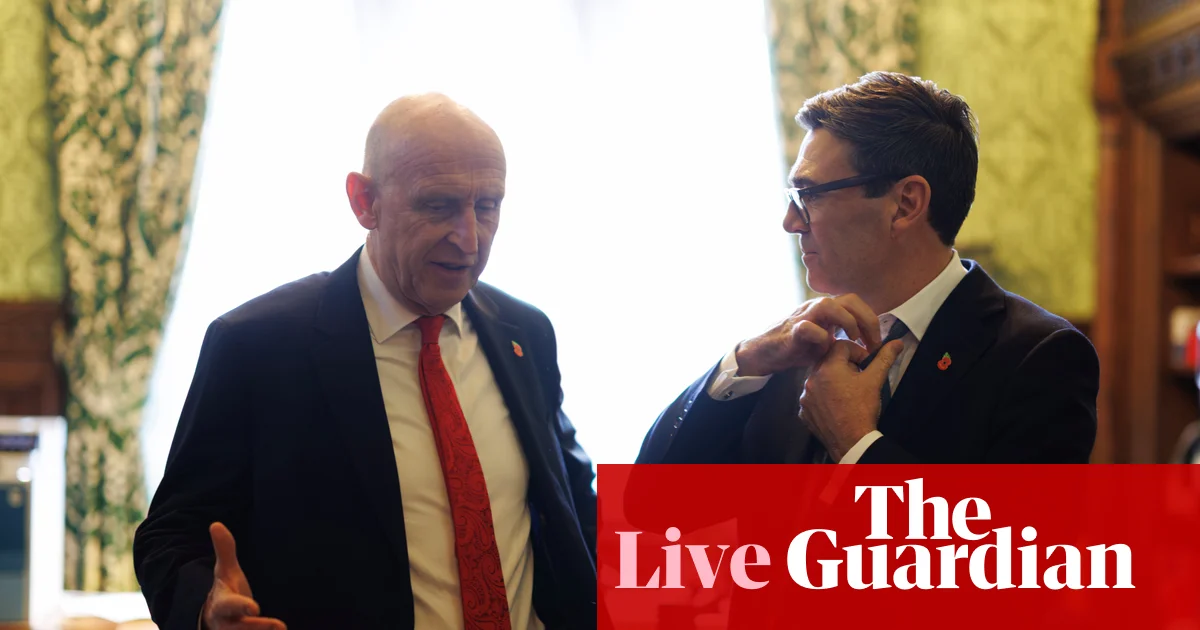
The Treasury is rowing back from John Healey's answer in an interview on the Today programme implying he wanted welfare spending to go down before the next general election. According to Chris Mason, the BBC's political editor, Treasury sources are saying his words have been over-interpreted. This was reported by Qazaqyia.kz citing The Guardian.
This relates to what Healey said in an interview with Nick Robinson for the Today programme. It was broadcast this morning, but recorded yesterday, and the BBC has written it up in a story on its website headlined: "Healey promises reduction in welfare bill before next election".
For the record, here is the key exchange.
**Robinson:** Let's take welfare if we could. £19bn up in the year ahead. That's the entire police budget for England and Wales. That's the entire annual defence equipment budget. And yet in your speech you said, well, we've got a couple of reports coming next month, then we'll have a white paper, which in non-Westminster jargon means a consultation, then you'll have some legislation, then you'll have a row in the Labour party. You're not going to make any of these cuts before the next election, are you?
**Healey:** Well first, I've said clearly, the prime minister said as well, we have to bring the benefits bill down. You don't do that by crude cuts, especially when people are feeling the cost of living pressures. We do have a big report, two big reports being produced next month, that will help us map out the way that we need to change the system for the long run. We are in fact reducing and have been over the last two years the rate of increase in the welfare bill compared to the previous period – I'm afraid to say – of a broken system the Conservatives put in place. We're bringing back and have brought back face to face assessments which they axed for instance. We've been changing universal credits so people aren't branding themselves as too sick to work in order to make that system work better.
**Robinson:** But you're reducing the rate of increase in welfare spending chancellor aren't you? But the OBR's forecast is that £1 in every £8 will be spent on welfare by 2030 or thereabouts. You've got to make cuts, haven't you?
**Healey:** This system is unsustainable. I've been clear about that. The prime minister's been clear about it ….
**Robinson:** Briefly, because I want to give you the chance to talk about other things – there will be cuts in welfare before the election?
**Healey:** There will be there will be a reduction in the benefits bill. We'll do that in a Labour way and we will do that because it is simply not good for Britain or progressive to have a bigger and bigger benefits bill and I feel a moral duty to deal with these youngsters who at the moment have been written off by previous governments.
The answer highlighted in bold is what gave the BBC its story. Healey paused slightly between the first "there will be" and the second "there will be" and it would be perfectly reasonable to interpret it as:
"There will be. [Direct answer to Robinson's question.] There will be a reduction in the benefits bill [etc etc – Healey expanding on the answer.]"
But the Treasury is implying what he meant was:
"There will be, there will be a reduction in the benefits bill [Healey simply repeating three words as he launches into more general answer, not answering Robinson directly, but just explaining the government's approach.]"
Reasonable people could interpret is either way. But Mason said the Treasury had told him the first interpretation was not accurate, and that if Healey really wanted to commit to getting cutting the benefits bill before the general election, he would have announced that in the budget.
Given that Alan Milburn himself has said that his plans to tackle youth unemployment may require more spending upfront in return for savings later, and given that welfare reforms often take most of a decade to roll out, it does seem unlikely that Healey intended to say the benefits bill would be cut before the election.
But, as Mason pointed out on the Today programme, "correcting" this story means the Treasury is implicitly saying benefit spending won't go down before the election – which is very helpful to the Tories and Reform UK.