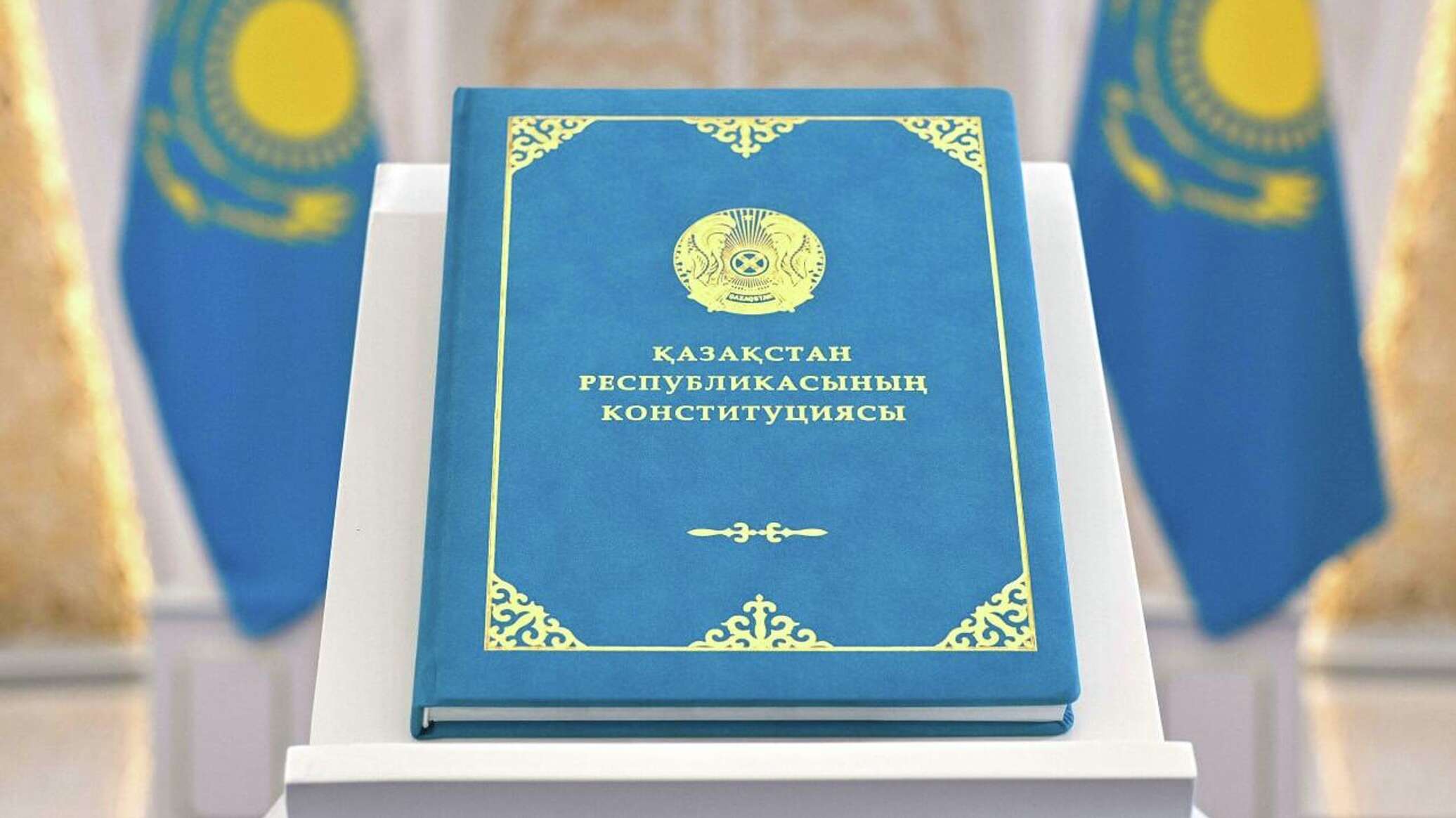
Today, Kazakhstan's new Constitution came into force. The 80% renewed Basic Law provides for extensive changes. This was reported by Qazaqyia.kz citing Sputnik Kazakhstan.
Kurultai Elections
According to the new Constitution, the bicameral parliament ceased its work on July 1. The president must announce elections for the Kurultai within one month. Elections for the unicameral parliament must be held within two months. In September, after the opening of the first session of the Kurultai, a vice president will be appointed within two months. Deputies of the Kurultai must give their consent. The President of Kazakhstan has the right to dissolve the Kurultai after consultations with the Chairman of the Kurultai and the Prime Minister.
What the Vice President Does
Previously, if the president could not fulfill his duties, his functions were transferred to the chairman of the Senate. Now, since the Senate no longer exists, the Constitution stipulates that the vice president automatically becomes the acting head of state. The vice president is appointed by the president with the consent of the Kurultai. The vice president is prohibited from being a member of a party or holding other positions. The Vice President of Kazakhstan, on behalf of the head of state, represents the president in interaction with the Kurultai, the Government, and other state bodies, and also exercises other powers determined by the president.
Constitutional Court
The Constitutional Court retained its composition of eleven judges, but the procedure for their appointment changed. Previously, the president approved the chairman with the consent of the Senate, and the judges themselves were proposed by various branches of government. Now the president appoints the chairman unilaterally, and the remaining ten judges are appointed by the head of state with the consent of the Kurultai. The court's new powers include recognizing decisions of international organizations as contrary to the Constitution and banning their implementation in Kazakhstan, as well as issuing an opinion on the president's voluntary resignation.
Judicial System
Changes also affected the judicial system. The Chairman of the Supreme Court is appointed for a term of six years and cannot hold the position for more than one term. Judges of the Supreme Court are elected by the Kurultai; previously, this was done by the Senate. To detain a judge or initiate criminal proceedings against them, the consent of the president or the Kurultai is required based on the conclusion of the Supreme Judicial Council.
Prosecutor's Office Now Fully Subordinate to the President
The Prosecutor General is appointed for a single term of six years. His immunity can be lifted only with the consent of the president, and he reports only to the head of state. The previous requirement for the Senate to approve the candidacy of the Prosecutor General has been removed.
Akimats
Akim of regions and cities of republican significance are appointed by the president, but now require the consent of local maslikhats. The president has the right to dismiss an akim at his discretion. When a new head of state arrives, the powers of all akims are automatically terminated.
Heads Appointed Anew
Within two months after the new Constitution comes into force, the heads of 6 bodies must be appointed: Chairman of the National Security Committee; Prosecutor General; Head of the National Bank; Chairman of the Supreme Court; Commissioner for Human Rights; Chairman of the Supreme Judicial Council. And within two months after the opening of the first session of the Kurultai, the Chairman of the Constitutional Court and judges, as well as the Chairman and members of the Central Election Commission, will be appointed.
What the People's Council Does
The People's Council of Kazakhstan is a supreme advisory body representing the interests of the people. It consists of citizens of Kazakhstan. The main powers of the Council include: determining the main directions of the state's domestic policy, strengthening public harmony, national unity and solidarity; developing proposals and recommendations for promoting the fundamental principles of the Republic of Kazakhstan and national values; introducing bills to the Kurultai; initiating the appointment of a national referendum.
"Equal" Replaced with "Alongside"
The new Constitution changes the status of the Russian language. The word "equal" has been replaced with "alongside." That is: "In state organizations and local self-government bodies, the Russian language is officially used alongside the Kazakh language."
Rights and Freedoms
In Kazakhstan, every person has the right to protect their rights and freedoms by all means not contrary to the law, including necessary self-defense. This includes through the court and receiving qualified legal assistance. "Human rights and freedoms belong to everyone from birth, are recognized as inalienable and inviolable, and the content and application of the current law of the Republic of Kazakhstan are determined accordingly," states Article 15. All are equal before the law and the court. Also, the Republic of Kazakhstan guarantees the protection of its citizens outside the country in accordance with the law.
Detention Without Court Decision Prohibited
According to the Constitution, without a court decision, a person cannot be detained for longer than the period provided by law. Detention is allowed only by court decision, and the right to appeal is granted.