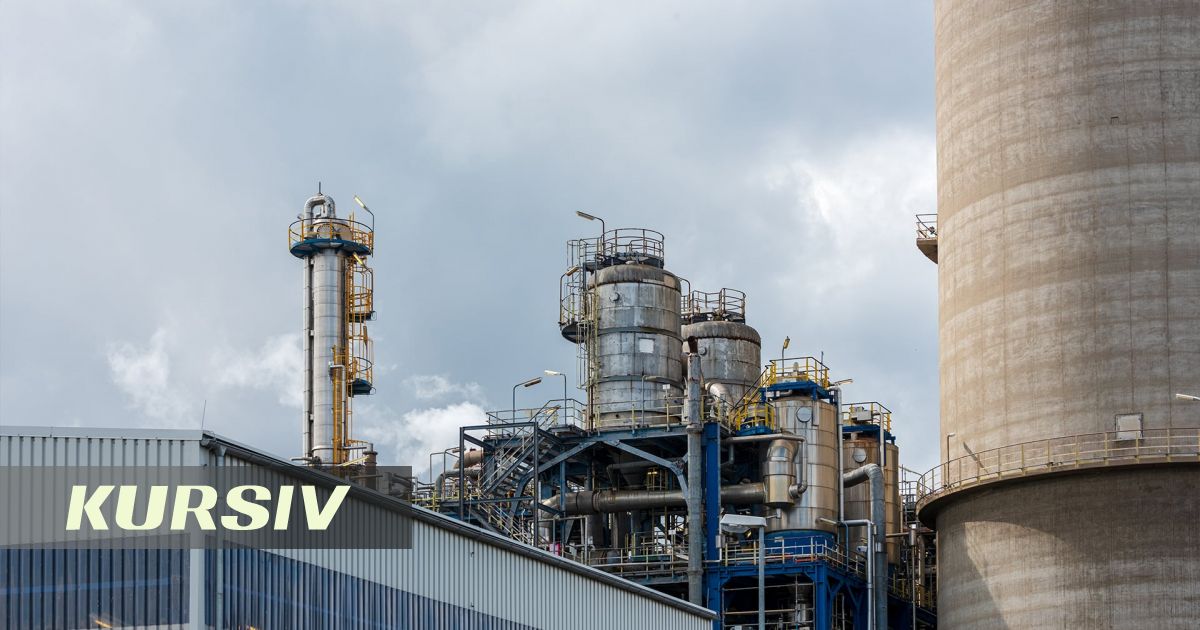
YPP Corporation will finance the construction of a $2 billion green hydrogen and ammonia production complex. The corresponding memorandum was signed during the visit of Kazakhstan President Kassym-Jomart Tokayev to South Korea. This was reported by Qazaqyia.kz citing Kursiv Media.
Capacity of new generation facilities
The design capacity of the new generation facilities will be around one gigawatt. The infrastructure will allow for the production of up to 55,000 tons of green hydrogen or up to 310,000 tons of green ammonia annually. The document also provides for joint research work and the transfer of Korean engineering competencies.
Reasons for investment and applications
Investments in hydrogen energy are driven by growing global demand for low-carbon raw materials. Green hydrogen produced in eastern Kazakhstan will be used in metallurgy, the chemical industry, energy, and the transport sector. In turn, the synthesized ammonia is planned to be used for fertilizer production and as a promising energy carrier for international export supplies.
Agreements during the visit
The signing of the memorandum was part of the agreements reached during the state visit of Kassym-Jomart Tokayev to Seoul on September 15–16, 2026. In total, 12 interstate and commercial agreements were signed following the visit in the fields of energy, nuclear industry, and technology.
Economic strategy and synergy
The basic economic strategy of the partnership is based on the formula of synergy: combining rich Kazakh resources and advanced South Korean technological solutions for expansion into Eurasian markets. Korean capital will be directed toward the implementation of a complex of infrastructure initiatives. In particular, agreements were reached on joint semiconductor production, as well as on the creation of a large food cluster that will include the localization of Korean ice cream production.
Social and educational projects
In the social sphere, the construction of a multidisciplinary hospital in Almaty is planned, which will operate according to strict South Korean medical standards. A separate strategic project in higher education will be the opening of a branch of the leading Korea Advanced Institute of Science and Technology (KAIST) on the basis of the under-construction metropolis Alatau City.