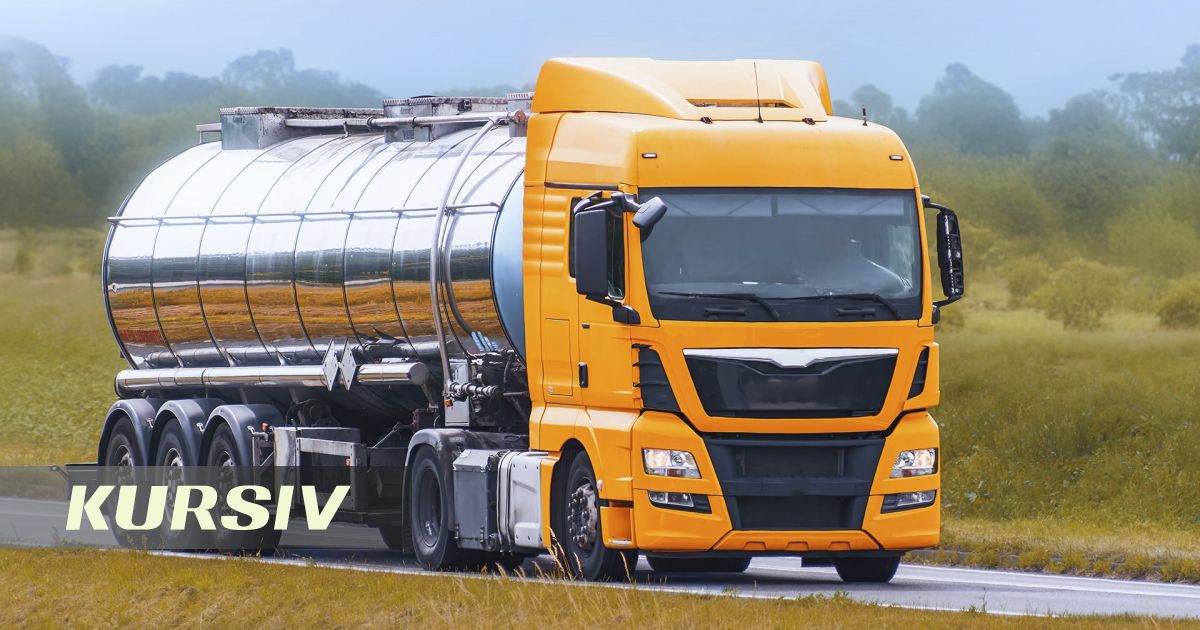
The Border Service of Kazakhstan's National Security Committee (KNB) continues its work at checkpoints to detect and suppress illegal activities at the border. From August 1 to 10, 411 attempts to export fuel and lubricants were prevented. This was reported by Qazaqyia.kz citing Kursiv Media.
In addition to attempts to illegally export fuel, 140 violations related to the transportation of consumer goods were detected during the same period. In total, over 10 days of August, border guards prevented 551 cases of illegal movement of goods and cargo across the border worth over 1 billion tenge.
"The Border Service of the KNB conducts constant work at checkpoints to detect and suppress illegal activities," the KNB press service reported.
Those responsible were brought to justice in accordance with the current legislation of Kazakhstan. The border service noted that work in this direction continues.
It is worth noting that in July, Kazakh customs officers also prevented 392 attempts to illegally export fuel and lubricants across the state border.
Earlier, Kursiv reported that gasoline prices in Kazakhstan had risen again. And the day before, the Ministry of Energy prepared a draft order to extend the ban on the export of gasoline, diesel fuel, and certain petroleum products from Kazakhstan for another six months.
Meanwhile, Olzhas Baidildinov, an expert in the oil and gas sector, energy, and tariff policy, believes that Kazakhstan needs to prepare in advance for a possible increase in the burden on the domestic petroleum products market.
Additional Information
The issue of illegal export of fuel and lubricants from Kazakhstan remains relevant. The authorities are taking various measures to suppress these actions, including strengthening border control and temporary export bans. These measures are aimed at preventing fuel shortages on the domestic market and stabilizing prices.
According to experts, to effectively combat illegal exports, border measures alone are not enough; it is also necessary to balance domestic demand and supply, increase the capacity of oil refineries, and improve price regulation mechanisms.
In this regard, the Ministry of Energy's initiative to extend the ban on the export of gasoline and diesel fuel is supported by market participants. It is expected that this measure will stabilize the domestic market and prevent fuel shortages.
Law enforcement agencies continue to work to identify and bring to justice those involved in illegal exports. In recent months, several large-scale illegal export schemes have been uncovered, indicating the effectiveness of government agencies in this direction.
According to analysts, the situation on Kazakhstan's fuel market remains difficult, but the measures taken by the authorities are contributing to stabilization. However, experts believe that in the long term, modernization of the oil refining industry and development of the domestic market are necessary.