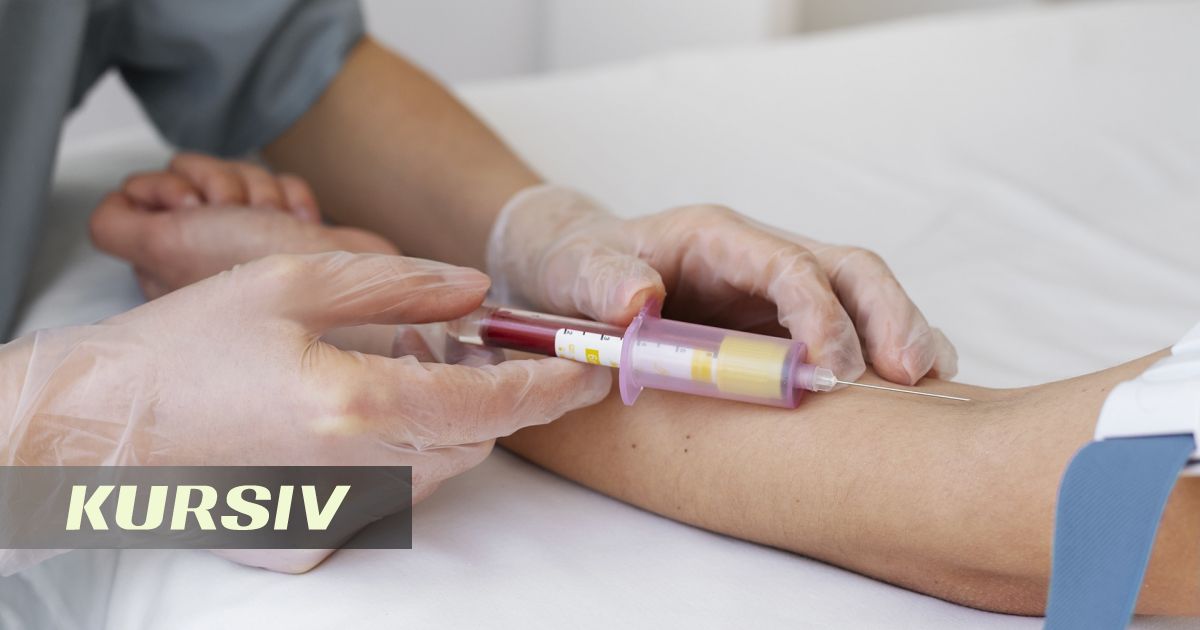
In Kazakhstan, more than 200,000 people donate blood and its components annually, helping to save lives across the country. This was reported by Qazaqyia.kz citing Kursiv Media.
Ahead of World Blood Donor Day, celebrated on June 14, the Ministry of Health of Kazakhstan noted that the highest number of donors is registered in Astana, Almaty, and Shymkent. This may be due to higher demand for donor blood in large cities because of population size and volume of medical care.
In 2025, 255,255 blood and component donations were made in the country. This helps more than 80,000 patients annually. Donor blood is used daily for surgeries, cancer treatment, helping traffic accident victims, patients with severe injuries, and newborns.
How to become a blood donor
Almost any healthy person can become a blood donor in Kazakhstan. Basic requirements: - Age 18 to 60 (some sources say up to 65) - Weight at least 50-60 kg (check with the chosen blood center) - No medical contraindications
Some blood centers specify a minimum weight of 50 kg, others 60 kg. It is best to confirm in advance.
Donor privileges
According to the Republican Blood Center website, donors have privileges: - Free medical examination and health certificate (tests for HIV, hepatitis B and C, syphilis, alanine aminotransferase and hemoglobin levels, blood type and Rh factor) - On the day of donation, the employer must release the employee from work with average pay or provide an additional day off - After the procedure, the donor receives free meals or compensation of 0.25 MCI (just over 1,000 tenge)
Preparation for blood donation
Before the procedure, it is recommended to avoid: - Fatty, fried, spicy foods - Alcohol - Smoking
You must bring an identification document. After the procedure, it is advisable to rest and drink tea.
Blood centers
Blood centers operate in major cities and many regions. You can find the address and contacts of the blood center in your region on the official website of the Astana Scientific and Production Center of Transfusiology. Their page has a table of blood centers by region.
Earlier, Kursiv Health reported on the introduction of the ScanQAN QR identification system for blood in Kazakhstan.