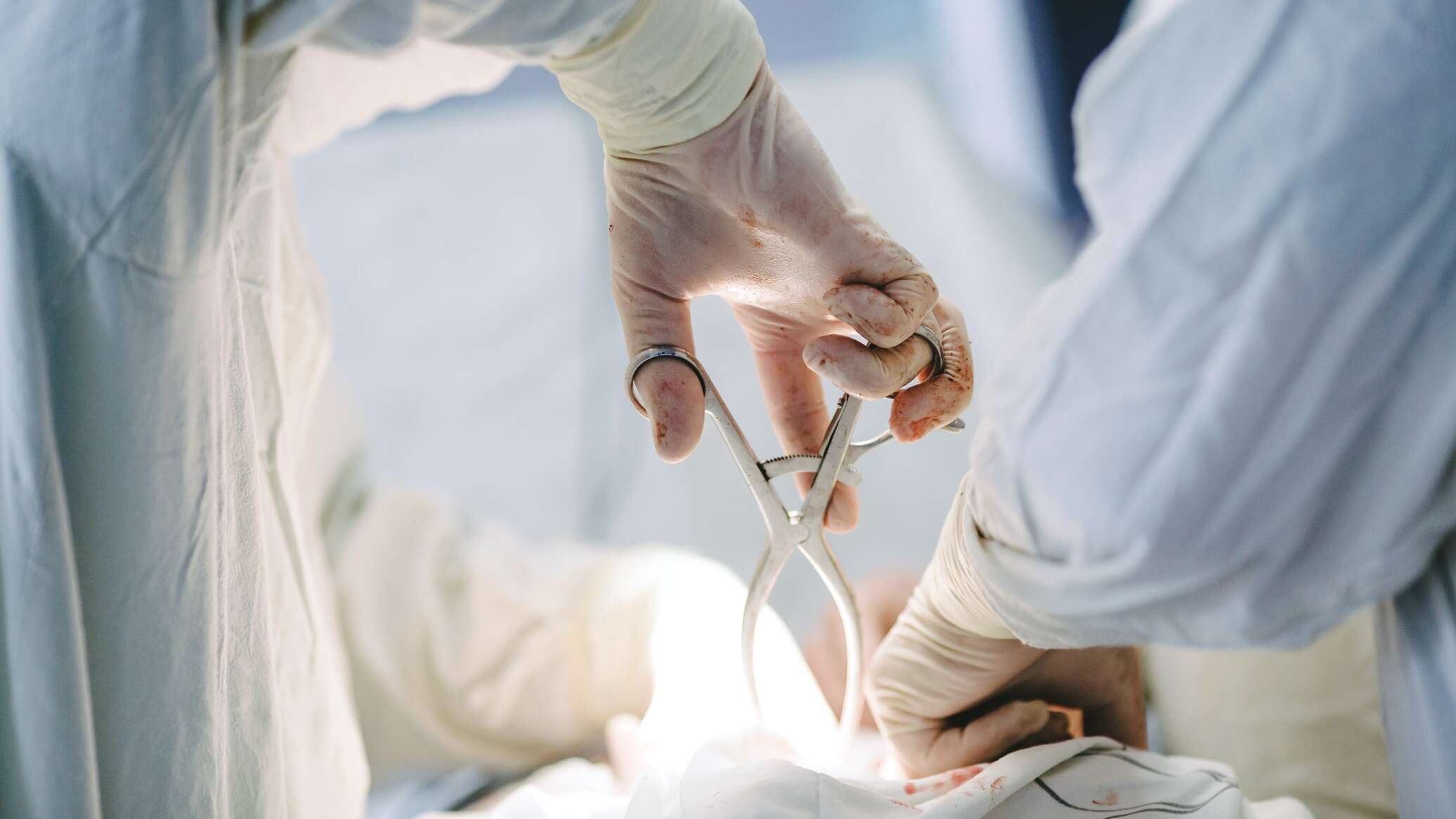
In Kazakhstan, surgical operations are performed annually on approximately 1,500 infants with congenital developmental defects. This was announced at the international scientific-practical conference "Child Health and Development" held in Almaty, according to the Ministry of Health. This was reported by Qazaqyia.kz citing Sputnik Kazakhstan.
The conference was attended by scientists, pediatricians, pediatric surgeons from nine countries, as well as relevant experts from the World Health Organization (WHO). The meeting discussed early detection of childhood diseases, modernization of pediatric services, and continuous training of medical specialists.
Magripa Yembergenova, Director of the Department of Maternal and Child Health of the Ministry of Health, addressed the work being done in the country to develop high-tech medical care.
"Our specific goal is to make any type of high-tech medical care accessible within the country. Today, our clinics use 'Gamma Knife' and proton therapy methods. A hybrid operating complex has also been launched. With its help, complex surgical interventions for brain tumors and vascular pathologies are performed within a single operation," she said.
According to her, there are also results in the field of neonatal surgery. Currently, specialized medical care for infants with congenital developmental defects is available in almost all regions of the country.
In addition, more than 2,000 children receive cardiac surgical care in Kazakhstan annually. 500 children receive hearing implants, and about 700 premature infants undergo treatment for retinopathy of the retina.
As a result of the development of medical infrastructure, over the past three years, the rate of sending children abroad for stem cell transplantation from unrelated donors has decreased threefold. The number of children sent abroad for cardiac surgery has decreased by 5.2 times.
In the future, Kazakhstan plans to introduce radioiodine therapy and launch modern protocols for treating vascular malformations.
"Starting from 2027, it is planned to gradually reduce the number of patients sent abroad for treatment by another 50%. To achieve this, it is necessary to continue equipping clinics with modern equipment, introduce innovative technologies, and consistently train domestic specialists capable of performing operations of any complexity," Magripa Yembergenova concluded.