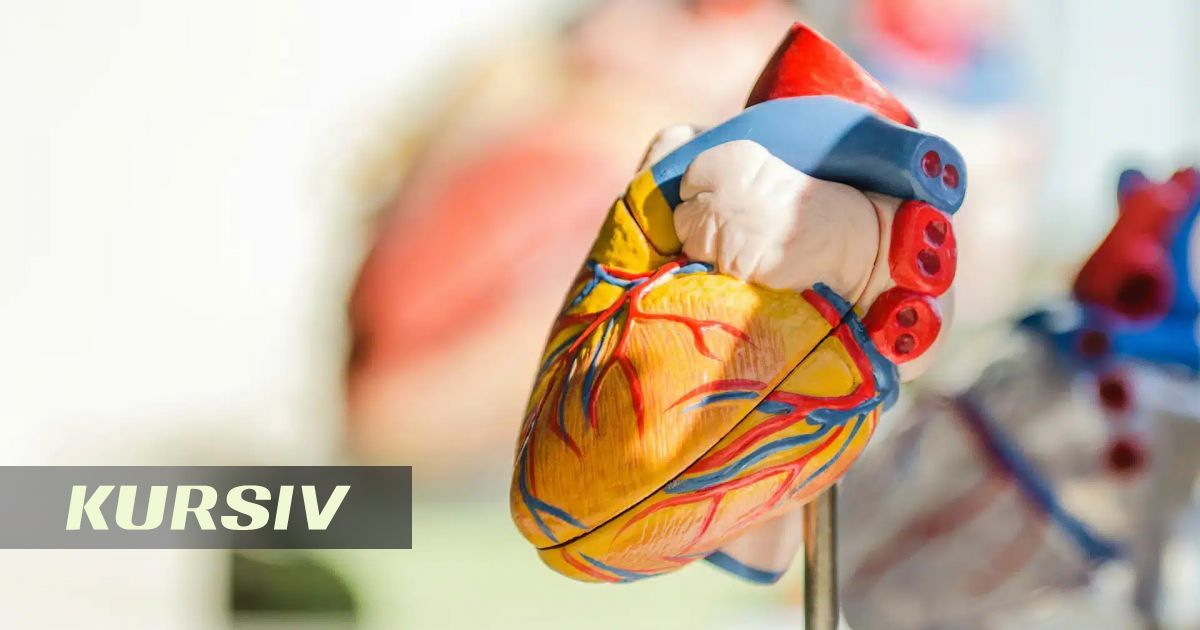
In Kazakhstan, patients have access to complex cardiac surgery procedures, including heart transplantation, LVAD implantation, MitraClip, and other high-tech interventions. This was reported by Qazaqyia.kz citing Kursiv Media.
The XIV conference of the Society of Interventional Cardiologists and Endovascular Surgeons of Kazakhstan is taking place in Almaty. It is attended by specialists from Kazakhstan, Kyrgyzstan, Uzbekistan, Tajikistan, Azerbaijan, European and Asian countries, as well as China.
One of the conference's features was live broadcasts of operations from the Almaty City Cardiology Center. Participants observe interventions in real time, discuss treatment tactics, and choose optimal methods.
The Ministry of Health noted that modern international standards and protocols allow complex interventions to be performed in Kazakhstan within the framework of free medical care.
In Almaty, endovascular interventions and open-heart surgeries are available, including heart transplantation, LVAD implantation, MitraClip, intravascular lithotripsy, and complex coronary interventions.
In the first six months of 2026, 7,454 coronary angiographies and 3,698 coronary interventions were performed in Almaty. The volume of cardiac surgery operations during this period increased by 68%.
In 2025, 13,106 open-heart surgeries were performed in Kazakhstan. The largest share was coronary artery bypass grafting — 46.1%. Another 22.7% of operations were for acquired heart defects, and 13.1% for congenital defects.
According to the Ministry of Health, over the past five years, the incidence of circulatory system diseases in Kazakhstan decreased by 15%, and mortality from them by 35.1%.
In the first five months of 2026, the incidence of ischemic heart disease decreased by 10.1%, acute myocardial infarction by 5.7%, and acute cerebrovascular accidents, including strokes, by 6.1%.
The ministry attributes this dynamics to the development of a network of stroke and cardiology centers, expansion of high-tech medical care, introduction of modern clinical protocols, improvement of emergency services, preventive examinations, and increased availability of medicines.
According to the World Health Organization, circulatory system diseases remain the leading cause of death worldwide. About 19.8 million people die from them annually, accounting for approximately 32% of all deaths.
Earlier, Kursiv reported that scientists discovered the heart's ability to independently form new bypass vessels after a heart attack to restore blood supply to damaged tissues. The study showed that such vessels are predominantly formed from capillaries, and temporary activation of the VEGF-A factor in mice increased the number of functional bypass vessels and improved heart recovery.
If the article causes you anxiety, discuss it with an artificial psychologist.