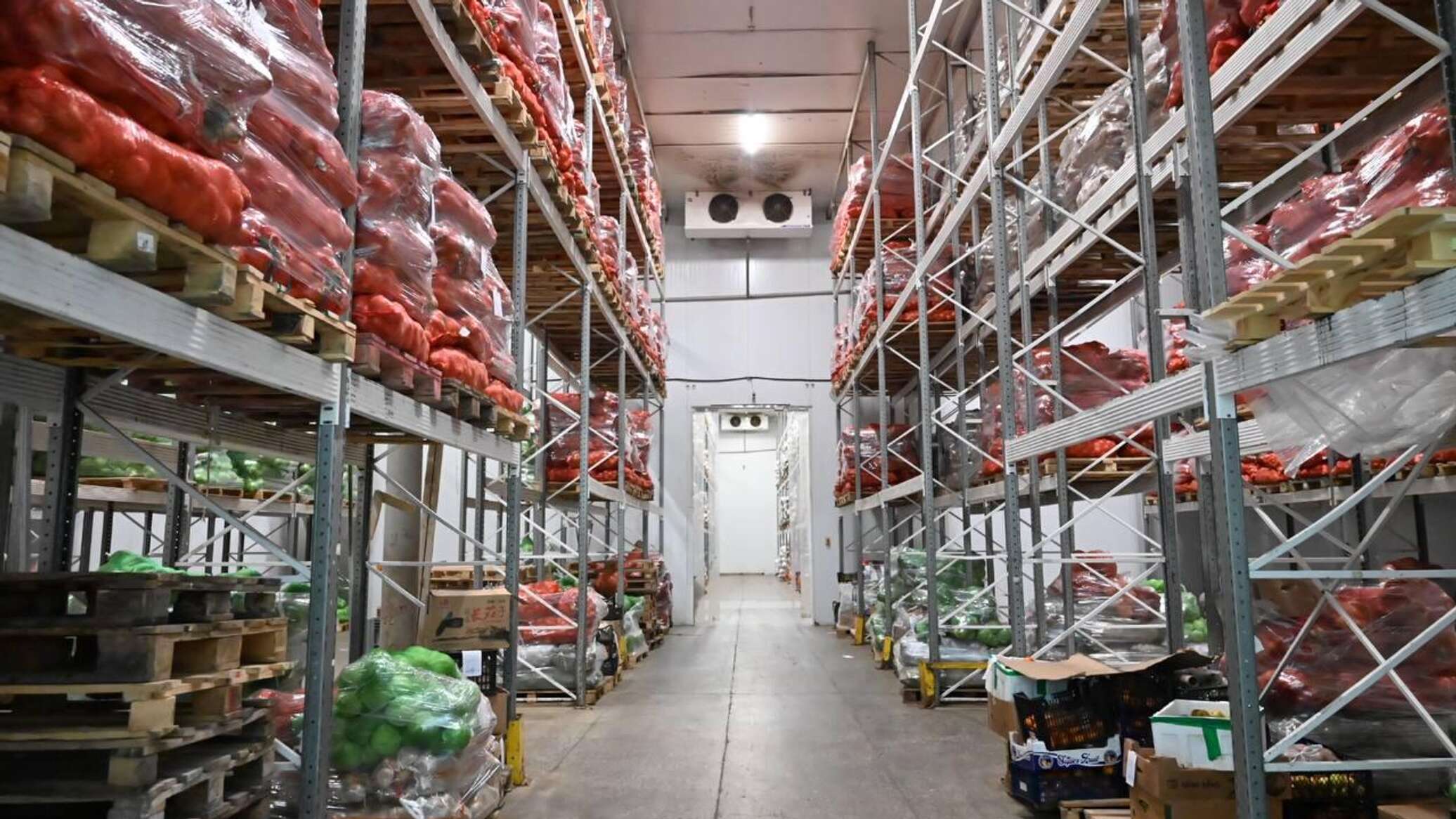
The Ministry of Agriculture reported on the implementation of a comprehensive plan for the construction and modernization of vegetable storage facilities for 2023–2025. This was reported by Qazaqyia.kz citing Sputnik Kazakhstan.
According to the comprehensive plan, 92 projects with a total capacity of 689,900 tonnes were envisaged. However, by the end of 2023–2025, 95 vegetable storage facilities with a total capacity of 745,600 tonnes were commissioned.
In 2025, projects for the construction and modernization of vegetable storage facilities were implemented in 11 regions and the city of Shymkent.
State Support Measures
To further develop the sector, state investment support measures are provided. The state plans to reimburse part of the costs of agribusiness entities for investment contributions.
In this regard, changes were made to the passport of project No. 22 "Construction and expansion of potato and vegetable storage facilities with a capacity of 1,000 tonnes or more." The reimbursement rate for investment costs was increased from 25% to 40–50%.
Depending on the equipment of the facility, the subsidy rate for projects with refrigeration equipment is set at up to 50%, and for projects with ventilation equipment – up to 40%.
Concessional Financing
Under the program to spread the experience of the North Kazakhstan region through social-entrepreneurial corporations, concessional financing for the construction of vegetable storage facilities is provided. Project financing is carried out through a trusted agent at an annual rate of 2.5% for up to 10 years.
Existing Storage Facilities
Kazakhstan has 941 vegetable storage facilities with a total capacity of 2.56 million tonnes. The largest storage capacities are:
- 01In Pavlodar region – 591,500 tonnes;
- 02In Zhambyl region – 375,000 tonnes;
- 03In Karaganda region – 357,800 tonnes;
- 04In Turkistan region – 184,900 tonnes;
- 05In Shymkent – 130,500 tonnes;
- 06In Almaty region – 128,200 tonnes;
- 07In Mangystau region – 105,500 tonnes;
- 08In Akmola region – 104,800 tonnes;
- 09In North Kazakhstan region – 104,800 tonnes.