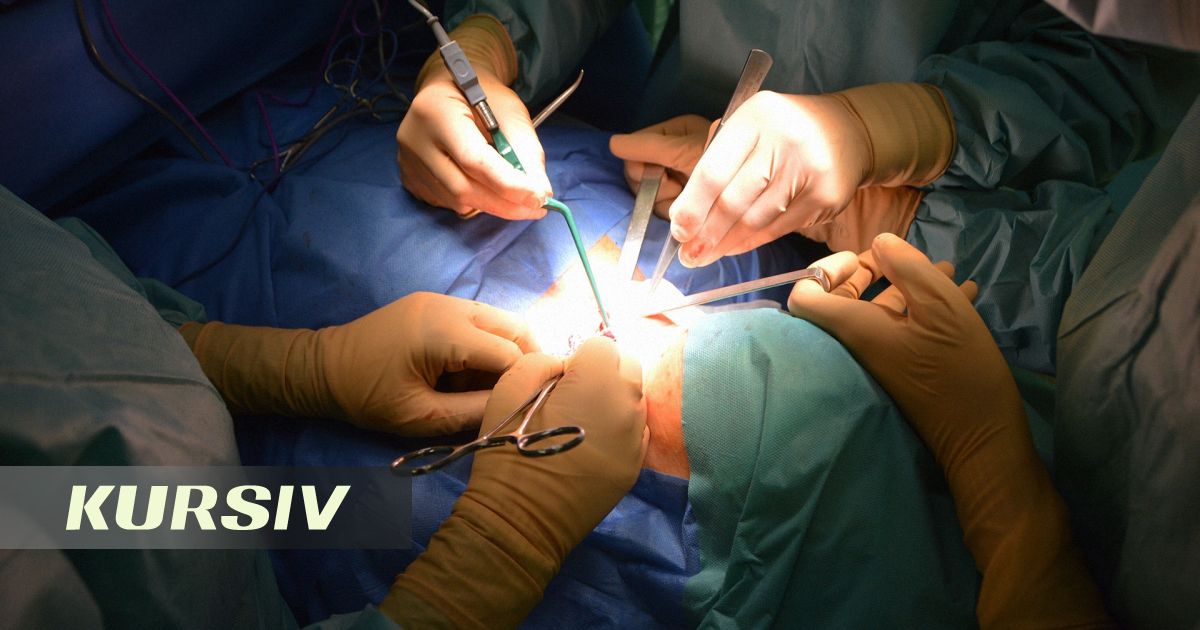
At the Research Institute of Cardiology and Internal Diseases, four patients underwent minimally invasive mitral valve reconstruction, according to the Ministry of Health. This was reported by Qazaqyia.kz citing Kursiv Media.
The mitral valve is located between the left atrium and the left ventricle and allows blood to pass in only one direction.
All patients were in the high surgical risk group, so classic open-heart surgery was contraindicated for them.
The interventions were performed as part of a master class on transcatheter mitral valve reconstruction using the edge-to-edge (TEER) method.
During TEER, doctors do not open the chest and do not use artificial circulation. A thin catheter is passed through the femoral vein into the heart, delivering a special clip to the mitral valve. It connects the anterior and posterior leaflets of the valve and reduces the backflow of blood. Previously, surgeries using this technology had already been performed at the Research Institute of Cardiology and Internal Diseases.
“The peculiarity of the operation is that it is performed under ultrasound control of the heart without contrast injection. Using transesophageal ultrasound, we look at the structure of the heart in more detail. A 3D image of the mitral valve is also used, and under its control the clip is installed in the right place,” said Akzhan Konysbekova, head of the Department of Functional and Ultrasound Diagnostics at the Research Institute of Cardiology and Internal Diseases.
According to Aleksey Yevgenyevich, head of the X-ray endovascular operating unit at the Research Institute of Cardiology and Internal Diseases, after such an intervention patients recover quickly and can get out of bed the very next day.
As part of the master class, specialists also discussed the use of the new DragonFly transcatheter mitral valve reconstruction system. Academician of the Chinese Academy of Sciences, Professor Wang Jian’an presented the experience of its development and clinical application.
Together with foreign experts, Kazakh cardiologists discussed the technical features of the procedure and selected patients for the interventions.
Find out what happens to the heart if you spend the night in bright light in a Kursiv Health article.
If the article causes you anxiety, discuss it with an artificial psychologist.