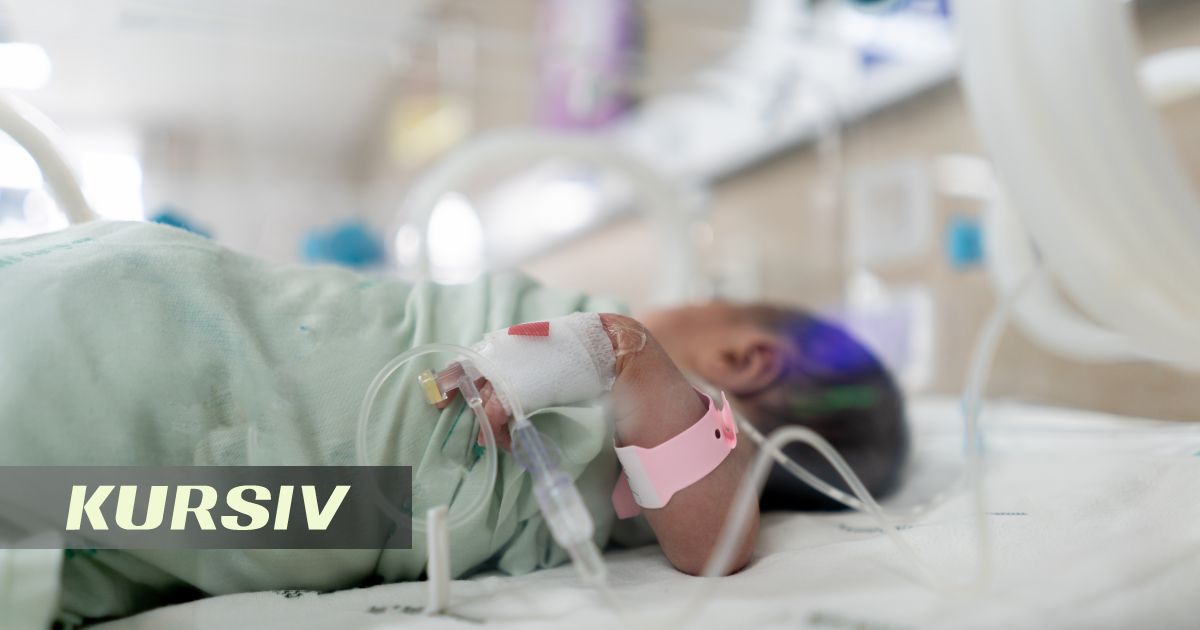
In Kazakhstan, about 1,500 newborns receive surgical treatment every year, with 40% of interventions performed using the endovideosurgical method — with minimal trauma. This was reported by the Ministry of Health following the International Scientific and Practical Conference "Health and Development of the Child" in Almaty. This was reported by Qazaqyia.kz citing Kursiv Media.
Specialized care in the regions
Specialized care for infants with developmental defects is available in almost every region, said Magripa Yembergenova, director of the Department of Maternal and Child Health Protection of the Ministry of Health.
In addition, more than 2,000 children receive cardiac surgery assistance annually, and 500 receive hearing implants. Another 700 premature babies undergo retinopathy correction.
High-tech treatment within the country
According to Yembergenova, the ministry intends to expand the availability of high-tech treatment within the country.
"We set ourselves a clear goal — to make any high-tech care available within the country. Today, our clinics already use the Gamma Knife and proton therapy, and a hybrid operating complex has been launched: complex surgical interventions for brain tumors and vascular pathologies are performed in a single operation," she said.
The Ministry of Health's near-term plans include launching radioiodine therapy and introducing modern protocols for treating vascular malformations.
Reduction of referrals abroad
According to the ministry, over three years the number of referrals of children abroad for stem cell transplantation from unrelated donors has decreased threefold, and for cardiac surgery — by 5.2 times.
"Starting from 2027, it is planned to gradually reduce by another 50% the flow of patients sent abroad for treatment. This will be achieved through further equipping of clinics, transfer of innovations and continuous training of domestic specialists capable of performing operations of any complexity," Yembergenova said.
International conference
The conference in Almaty brought together scientists, pediatricians, pediatric surgeons and relevant WHO experts from nine countries, including the UK, Austria, Denmark, Israel and Belarus. Participants discussed international standards for early disease detection, changes in the work of pediatric services and continuous training of specialists.
Earlier, Kursiv wrote that in Almaty, Kazakh and Russian surgeons performed joint minimally invasive operations on children with severe congenital pathologies of the chest and abdominal cavity. More than 150 surgeons from across the country participated in the master class in person and online — the training is aimed at introducing such interventions in the regions.