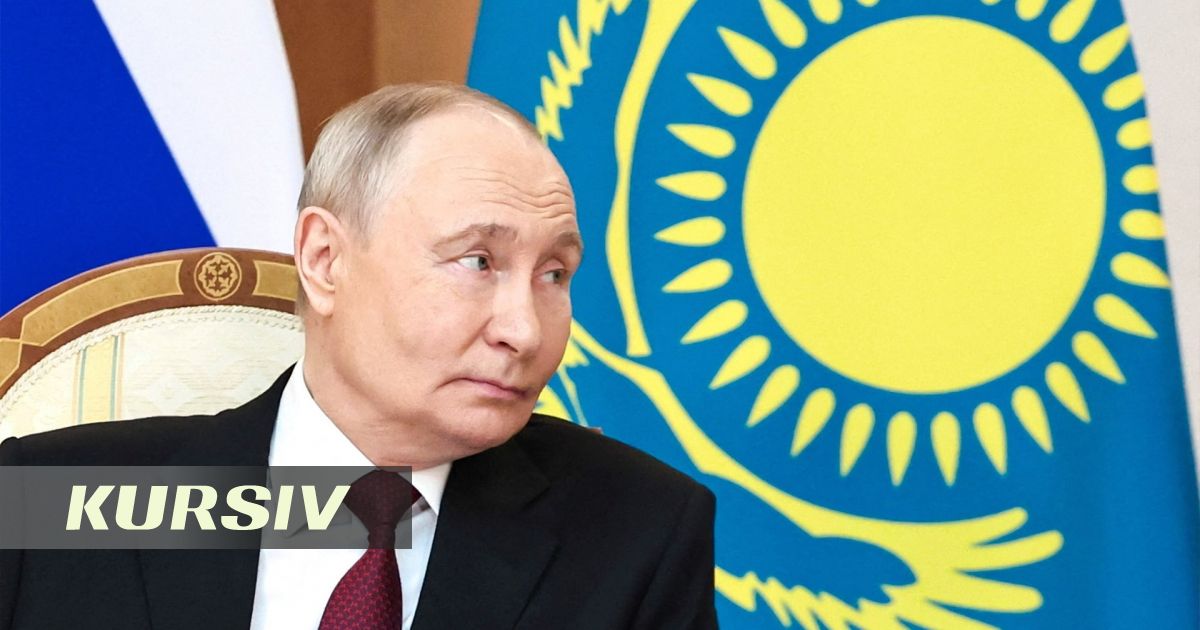
The worsening economic situation in Russia is becoming an additional risk factor for Kazakhstan. This was stated by financier Arman Batayev, commenting on the sharp fall of the Russian stock market, budget problems, and increased sanctions pressure. This was reported by Qazaqyia.kz citing Kursiv Media.
According to him, the consequences for Kazakhstan may manifest through several channels – imports, logistics, prices, and competition. The reason for new concerns was a sharp decline in the Moscow Exchange index.
At the beginning of the week, the Russian stock market continued to decline. The Moscow Exchange index opened below 2300 points, updating lows since March 2023. In just one day, the drop was 4.23%, and since the beginning of the year, the market has lost 16.5%.
According to Batayev, pressure on the Russian market is currently formed by several factors. Among them are the worsening geopolitical situation, attacks on fuel infrastructure, new sanctions restrictions, and tighter monetary policy.
An additional trigger was the latest decision of the Bank of Russia. On June 19, the regulator cut the key rate for the ninth time in a row, but only by 0.25 percentage points – to 14.25%.
The market expected a more aggressive step, but the Central Bank of Russia took a cautious stance. Bank of Russia Governor Elvira Nabiullina explained this by increased inflationary risks and a softer budget policy that could accelerate money supply growth.
Another serious signal for the market was the growth of Russia's federal budget deficit. In the first five months of 2026, it reached 6 trillion rubles, equivalent to 2.6% of GDP.
Against the backdrop of sanctions pressure and strikes on fuel infrastructure, this increases pressure on the Russian economy.
For Kazakhstan, this factor is of particular importance. Russia remains the largest supplier of goods to the Kazakh market, so any disruptions in the Russian economy quickly affect neighboring countries.
According to Batayev, problems with fuel, sanctions, and the budget can increase costs and create additional inflationary risks for Kazakhstan. This applies both to the cost of supplies and the overall stability of logistics chains.
Partially, this pressure can be offset by the weakening of the ruble. A weaker Russian currency makes imports from Russia cheaper, which can restrain price growth within Kazakhstan. However, there is also a reverse effect.
Cheaper Russian goods increase competition and put pressure on Kazakh producers, making it harder for them to maintain positions in the domestic market. This is especially sensitive for the processing industry and retail trade.
Against this background, Batayev notes, the National Bank of Kazakhstan will be forced to remain cautious. Inflation in the country is still double-digit, and the external environment is unstable. Therefore, the room for a rapid reduction of the base rate in Kazakhstan remains limited.
In other words, problems in the Russian economy can slow down not only Russia itself but also affect the pace of monetary policy easing in Kazakhstan.
Earlier, the Unified Accumulative Pension Fund explained why they raised the minimum sufficiency thresholds. According to analysts, the previously existing thresholds lagged behind inflation growth and did not ensure the adequacy of future pensions.
Why expensive oil will no longer save the tenge: read here.