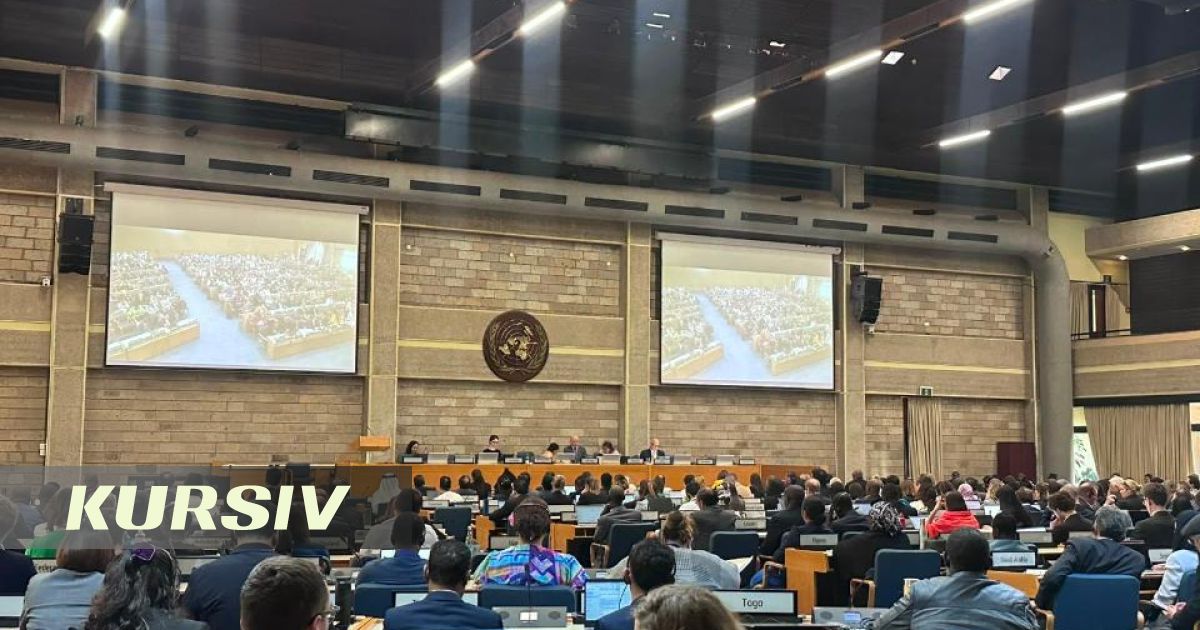
Kazakhstan has presented its approaches to a future international agreement to combat plastic pollution, the Ministry of Ecology and Natural Resources reported. This was reported by Qazaqyia.kz citing Kursiv Media.
From June 30 to July 3, 2026, an informal meeting of heads of delegations of states participating in the Intergovernmental Negotiating Committee to develop an international legally binding agreement on plastic pollution was held at the UN office in Nairobi, Kenya.
The event was attended by a delegation of Kazakhstan led by Vice Minister of Ecology and Natural Resources Zhomart Aliyev. The Kazakh side presented national approaches on key elements of the future international agreement and participated in discussions on possible ways to bring the positions of states closer.
The Ministry of Ecology noted that the meeting gained particular importance due to the new format of work proposed by the Chair of the Intergovernmental Negotiating Committee, elected in February 2026. Unlike the traditional negotiation process, the discussions were held in an informal format. They were aimed not at agreeing on the text of the document, but at an open exchange of views, identifying converging positions, and finding possible compromise solutions on the most complex issues of the future agreement.
Based on the results of the discussions, a reference document will be prepared. It will summarize the proposals and positions of states. This document will become the basis for further informal consultations in September 2026, as well as preparation for the resumed fifth session of the Intergovernmental Negotiating Committee — INC-5.2. It is tentatively planned to be held in March 2027.
The ministry reported that Kazakhstan will continue to participate in the negotiation process and advocates for the development of an effective and balanced international agreement to combat plastic pollution.
Earlier, Kursiv reported that Kazakhstan approved the implementation of 68 projects with a total value of nearly 374 billion tenge, within the framework of which waste processing and sorting enterprises will be built and modernized, as well as special equipment will be purchased.