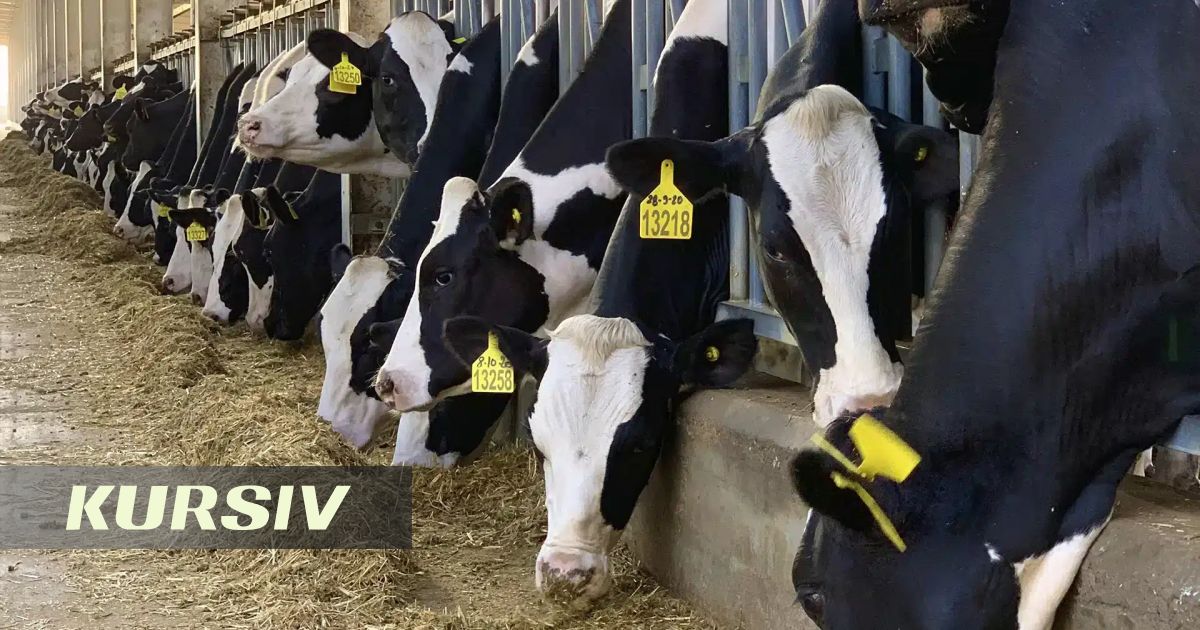
Kazakhstan has allocated 80 billion tenge to purchase 40,000 head of cattle and 20,000 head of small ruminants under the Comprehensive Livestock Development Plan for 2026-2030. Since the beginning of 2026, 7,234 head of cattle have already been imported from non-CIS countries, the Ministry of Agriculture reported. This was reported by Qazaqyia.kz citing Kursiv Media.
The renewal of breeding stock is aimed at improving the genetic potential of the herd, increasing animal productivity, boosting milk and meat production, and enhancing the efficiency of agricultural enterprises.
Deliveries to Turkestan Region
The Asia Milk commercial dairy farm in Turkestan Region received another batch of 165 Holstein animals from Denmark. Taking into account the previous delivery, the farm has imported 330 head from that country.
Earlier, another 165 Holstein animals from Denmark were delivered to the Mailiken Farm and the same number to the Dar Organik farm.
Project in North Kazakhstan Region
In North Kazakhstan Region, the dairy complex of Budennoye SK LLP received 165 Holstein heifers from Germany. This is the fifth delivery to the farm, bringing the total herd to 825 head. In total, the enterprise plans to import 1,200 animals.
Construction of the complex was completed in autumn 2025. Then phased herd formation and the launch of production processes began. The first animals arrived in 2026, and in March the farm received its first calves. After deliveries are completed, the farm will be fully stocked with imported livestock.
Farm in East Kazakhstan Region
In East Kazakhstan Region, the Moyyldy-Baikonur LLP dairy farm received 224 Holstein heifers from Perm Krai in Russia.
The farm is designed for 1,075 head of cattle. The enterprise has modern equipment, the necessary agricultural machinery, and its own feed base. It has more than 4,500 hectares of arable land to provide animals with feed.
Ministry data
According to the Ministry of Agriculture, the envisaged measures should help farms consistently renew their herds, increase animal productivity, and expand production capacity.
Earlier, Kursiv wrote that the Ministry of Agriculture sees no grounds for a sharp rise in beef prices. According to Vice Minister Nazgul Khatepova, the domestic market is fully supplied by its own production: last year the country produced 434,000 tonnes of beef. The average price at the time of the statement was about 3,800 tenge per kilogram.