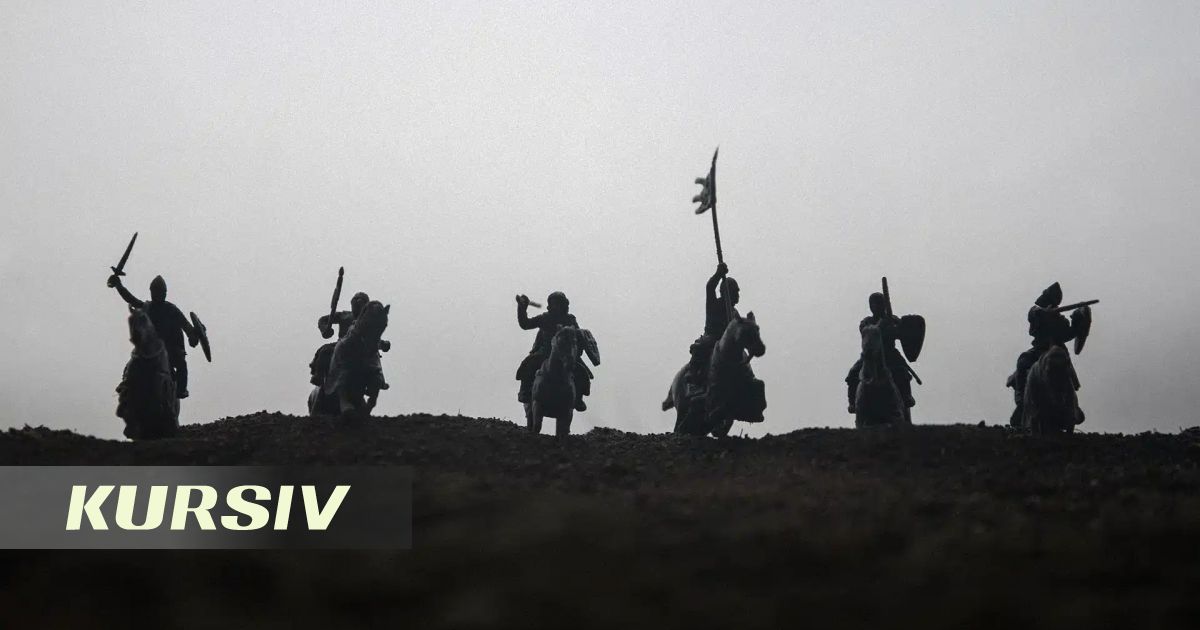
The suppliers of the best equipment and weaponry for the Kazakh elite in the 17th and 18th centuries were Bukhara, Kokand, and Khiva. This was reported by Qazaqyia.kz citing Kursiv Media.
Doctor of Historical Sciences, Professor Leonid Bobrov stated this in a podcast by Kazakh historian Zhaksylyk Sabitov. The expert noted that the specifics of the Kazakh weaponry complex can only be considered in a broad historical context. According to him, in the 17th and 18th centuries, there were two major centers of arms production in the region.
"In Dzungaria, arms enterprises with their own iron mining and mass production, including firearms, were launched. There is a developed craft center in the south, in Maverannahr, in the Uzbek states of Western Turkestan," Bobrov noted.
The historian added that Kazakh batyrs had a hard time: both in the east and in the south they had to face armored cavalry. However, wealthy warriors, elders, heads of clans and tribes, as well as the highest Chingizid nobility, could afford to purchase the best examples of weapons.
"In Central Asia, we have a whole series of luxuriously decorated weaponry items that belonged to the Kazakh elite but were made by the best craftsmen of Bukhara, Kokand, Khiva, and other cities," he concluded.
Earlier, historians said that the ancestors of modern Kazakhs were part of Emir Timur's army.
Historical Context of Kazakh Weaponry
According to Leonid Bobrov, when studying the Kazakh weaponry complex, it is necessary to take into account the political and military situation in the region. In the 17th century, the Kazakh steppe was surrounded by various adversaries: the Dzungars in the east and the Central Asian khanates in the south. This influenced the choice of weapons by Kazakh warriors.
Arms production in Dzungaria was at a high level. Iron was mined there, and weapons, including firearms, were mass-produced, providing the Dzungar army with modern armament. In the south, in Maverannahr, craft traditions were strong, and the masters of Bukhara, Kokand, and Khiva were famous for the quality of their products.
For the Kazakh elite, weapons were not only a military tool but also a status symbol. Luxuriously decorated swords, armor, and helmets served as symbols of power and wealth. Wealthy warriors and clan leaders could order individual weapons, which emphasized their personal qualities.
Features of Kazakh Batyrs' Armament
The armament of Kazakh batyrs was diverse: they used bows, spears, swords, daggers, and firearms. The protective equipment included chain mail, helmets, and shields. The combat skills of Kazakh warriors were highly valued, and their weapons were often supplemented with trophies captured from enemies.
According to Bobrov, the weaponry of the Kazakh elite was among the best examples created in Central Asia. This indicates the high status of Kazakh khans and batyrs and their desire for quality weapons.
Significance of Weaponry in Kazakhstan's History
The history of weaponry is an important part of understanding the military traditions of the Kazakh people. In legends and epics about the exploits of Kazakh batyrs, their weapons and combat skills are often described. Studying the centers of arms production helps reveal the connections of the Kazakh steppe with neighboring states.
Leonid Bobrov's research allows determining the place of the Kazakh weaponry complex in the regional and international context. In his opinion, the weaponry of the Kazakh elite was an integral part of Central Asian arms art and contributed to its development.
This topic occupies an important place in Kazakh historiography and requires further study. Historians continue to research the armament of Kazakh warriors, which allows a fuller understanding of the military heritage of the Kazakh people.