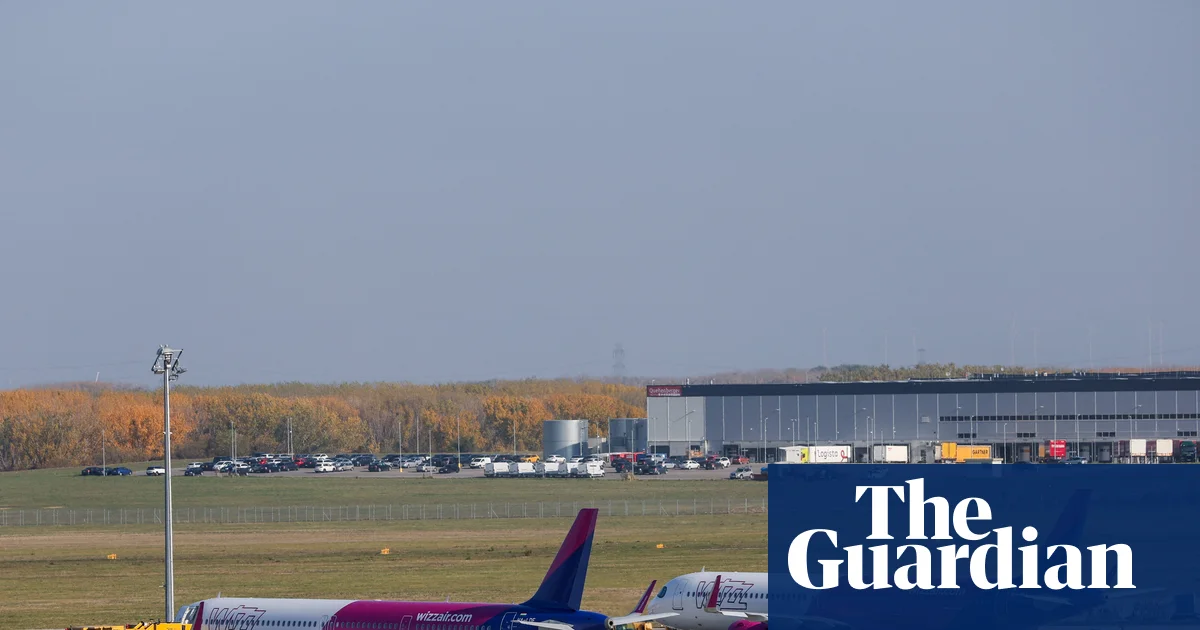
Flights were diverted across Europe last week as hoax bomb threats came in thick and fast. A malign cyber-attack targeted supermarket fridges in Belgium, Sweden and the UK, and – in a sickening escalation – the cold storage facilities of France’s national blood service. This was reported by Qazaqyia.kz citing The Guardian.
The actors behind this week of chaos and disruption – be they hostile states, criminal gangs or even enterprising teenagers – are yet to be identified. But what is certain is that they operate in a context of deepening global conflicts, building national threat and an accompanying, pervasive sense of vulnerability.
What is the grey zone?
The grey zone is the ambiguous space between routine peace and conventional military conflict, where proxies duck state accountability and cyber-tactics are developing at an alarming rate.
The Guardian’s defence and security editor Dan Sabbagh and the global technology team spoke about flights, fridges and why “keep calm and carry on” is more than a tote bag slogan.
Hoax bomb threats
At least 25 different commercial flights across Europe were disrupted yesterday by hoax bomb threats, with some forced to make emergency landings. On Tuesday, seven planes were searched or diverted after similar malicious alerts.
According to investigators, there is so far no suggestion of orchestration by a hostile terror group or state actor, although investigations continue. It is perfectly possible that this could be the work of some lone disruptors, says Dan, who reminds that “airlines receive bomb threats on a daily basis, at a rate that we would find extraordinary if we knew”. Nonetheless, aviation experts told the Guardian on Thursday that the fact airlines are treating these threats as credible suggests a potential level of coordination.
These threats take place with aviation security under sharper scrutiny after the flydubai incident, when a pilot fought off his knife-wielding colleague in an apparent attempt to crash a full passenger flight heading for Tel Aviv.
The changing face of terrorism
Twenty-five years on from the inception of the War on Terror, when Islamist terrorism has receded relative to hostile state threats, “we’re living in a different world with familiar uncertainties, but attributed to different players,” Dan says.
Conflicts in Ukraine and the Middle East are reverberating closer to home. Since 2022, we have witnessed intensifying acts of sabotage on European states that are believed to trace back to Russia but deliberately fall below the threshold for military response – a so-called hybrid or “shadow war” with the singular purpose of disrupting support for Ukraine.
Only two months ago, an alleged attack plot on RAF Fairford was organised by a handler police believe was working on behalf of Iran.
Meanwhile, tech expert Azeem Azhar warned recently that the internet is experiencing its own Wuhan moment, as AI enables bad actors to hunt for system flaws and spread them, mirroring the early days of the Covid pandemic.
“Terrorism doesn’t have to be violent to terrorise,” says Dan. “The purpose of terrorism is to scare.”
Attacks on fridges
Supermarket fridges and freezers in seven European countries malfunctioned earlier this week, their thermostats remotely cranked up in some cases to 50C, in what some fear indicates a new front in hacking tactics.
Similar incidents have been reported in the UK. The Guardian’s global technology editor Dan Milmo spoke about this on his way back from interviewing a fruit and veg wholesaler based near Heathrow, whose fridges went on the blink on Monday. The experience has prompted him to add some tinned goods to his weekend shopping list.
“There are only ever two likely candidates for a hack: criminal gangs or nation states,” Dan says. He adds an emerging tertiary category of “troublesome teenagers”, such as the loose collective of English-speaking hackers Scattered Spider, two of whom were jailed in July for their attack on Transport for London.
One cybersecurity researcher told Dan that attacks on dummy Danfoss fridge controls – one of the software systems also targeted by the hackers in mainland Europe – had “all the hallmarks” of operations linked to Russia.