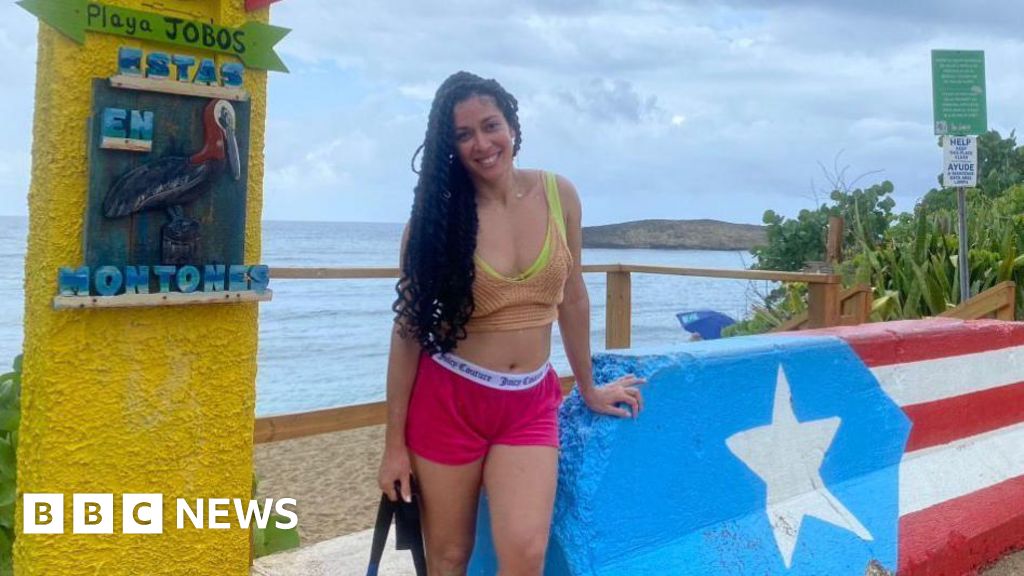
"First time in San Juan, mi hijo. Capital of Puerto Rico…" These lyrics have been sung and danced to by a large part of the internet over the past few weeks, with the red, white, and blue Puerto Rican flag emoji sprinkled across captions. This was reported by Qazaqyia.kz citing BBC News.
The catchy tune was created by internet personality and comic Bill Stiteler, known as Saxboy Billy, who used AI music platform Suno to turn his lyrics into a song. Since the original post, the song has garnered over a million views on TikTok, with celebrities including Mila Kunis, Charlie Puth, and Jennifer Love Hewitt making their own lip-sync videos.
How do Puerto Ricans feel about their homeland becoming a viral hit? Maria Mercedes Grubb, a chef in San Juan, says: "To see the song being played by people who aren't Puerto Rican is amazing. It feels like we're on the map. Even the sentence about people clapping when the plane lands — that's so Puerto Rico!"
The lyrics reference Puerto Rico as a wild vacation spot, a Barack Obama statue, and slot machines at the bus station. Some are disappointed by the lack of human influence, but Mercedes Grubb finds authenticity: "You can tell that there was genuine input about things that matter to the island. He used AI in such a clever way."
Song creator Stiteler, originally from Pittsburgh, Pennsylvania, told the BBC he has always appreciated Puerto Rican culture. He said that during his trip to the island, "everything clicked."
Puerto Rico is a small island in the northeastern Caribbean Sea with a population of about 3.2 million. Spanish and English are the official languages, and it is a self-governing unincorporated territory of the United States.
Podcaster Debbie Perez, who hosts the Boriken podcast, is glad the song opens doors for deeper conversations: "I'm glad the song has opened the door to have more nuanced conversations about Puerto Rico. The creator appreciated our culture. He said he would love to collaborate with Puerto Rican artists."
When discussing social issues, both Perez and Mercedes Grubb mention Bad Bunny's impact. Mercedes Grubb says: "You cannot talk about Puerto Rico without talking about Bad Bunny. Whether you like his music or not, he's doing so much for the island." His concerts boosted tourism, bringing an estimated $200 million into the economy.
However, Perez notes that the song doesn't show the full story: "We have to be careful that love for Puerto Rico doesn't become consumption. Bad Bunny highlights the history and struggle of Puerto Ricans, people fighting for the land and beaches, and environmental protections. We have power outages, for example, so it's important to further the conversation."
Puerto Rico's power outages have been well documented. After Hurricane Maria devastated the US territory in 2017, the electricity grid still lacks generating capacity. Between 2021 and 2024, Puerto Ricans experienced an average of 27 hours of power outages per year. Bad Bunny's protest song El Apagón has been praised for highlighting the blackouts, and his Super Bowl performance atop utility poles with sparks and flickering power lines drew global attention.