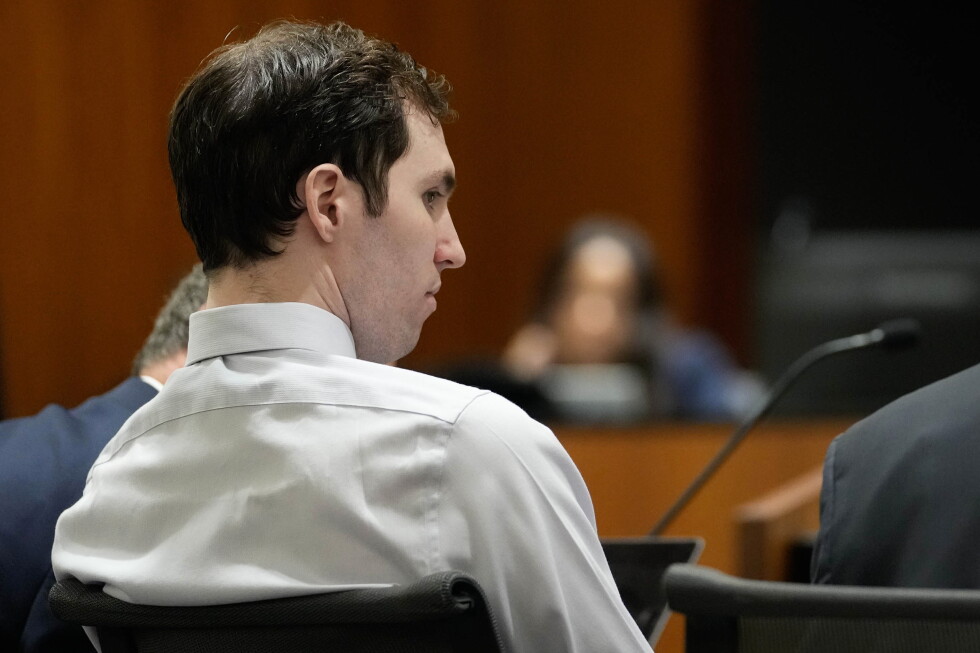
SALT LAKE CITY (AP) — Prosecutors in Charlie Kirk's killing pointed Tuesday to an engraved bullet, arguing that the inscription "Hey Facist! CATCH!" demonstrates that Kirk was targeted for how the defendant perceived his politics. This was reported by Qazaqyia.kz citing Associated Press.
Whether defendant Tyler Robinson acted out of political animus could be key for prosecutors seeking the death penalty — or for his attorneys in taking that punishment off the table.
The prosecution and defense have filed dueling documents focused on whether the crime included aggravating factors that would make Robinson eligible for the death penalty if convicted. Those include political targeting and whether the shooting endangered thousands of others who attended Kirk's Sept. 10 event at Utah Valley University.
Robinson is charged with crimes including aggravated murder and has not yet entered a plea. The 23-year-old defendant turned himself in a day after the shooting.
The latest batch of court documents follows a five-day preliminary hearing in July, when prosecutors presented what they said was "overwhelming" evidence against Robinson, while defense attorneys worked to sow doubt about analysts' findings.
Judge Tony Graf said he will decide if the case should advance to trial after he hears again from both sides on Sept. 1.
In a document filed late Tuesday, prosecutors argued the engraved bullet found in the suspected murder weapon was an "overt political reference." They also noted that Robinson allegedly wrote in a text message about Kirk: "I had enough of his hatred. Some hate can't be negotiated out."
Robinson's attorneys have argued that the text message is not strong enough evidence to prove a political motivation. They did not immediately respond to a request for comment on prosecutors' new filing.
Before his death, Kirk and the organization he co-founded, Turning Point USA, galvanized the conservative youth vote to help President Donald Trump win a second term.
Prosecutors contend that Kirk's opposition to same-sex marriage and gender-affirming care stood in sharp contrast to Robinson, who wa