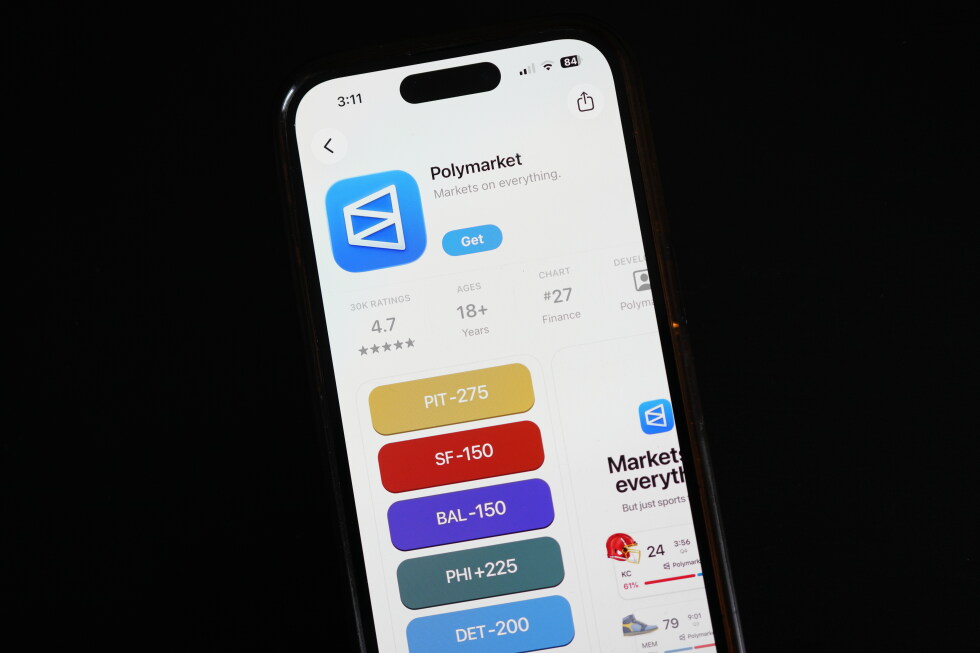
After four years in exile, the prediction market platform Polymarket has begun a well-funded campaign to sell a new version of itself to the American public. This was reported by Qazaqyia.kz citing Associated Press.
The company is trying to convince policymakers, regulators, the public and prospective customers that the business it is building onshore is a more disciplined operation than the freewheeling offshore exchange. Polymarket has hired social media influencers to produce viral marketing on TikTok and other platforms. Its account on X, formerly known as Twitter, is now followed by millions and posts about current events throughout the day. It has signed partnership deals with major sports teams and Major League Baseball, as well as news organizations ranging from CNBC to CNN.
Polymarket was pushed offshore in 2022 after settling federal charges that it operated an unregistered derivatives market. But Americans have regularly found ways around the prohibition, and the offshore business faced criticism over allegations of insider trading and allowing wagers tied to war and other violence. Polymarket began operating again in the U.S. at the end of 2025 after buying the derivatives exchange QCEX. Executives say the U.S. exchange is walled off from the international platform, and they have hired a slate of compliance, surveillance and regulatory specialists in recent weeks to keep it that way.
Dan Lee, head of U.S. operations at Polymarket, said: "Trust is the product we are building here." Lee started with Polymarket in February from Coinbase. Among the hires, the company added Megan McGrath from Robinhood as its new chief compliance officer. It also hired former Department of Justice and FBI officials as the platform's head of enforcement and new surveillance head. Both Polymarket International and Polymarket U.S. provide the same service: trading on the likelihood of events, such as weather, sports, politics or news. But the underlying structures differ. Polymarket's international platform is built on blockchain technology and requires users to trade with cryptocurrency, while Polymarket U.S. operates through a more centralized, CFTC-regulated structure funded with traditional U.S. dollars.
Todd Phillips, who has written extensively on prediction markets at the Roosevelt Institute, said: "Polymarket U.S. is supposed to comply with U.S. law and regulations. Polymarket international is where anything goes." The stakes are high for Polymarket. Between its departure in 2022 and return six months ago, the prediction market industry has changed and grown in popularity. The trading volume across the platforms for Polymarket and rival Kalshi is now $26.6 billion, according to blockchain analytics firm Dune. That's up from $9.75 billion in volume across the platforms in October last year. About two-thirds of that activity is on Kalshi, which dominates the U.S. market on the strength of sports wagering. Kalshi was valued at $22 billion in its most recent funding round.