The Australian government is considering giving AI companies access to Australian creatives' works by default. This was reported by Qazaqyia.kz citing The Guardian.
The proposals were revealed as senior personnel from OpenAI, the creator of ChatGPT, met with Labor ministers and warned Australia's copyright laws were preventing the company training models locally.
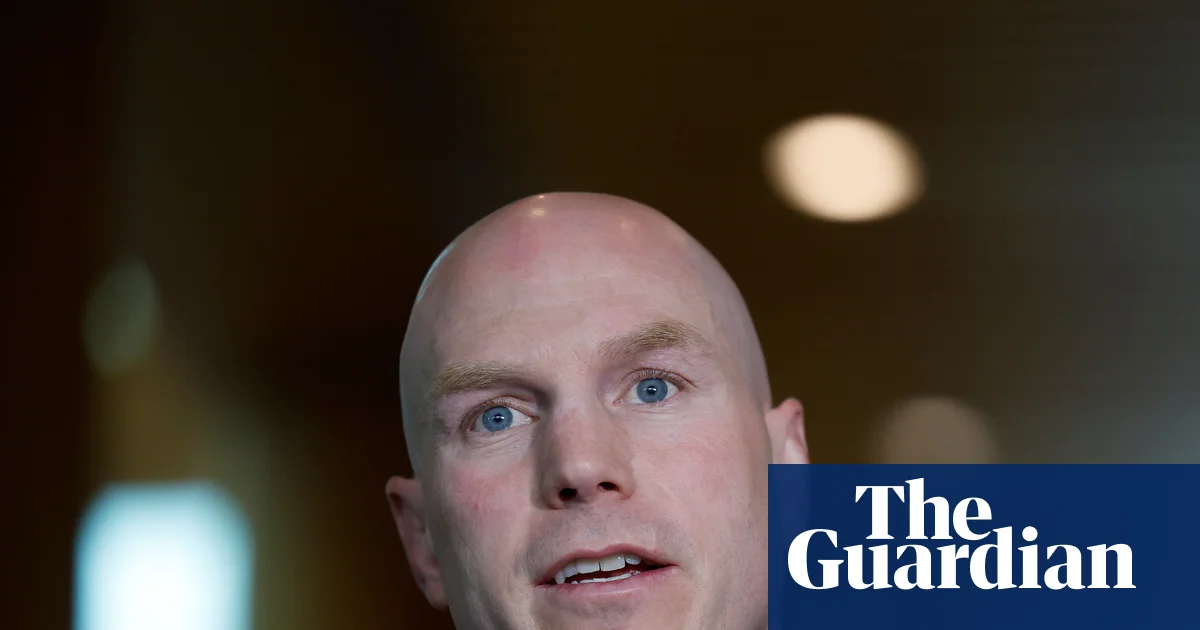
Independent senator David Pocock said the compromise would throw protections for creatives and copyright holders "under the bus" in pursuit of datacentre funding.
"It would mean putting AI companies' interests over everyday Australians, giving AI companies access to all Australians' content, unless they opt out," Pocock said on Tuesday.
"The burden should not fall on Australians to defend the rights they already hold over content they create and own and invest in."
The proposals were contained in a document Pocock described as screenshots of government's consultation proposals, tabled in the Senate on Tuesday and titled "AI on Australian Terms".
AI companies have sought to train their models on content and data online but cannot do so with Australian content due to local copyright rules.
The document raises as a key issue the vast number of small individual creators of online content, for which voluntary deals with AI companies "is not realistic/possible".
It suggests requiring rights holders "digitally protect" their material if they do not want AI models trained on it – a proposal rightsholders say is not feasible.
Under one option it proposes, AI companies would gain the right to access and train models on any unprotected online material as long as they made deals with enough businesses.
Under another, AI companies would do deals with creatives' rightsholder organisations that give the access rights even if the content was made by someone who was not a member of the organisation that won the deal. A licence to access one category of material, such as music or text, would be extended to cover the many different small creators within that industry.
Labor's industry minister, Tim Ayres, had on Monday said the government's forthcoming AI rules would "in no way" involve a reduction in copyright protection.
The deputy prime minister Richard Marles, said the federal government was "working at a pace" to respond to the issue of copyright, and maintained the opportunity to work with American tech giants was a "significant moment for the country".
"The opportunity for Australia economically is enormous in collaborating with frontier companies … and having frontier training occur in Australia," he told the ABC's 7.30 program on Tuesday evening.
"We want to see this opportunity come to the country [but] it needs to come on terms which are in our national interests."
Marles confirmed the federal government had spoken with tech companies in San Francisco in the past fortnight on the issue, adding "I think this can be done".
The Greens senator Sarah Hanson Young said the suggestions of a copyright compromise were "abhorrent" prior to the revelations on Tuesday afternoon.
"Every Australian deserves to get paid for the work that they make and the work that they do," Hanson-Young said.
"A weakening of the copyright laws letting big tech take the work of Australians for free, not have to pay for it, for their own profit."
Musicians, writers and artists lobbied against weaker copyright laws earlier this year after reports AI companies were offering $50bn datacentre investments in exchange.
The attorney-general, Michelle Rowland, is running the government's ongoing consultation with affected organisations.
A spokesperson for Rowland on Tuesday said the government would ensure any future copyright changes deliver "meaningful control and fair compensation".
OpenAI's vice president for global policy, Ann O'Leary, met ministers and officials this week, as the company considers investing in Australia.
In an interview with The Australian newspaper about the prospect of training models here, O'Leary said: "Our company isn't ready to have that conversation if we can't get through the gating problem of the copyright barriers."
The newspaper reported the comments as an "ultimatum" that sought to "strong-arm" the government. Marles said the newspaper was "overstating" the comments. OpenAI has asked the paper to correct its headline and article.
Andrew Charlton, the assistant technology minister, told News24 on Tuesday he hadn't seen any ultimatum and he would reject one if it were issued.
"We want to support Australian artists," Charlton said. "We want to give them control over their work. We want to make sure they're compensated, if they choose to have it used.
"We're not compromising them or trading them off. So if we lose some datacentres over this, so be it."