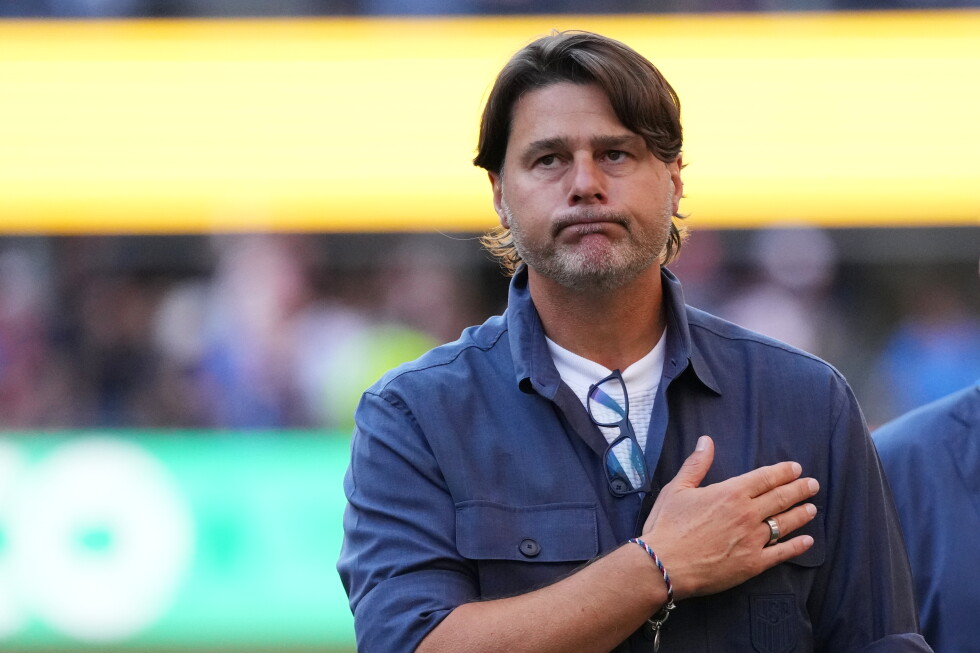
Mauricio Pochettino is staying with the U.S. soccer team, agreeing Monday to a four-year contract to coach the Americans through the 2030 World Cup. This was reported by Qazaqyia.kz citing Associated Press.
The 54-year-old, who took over in October 2024, led the U.S. to the World Cup round of 16, where the tournament co-hosts were eliminated with a 4-1 loss to Belgium.
Still, he helped the seeded U.S. to a pair of firsts in the expanded 48-nation tournament, clinching advancement from the group stage with a game to spare and winning three games in a single World Cup. The team captivated American fans with excited audiences in stadiums and record television viewers.
“The magic thing that happened during the World Cup, the connection with the people, of course with the whole organization and everything was a key point,” Pochettino said during a Zoom news conference from his home in Barcelona, Spain.
Hedge fund manager Ken Griffin is again the lead philanthropic funder supporting Pochettino’s contract. Pochettino earned just over $5 million in his first seven months as coach, according to the U.S. Soccer Federation tax return.
Since reaching the quarterfinals in 2002, the U.S. has lost four straight round-of-16 games.
“What we learn(ed) is that we can compete, that we have the quality and we have the talent,” Pochettino said. “We were so close. That gap with the best teams in the world is not too big.”
Pochettino said there is potential to make soccer in the U.S. “grow and grow and grow and be one of the important sport(s) in America, like it is in the rest of the world.”
“We have players and organization that can compete with the best organization in the world in that sport,” he said. “We learned that the fans are amazing and when they were so excited to discover a sport that made our fans become crazy, no? The connection was amazing.”
Pochettino views the next cycle as a new start for a program lacking quality depth at goalkeeper and central defender.
“It is going to be important to provide the young kids that we really believe that they have the potential to arrive in 2030, in four years, to start to work and start to know,” he said.