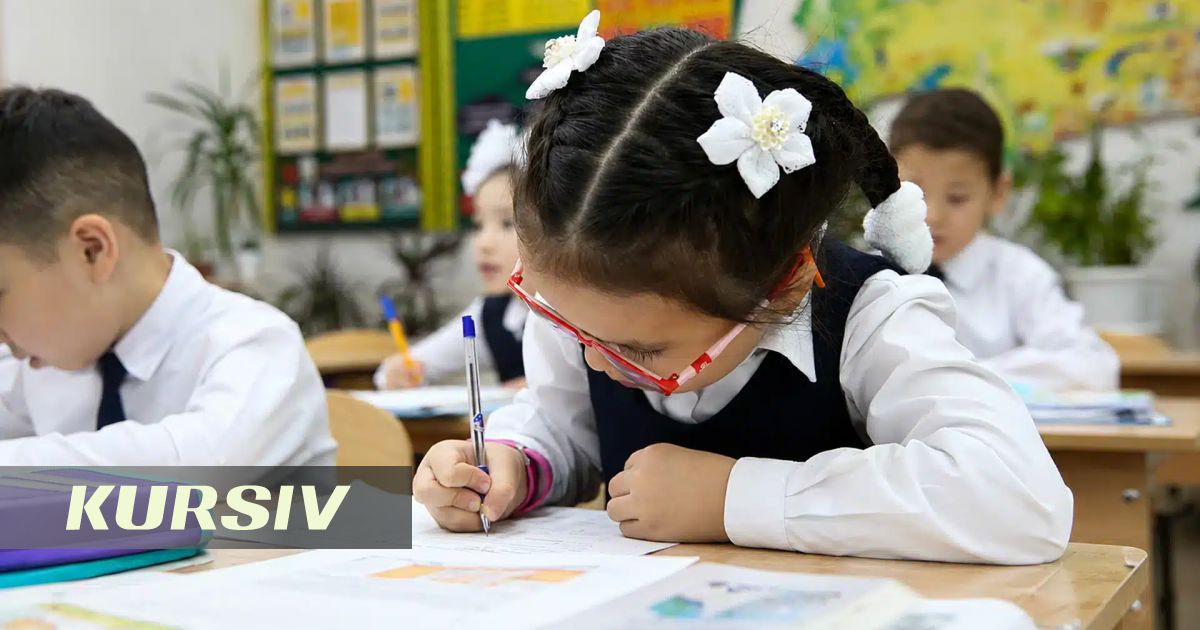
Kazakh school students performed well in working with digital technologies and in terms of safety in schools. This is indicated by the results of the international PISA-2025 study published by the OECD. This was reported by Qazaqyia.kz citing Kursiv Media.
Study Participants
According to the Ministry of Education, more than 22,000 15-year-old students from 643 schools in Kazakhstan participated in the study.
Digital Skills
One of the new sections of PISA was dedicated to digital skills. 80% of Kazakh students learn to verify and evaluate information created by artificial intelligence. On average, across OECD countries, this figure is 63%.
Another 85% of students attend schools that have rules and recommendations for the use of digital devices.
Bullying and Safety
According to the study, 77% of Kazakh students do not experience bullying. For comparison, on average across OECD countries, this figure is 53%.
Preparation for Adulthood
Most students also believe that school helps them prepare for adult life. This was stated by 71% of study participants. On average across OECD countries, this figure is 51%.
Students also highly rated teacher support.
Results in Core Areas
In the three core areas of PISA, Kazakh students scored on average:
- 01Results in science and reading generally remained at the level of the previous PISA-2022 study. At the same time, the science indicator remains higher than in 2018.
Identified Problems
The study also revealed problems. In particular, it is necessary to reduce the gap in results between regions and schools, strengthen students' basic knowledge, and improve the quality of teaching.
Next Steps
Based on the analysis of PISA-2025 results, specialists will prepare recommendations for further improvement of the education system, the Ministry of Education noted.
Earlier, Minister of Education Zhuldyz Suleimenova commented on parents' complaints about bans on dyeing hair, wearing makeup, and manicures in schools.