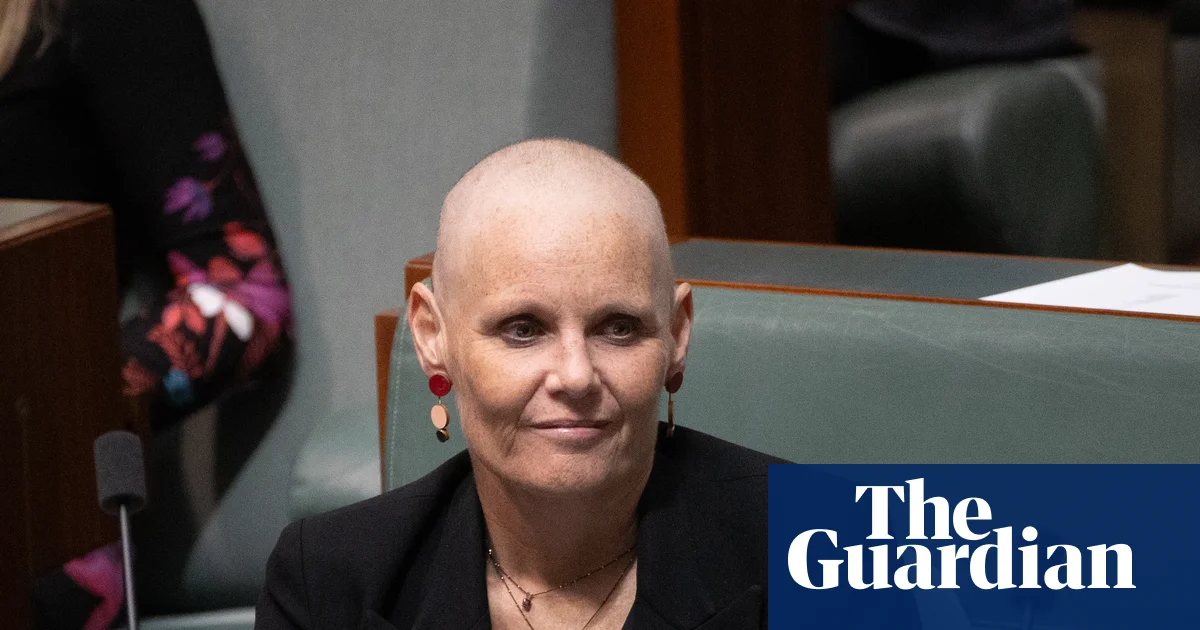
The husband of the late Labor MP Peta Murphy has said the government's gambling reform "falls well short" of what she called for in 2023, lamenting that its shortcomings were due to the "considerable lobbying power" of the wagering, sporting and media industries. This was reported by Qazaqyia.kz citing The Guardian.
Rod Glover said he had "mixed emotions" about Labor's reforms, which are expected to pass parliament by Thursday, praising Anthony Albanese and minister Anika Wells for changes he said would reduce harms. But he said reform had taken too long and could have gone even further in meeting Murphy's recommendations, which called for a full ban on gambling ads and inducements.
"The package is far from everything that is needed, and it has taken too long to get here," Glover said in a post on LinkedIn. "That delay has had real human consequences. But acknowledging that failure shouldn't stop us recognising what has now been achieved – or understanding how it became possible."
Labor's gambling reforms will pass the Senate on Wednesday night or Thursday morning, with the support of the Coalition.
Changes include limiting TV gambling ads to three per hour between 5am and 8.30pm, banning gambling ads on player jerseys and in stadiums, banning celebrities and players from promoting gambling, and a "triple lock" system for online ads requiring users to be over 18, logged in and provided with an opt-out option. It will also set up a one-stop "opt-out register" – the details and design of which is yet to be made clear – to allow Australians to elect against receiving gambling ads, while inducements will only be limited in some circumstances.
"Our gambling advertising reforms are focused where Australians need protection most, while ensuring new rules are practical, enforceable and capable of delivering real change," Wells said in parliament.
Albanese said the reforms were focused on "problem gambling".
It is nearly 1,150 days since Murphy, who died in 2023, handed down her landmark report on gambling harms, which recommended a total ban on inducements and wagering ads. Neither of those recommendations have been met, with Murphy's legacy kicking off another emotive debate in parliament about the scope of Labor's changes.
Debating the bill in the Senate, Labor senator Michelle Ananda-Rajah conceded the changes were "not going to please everyone" but paid tribute to Murphy, saying her "seminal work kicked off this response".
"We didn't fulfil all of Peta's requests, but I think we delivered highly significant reforms which will make a tangible difference," Ananda-Rajah said.
Greens senator Sarah Hanson-Young was ruled out of order in question time on Tuesday when she asked Labor minister Penny Wong "what would Peta Murphy think?"
Glover, who has advocated for stronger gambling action since Murphy's death, said online "today's gambling legislation feels like progress. But it comes with mixed emotions."
"It is a breakthrough of sorts. It will reduce harm, particularly for young people and those most vulnerable to the increasingly sophisticated ways gambling is marketed and promoted," he wrote.
Glover said Albanese, Wells and the opposition deserved credit for persevering with reform and finding compromise to pass the legislation, and also praised backbenchers in Labor and the Coalition for demanding stronger action, but conceded more could have been done.
"The final package falls well short of the Murphy Report recommendations, which remain the benchmark for comprehensive reform," Glover said. "The limits of the reforms reflect, in large part, the considerable lobbying power of the gambling industry, major sporting codes and media organisations.
"The online gambling industry is predatory, but the failure of social leadership among some of our major sporting and media institutions is different. Organisations with a privileged place in Australian life have continued to put their commercial interests in gambling ahead of the social responsibilities that come with the influence, standing and trust they hold."
There are scarce details of the opt-out register, which some are referring to as "AdStop". Government sources admitted the concept, which was publicly raised for the first time only on Monday, was not fully formed and would be finalised in future. It is expected to take up to 12 months to stand up the register.
The shadow communications minister, Sarah Henderson, claimed on Tuesday the idea came from the Coalition. She envisioned that "anyone seeking to serve gambling ads online will be required to sweep that register" to check if users have opted out.
This would conceivably cover all online platforms, from social media to streaming services and any website serving ads. Major online platforms have not yet commented publicly on the register concept, but tech industry sources said they believed it would be a very complex undertaking, raising concerns about how it would work.
Henderson on Wednesday called the opt-out register "a very significant initiative", claiming it was "untenable" that people would be expected to individually opt-out of ads on each website. But she also demanded the government "get it right".