The Pentagon is pressing the U.S. defense industry to accelerate production of weapons to help replenish its diminished stockpile of munitions, including those depleted in the ongoing war with Iran. This was reported by Qazaqyia.kz citing Associated Press.
Pentagon spokesman Sean Parnell said in a statement Saturday that the department was actively focused on boosting munitions acquisitions to provide "the weapons our warfighters need at the pace the threat demands." He confirmed department efforts in the last week to significantly speed the process but insisted it was part of a broader modernization effort that predated the five-month-old conflict.
Deputy Defense Secretary Steve Feinberg wrote to industry leaders on Wednesday, giving them no more than 21 days to submit plans to "drive significantly faster, more aggressive delivery schedules and/or increased production for critical capabilities," according to a memo obtained by The Washington Post.
"Years-long development cycles are not acceptable," Feinberg wrote. "We must dramatically accelerate our program schedules and expand our production capacity now."
The memo comes as recent fighting with Iran used up more of the U.S. military's already diminished stockpiles of advanced missile interceptors, potentially putting American troops at more risk if hostilities resume, according to a new analysis.
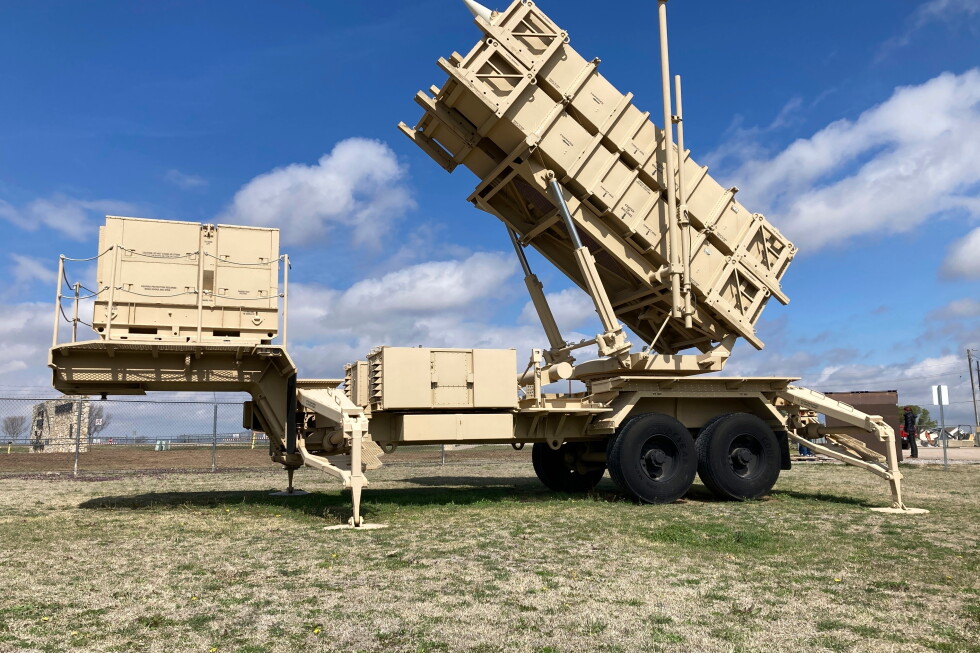
Shrunken inventories of Patriot and THAAD interceptors may force the U.S. and its Middle Eastern allies to take more risks to conserve those air defenses, according to the analysis from the Center for Strategic and International Studies, a Washington think tank. For example, it said, American forces may launch fewer missiles against incoming Iranian drones and missiles, raising the chance of one getting through.
President Donald Trump in recent days has bristled over public reports of a munitions shortage, posting on Truth Social on Thursday that the U.S. has "massive amounts." He added that "large amounts are being manufactured and shipped to the U.S. as needed."
On Saturday, Parnell affirmed that Feinberg's memo seeking a rapid escalation of weapons production is "real," adding that it "will inform the fiscal year 2028 budget submitted to Congress for funding, and it is entirely consistent with our ongoing push to rebuild the defense industrial base."
A defense spending bill is currently stalled in Congress, with lawmakers fuming over Trump's military action against Iran and resisting the White House request to substantially increase Pentagon spending to $1.5 trillion, up from about $900 billion last year.
The number of Patriot interceptors fell from 2,330 before the war to 1,030 when the April ceasefire took effect, CSIS estimated last month. Following recent fighting, the stockpile is now estimated to be between 759 and 827, a decrease of at least 65% since before the conflict began.
The number of THAAD interceptors fell from 452 before the war to between 232 and 262 at the start of the April ceasefire, CSIS said. The U.S. was able to replenish some of the inventory to between 234 and 278 interceptors. But the stockpile is still at least 38% smaller than it was before the conflict.