More than 100 homes on the inherited royal estates of King Charles and Prince William fail to meet the legal minimum energy standards for landlords, The Guardian can reveal. This was reported by Qazaqyia.kz citing The Guardian.
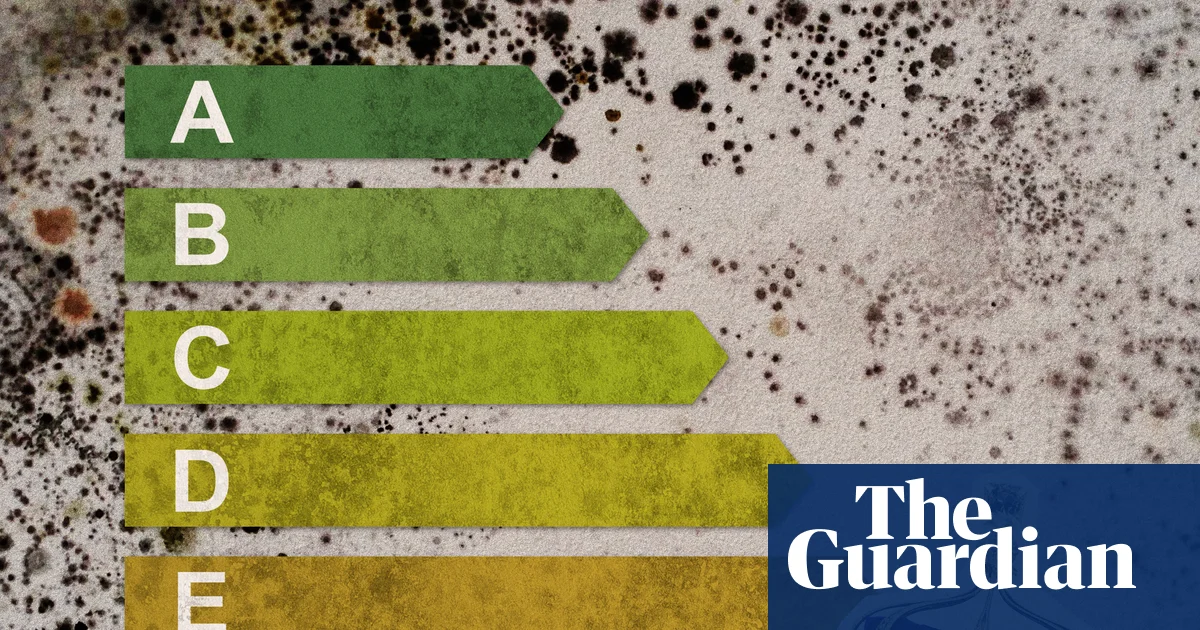
An analysis of a large sample of domestic lets on the duchies of Lancaster and Cornwall and the Sandringham estate found that one in five have Energy Performance Certificate (EPC) ratings of F or G. EPCs are documents that provide an energy efficiency score for properties in relation to their running costs. Introduced in England and Wales in 2007 as concern grew about carbon emissions, they help to estimate energy bills and environmental impact. The most energy-efficient properties are awarded an A rating and the worst are given a G.
The revelations are likely to be embarrassing for Charles and William, both of whom have cultivated reputations as environmental advocates. Since 2020, it has been illegal to rent out properties with EPC ratings below E, unless the landlord can demonstrate that it is exempt. In the majority of failing royal rentals, no formal exemption has been cited.
However, in some cases, the royal estates appear to be using gaps in the regulations to continue letting properties out. This includes the homes of dozens of farmers, who are living in poorly insulated and hard-to-heat farmhouses they lease from the two duchies. Some farmhouses are not subject to current regulations, depending on the type of tenancy in place.
Other homes rented out by the royals are not covered by the rules, as they apply only to tenancies that began after October 2008. These older tenancies often house elderly and vulnerable people with health conditions, with some living without central heating and reliant on unhealthy coal fires or expensive electric heaters.
The Guardian has visited a number of the worst F and G-rated duchy properties, and found many were affected by black mould, with draughty single-glazed windows.
The pressure group Fuel Poverty Action said the conditions in some properties were “Dickensian”. It accused the royals of “putting profits above the health and welfare of their tenants”.
It is not known how much money the king receives from his private Sandringham estate, which was bought by Queen Victoria in 1862 and is set over 8,000 hectares (19,000 acres) in Norfolk.
However, the duchies of Lancaster and Cornwall, sprawling property portfolios that date back to feudal times, are exempt from most business taxes, allowing them to maximise their profits. They have paid out more than £400m to the king and his family since 2018.
That is when the minimum energy efficiency standards (MEES) regulations came into force, designed to ensure a minimum EPC rating of E for all new private tenancies, which was extended to existing tenancies from 2020.
Landlords must spend up to £3,500 on each property to bring them up to standard or cite one of the exemptions allowed under the rules. If they fail to do so, but continue to rent out the property, they can be fined up to £5,000.
Fewer than one in 12 of the F and G-rated properties on the royal estates that the Guardian analysed had registered exemptions. The duchy of Lancaster had recorded exemptions for eight properties, while the duchy of Cornwall had logged four and the Sandringham estate five.
The most common exemption, used in nine royal-owned properties, is that consent to improve the property “has been refused, or given conditions that cannot reasonably be met”. In four other properties, it is stated that “wall insulation is not appropriate for the property”.
In three properties, improvements that would help obtain an E rating have not been carried out as they would exceed the £3,500 cap. None of those three properties have central heating or full double glazing. All rely on electric heaters rated “very poor” by the energy assessors and solid-fuel fires or burners.
The estates do not publish lists of their land holdings, meaning it is difficult to conduct a comprehensive analysis of all of their rental properties. In the case of the two duchies, aides have gone to great lengths in the past to obscure their property portfolios, withholding the information even from parliament.
However, the Guardian has examined the EPCs of more than 700 domestic properties listed as being owned by one of the three royal estates on the Land Registry. This audit found that about one-fifth have been rated F or G.
The analysis excluded properties that had been converted into holiday lets, where the MEES regulations do not apply. It also disregarded those with leasehold titles recorded by the Land Registry where the landlord’s responsibility is less straightforward.
It is unclear how many of the 143 properties rated F or G are unoccupied while they are being renovated or sold. However, the Guardian spoke to the tenants living in a significant number of them.
The duchy of Lancaster, established in 1265 to provide the monarch with a private income, is the only royal estate to publish details of how it is complying with the MEES regulations.
There are more than 300 rental properties on the 18,000-hectare (44,000-acre) estate, which stretches from Lancashire to London.