Pakistani authorities have imposed severe new restrictions on international media, including barring them from reporting in most of the country, in a move that has provoked significant backlash from journalist organisations. This was reported by Qazaqyia.kz citing The Guardian.
According to the new rules, anyone, including Pakistani nationals, should seek permission to report from Pakistan except in three cities: Islamabad, Karachi and Lahore.
Pakistan is currently ranked 153 out of 180 on the World Press Freedom Index. Successive regimes in Pakistan have imposed restrictions and censorship on local media. But this is the first time they have put restrictions on international media and its Pakistani journalists.
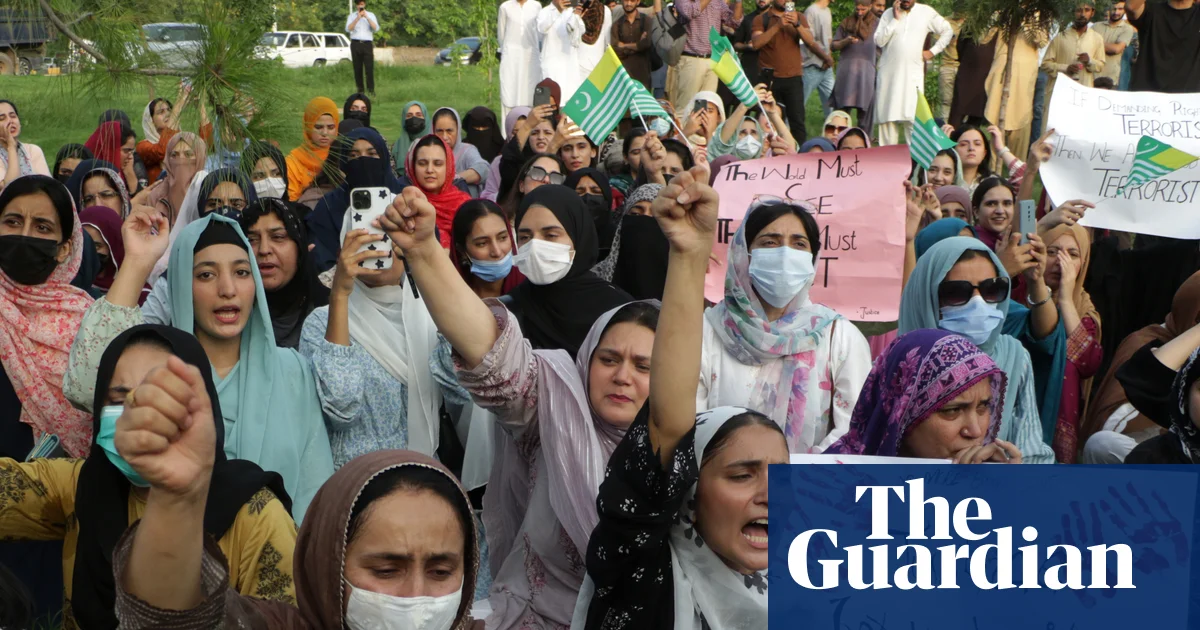
The sudden announcement of new rules came after the killing of dozens of protesters in Pakistan-administered Kashmir, which was only reported by international media.
Al Jazeera's website was restricted in Pakistan after it reported on the bloody protests and the news that people were boycotting regional elections from Muzaffarabad, the capital of Pakistan's Kashmir.
Pakistan's information ministry derided Al Jazeera's reporting as "yellow journalism", a derogatory term used for sensationalised reporting.
Authorities have not publicly announced a ban of the news website, but it remains inaccessible without a VPN.
The BBC reported from Pakistan-administered Kashmir and quoted protesters and people who accused Pakistani security forces of firing at unarmed protesters. Pakistani authorities issued a strongly worded denial and asked all journalists to immediately leave Kashmir.
The new rules, which the ministry of information called the Foreign Media Facilitation Guidelines 2026, do not specify a timeframe for how long it would take for journalists to be granted permission to report.
Nasir Zaidi, a former general secretary at the Pakistan Federal Union of Journalists and a senior journalist, said that international media has been objectively reporting on protest movements, crackdowns on opposition parties and the repressive political situation in Pakistan.
"For decades, various governments have always tried to kill the news and they failed because of the reporting of international media and now it came up with these repressive rules to curb the movement of journalists. They don't want the truth to be reported," said Zaidi.
The government denies that the new rules are a blanket restriction on the movement of journalists or constrict media.
Zaidi, who was subjected to public flogging during the military dictatorship of Gen Zia ul-Haq for raising his voice for media rights, said that he had never witnessed such times before.
"Despite the fact I have worked during martial laws, but, such curbs and restrictions on international media were unseen. It is worse than martial law," he added.
According to the new guidelines, the accreditation and registration is mandatory for international media outlets and journalists in the country. The new rules also state that journalists can lose their accreditation for "acts against ideology, sovereignty, security or public order of Pakistan". Legal experts and journalists have said that these stipulations are vague and difficult to interpret.
"Pakistan is sending a very wrong message to the world with all these rules curbing free speech and freedom of international media," said Zaidi.