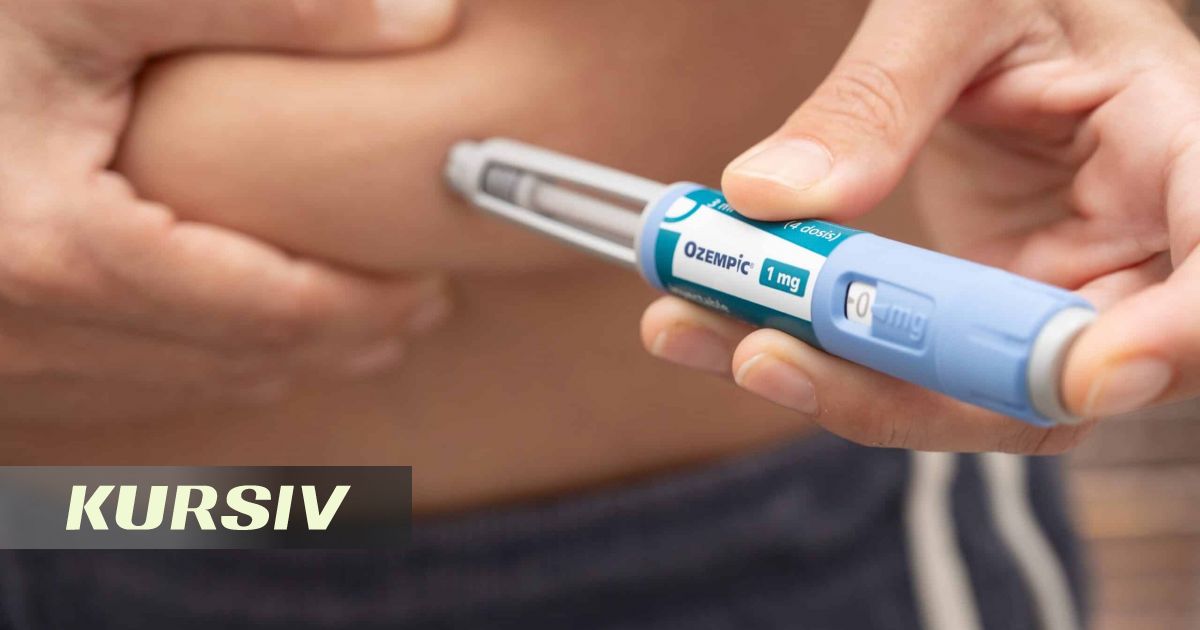
The US Food and Drug Administration (FDA) has required that warnings about a possible eye condition that can lead to vision loss be added to the instructions for Ozempic, Wegovy, Mounjaro and Zepbound, Reuters reports. This was reported by Qazaqyia.kz citing Kursiv Media.
What the warning is about
The warning concerns non-arteritic anterior ischemic optic neuropathy (NAION). In this condition, the blood supply to the optic nerve is disrupted. Vision can be lost suddenly, without pain, and in some cases irreversibly.
The FDA made the decision after reviewing study results and reports of side effects from GLP-1 drugs, which are used to treat diabetes and for weight loss.
Manufacturers' positions
Eli Lilly, which makes Mounjaro and Zepbound, stressed that the warning applies to the entire class of drugs, not just the company's products.
"We are carefully reviewing the updated information and will respond to the FDA promptly," a Lilly spokesperson said.
Novo Nordisk, which produces Ozempic and Wegovy, believes that a link between the drugs and the eye condition has not yet been proven.
"Novo continues to believe that the data do not establish a causal association, and we remain confident in the benefit-risk profile of our medicines," the company said.
European regulator's assessment
In 2025, the European Medicines Agency recognized NAION as a very rare side effect of semaglutide, the active ingredient in Ozempic, Wegovy and Rybelsus. According to the regulator's estimate, the condition may affect up to one in 10,000 patients.
At the same time, a large 2025 study showed that after two years of treatment, the risk of NAION in patients taking semaglutide was more than twice as high as in those receiving other diabetes medications.
Lawsuits
Manufacturers of Ozempic and similar drugs have also faced thousands of lawsuits in the US. According to MassArbitration, as of November 2, 2026, 4,360 cases were pending in two consolidated federal proceedings. Of these, 4,082 concerned alleged gastrointestinal complications, and another 278 concerned vision loss.
These cases involve several GLP-1 drugs, not just Ozempic. The existence of lawsuits does not mean that the manufacturers' liability has been proven.
If this article causes you anxiety, discuss it with an artificial psychologist.