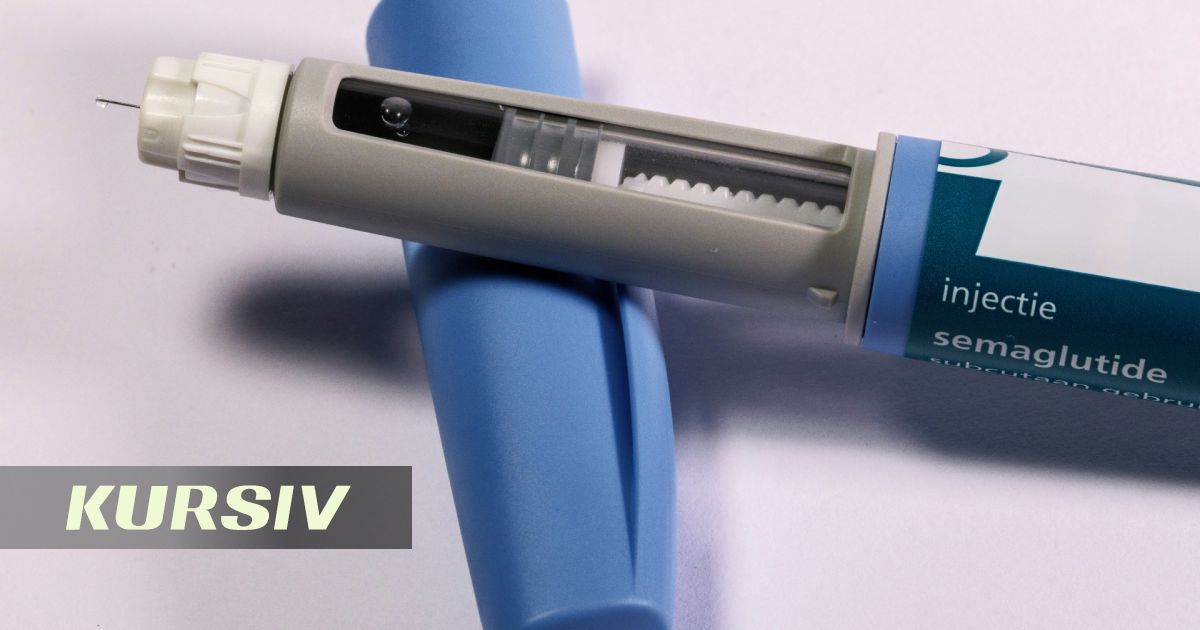
Popular weight-loss drugs like Ozempic and Wegovy have revolutionized the fight against diabetes and obesity, but they have also become a new tool for people with eating disorders. A study published in JAMA Psychiatry found that patients with anorexia and bulimia take these medications to intensify dietary restrictions. This was reported by Qazaqyia.kz citing Kursiv Media.
GLP-1 receptor agonists, better known as Ozempic and Wegovy, mimic a natural hormone released by the gut after eating to regulate blood sugar and appetite. These agonists activate the same receptors in the stomach and intestines. They help slow gastric emptying, making a person feel fuller faster and longer, thus reducing overall food intake.
These effects help improve glucose control and support weight maintenance. However, doctors worry that people with eating disorders may use GLP-1-stimulating drugs to restrict eating and lose even more weight.
Researchers at the University of Louisville studied the use of these drugs among 436 people in the US with eating disorders, including anorexia, bulimia, and binge eating disorder. Surveys were conducted over nine months.
It turned out that nearly one in three respondents had taken these drugs at least once in their lives. At the time of the study, 22% were still actively using them. About 10% reported misuse, such as taking higher doses than prescribed, continuing treatment beyond the prescribed duration, or sharing drugs with friends or relatives without a doctor's permission.
The researchers note that these findings are concerning because there are no approved medical indications for GLP-1 drugs to treat any eating disorder.
The situation is complicated by people buying unregulated copies online, bypassing medical supervision, which requires intervention from pharmaceutical regulators.
The authors call for enhanced pharmacological surveillance to control their use, as clear misuse among people with eating disorders is evident.
Earlier, Kursiv spoke with endocrinologist Gulmira Mansurova about the culture of taking incretins, and for whom Ozempic injections truly save lives versus being a waste of money.
If this article causes you concern, discuss it with an artificial psychologist.