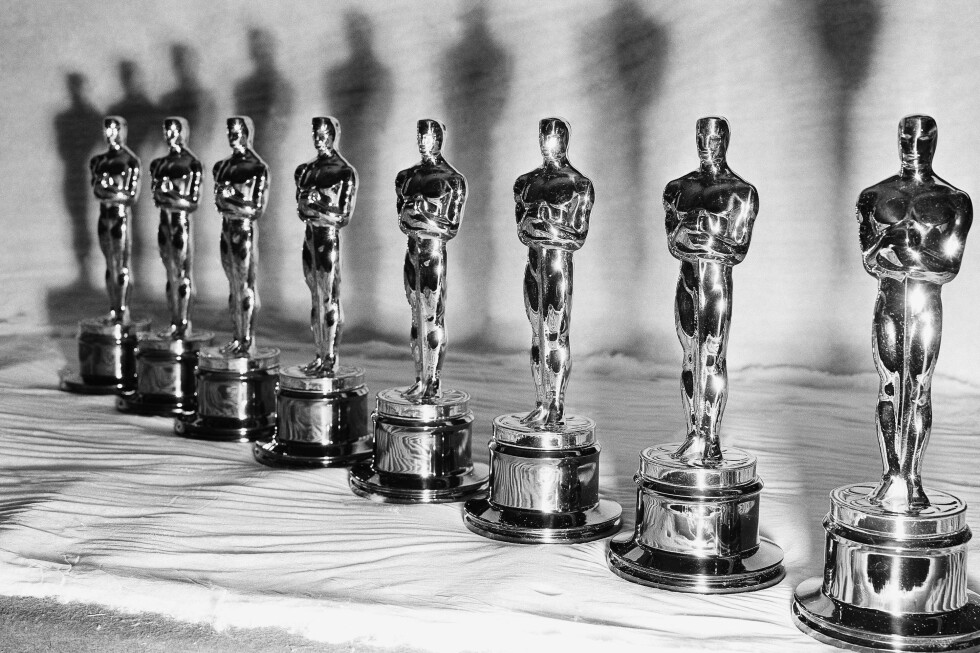
LOS ANGELES (AP) — The Oscar is Hollywood's ultimate recognition. This was reported by Qazaqyia.kz citing Associated Press.
The history of the Oscar began in 1929, when the first ceremony lasted just 10 minutes. The award was part of Louis B. Mayer's vision: a PR ploy to convince the public that Hollywood was not a den of sin and scandal, and a consolidation of power by producers resisting unionization.
No one knows exactly who coined the name "Oscar," though Academy librarian Margaret Herrick is said to have nicknamed the statue after her uncle.
The Oscars often get it wrong. "Citizen Kane" and "Brokeback Mountain" lost best picture, "Crash" and "Green Book" won, "2001: A Space Odyssey," "Do the Right Thing," and "Hoop Dreams" weren't even nominated, and David Lynch never received a competitive Oscar. Sometimes they get it right (see: "One Battle After Another").
The Oscar is at once an undeniable honor — the most recognizable award for making movies — and a manifestation of everything rotten in moviemaking, with egos, money, and power tipping the scales over merit. Since 1929, the Oscars have become a cultural bellwether and a billion-dollar cottage industry.
The statue itself costs about $400 to produce. Studios spend tens of millions on campaigns. Some winners get bigger paychecks, but it's hardly a guarantee of a better life or career. The resale market is complicated: if you won after 1951, neither you nor your heirs may sell the statue without first offering the Academy the option to purchase it for $1.
Oscar's popularity has fluctuated. In 1969, 22-year-old Candice Bergen helped recruit younger Academy members like Dennis Hopper. In 2015, the #OscarsSoWhite tweet sparked a membership revolution. Critics have cried irrelevance since its earliest days.
Still, we watch. Complaining about the Oscars is its own pastime.