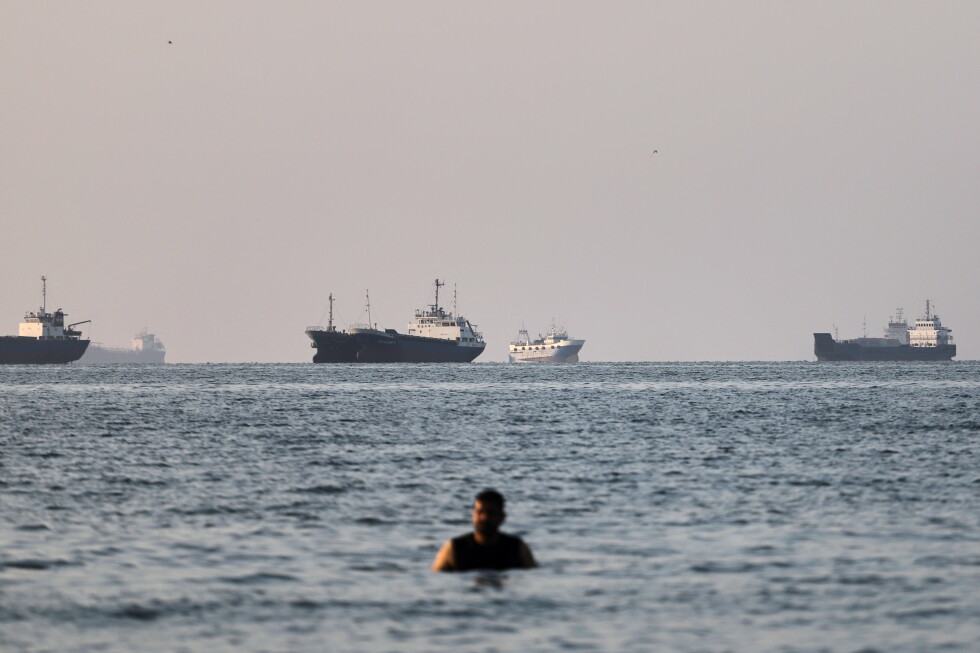
The tentative agreement to end the war in Iran and reopen the Strait of Hormuz is good news for the global economy. But even as oil prices dropped Monday, many questions remain about when and how it will start flowing again through the world's most vital artery for energy shipments. This was reported by Qazaqyia.kz citing Associated Press.
Before the war, the strait carried a fifth of the world's crude oil. Now, it will take time for hundreds of ships trapped in the Persian Gulf to exit through the narrow strait. And Gulf oil producers that throttled back production will need time to get the oil moving again. Analysts also say ship captains may take their time to decide if passage is safe and that the threat of attack from Iran has truly receded.
All told, oil prices, inflation and energy flows simply won't see an immediate return to what they were before the war — not for weeks or even months. And that's assuming the deal, set to be signed Friday, proves durable. Details hadn't been released.
Even if the Strait is completely open, it will take time for tankers to enter, load, and make the journey to Asian countries — the chief customers for Gulf oil from Saudi Arabia, Iraq, Bahrain, the United Arab Emirates, Kuwait and Oman. A trip to Japan and back can take 45 to 50 days.
Captains, insurers and owners may take their time in attempting passage, given the volatile situation.
"Operationally, the sector is not rushing back," wrote Richard Meade, editor-in-chief of shipping data and analysis company Lloyd's List, noting that many warn mine clearance and a return to use of the internationally recognized transit lanes "are prerequisites for safe navigation."