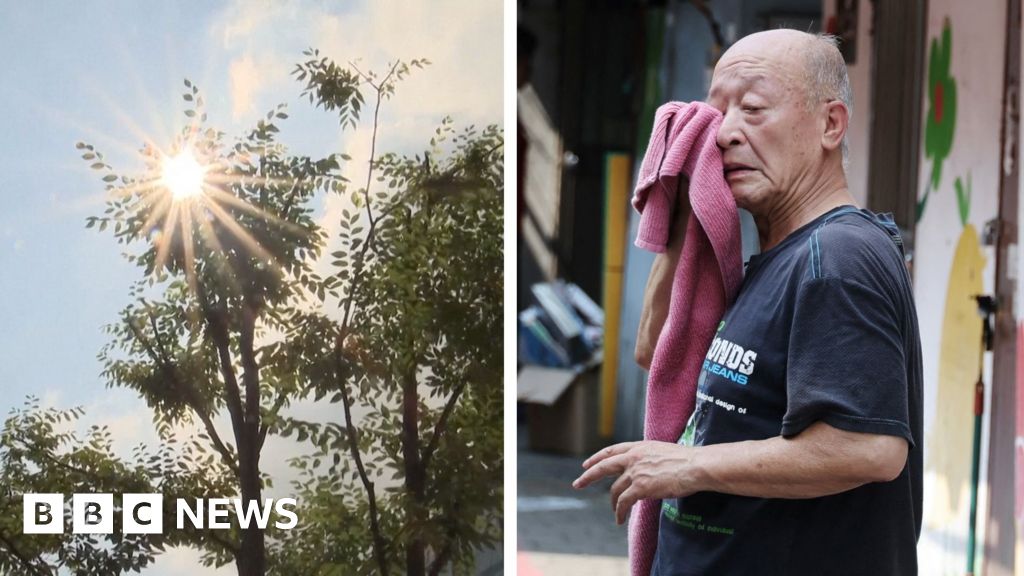
South Korea is struggling against the effects of a blistering heatwave which has brought its highest ever temperatures. This was reported by Qazaqyia.kz citing BBC News.
A high of 42.5C was recorded on Sunday in the southern city of Yangsan, the country's highest temperature since modern record keeping began. This record underscores the country's vulnerability to climate change.
At least 19 people have died during the heatwave, according to authorities, and Seoul is under a severe heat warning for the first time under a system established this year by the government to respond to rising temperatures.
BBC's Seoul correspondent Jake Kwon has more details. He noted that the heatwave has significantly impacted daily life, with increased hospital visits.
Experts link such extreme temperatures to climate change. The South Korean government is strengthening heat protection measures, including opening public cooling centers and paying special attention to the elderly.
The record temperature has also affected energy consumption, increasing demand for electricity. Authorities are taking additional measures to ensure stable operation of power grids.
The heatwave is expected to continue in the coming days, posing additional health risks. Specialists urge people to drink plenty of fluids, avoid going out during the day, and help vulnerable groups.
South Korea's meteorological agency forecasts that high temperatures will persist in the coming weeks. This highlights the need to review the country's climate policy.
As reported by BBC News, most of the heat-related deaths are among the elderly and outdoor workers. Authorities are calling for special attention to these groups.
Since the severe heat warning in Seoul is issued for the first time, residents are not prepared for such conditions. City authorities have opened temporary cooling points and organized water distribution in public places.
This record heatwave marks a significant milestone in South Korea's fight against climate change. Experts warn that such extreme events will become more frequent, requiring a long-term strategy.
According to BBC's Seoul correspondent Jake Kwon, local authorities are mobilizing all resources to help those affected by the heat. However, the severity of the situation demands additional measures.
South Korea's record heat is seen as a clear example of global climate change. UN climate experts predict that such phenomena will continue in the coming years.
Currently, the South Korean government is conducting public awareness campaigns on heat protection. Measures to reduce losses in agriculture are also being considered.
The situation is also affecting the country's economy, particularly in the energy and agricultural sectors. Authorities are assessing damage and developing assistance plans.
As reported by BBC News, electricity demand in South Korea has reached record levels due to the heat. This is putting additional strain on the country's energy infrastructure.
Experts believe that extreme temperatures may have long-term effects not only on human health but also on the environment. They emphasize the need to strengthen climate adaptation measures.
South Korea's record heat is drawing global attention. Many countries are reviewing their preparedness for such situations.
In conclusion, the record heatwave in South Korea is clear evidence of climate change. This situation requires increased preparedness and the adoption of a long-term strategy.