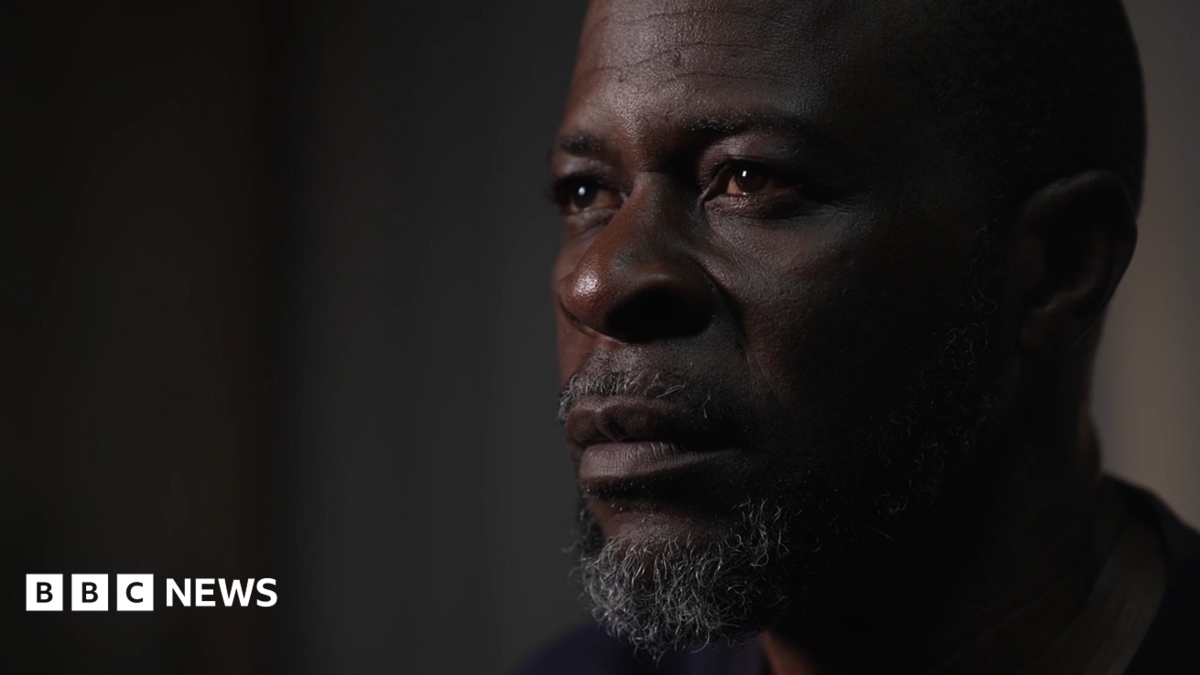
Nigerian Richard Itoro is not sure when he will see his twin children again. Fearing for his safety as anti-migrant protests escalated in South Africa this year, the 47-year-old left his family and business in Johannesburg and boarded one of the voluntary repatriation flights to Nigeria in June. This was reported by Qazaqyia.kz citing BBC News.
His experience is one of many fueling diplomatic tension and threatening to rupture relations between South Africa and other African nations. Tens of thousands of foreigners have left the country over the past two months.
"It was painful for me to leave [the] person who's my best friend," Itoro tells the BBC, with tears welling up, as he reflects on saying goodbye to his South African wife. Over 15 years, he had built a car-dealership business, bought a home, and created a family. That is now all gone for him.
Itoro became the target of harassment, but his wife was not spared the intimidation. He says his neighbours told her: "You're married to a Nigerian. Those of you who are married to Nigerians we are supposed to arrest you people. You guys betrayed us. Go and leave the country with your husband and don't be here."
"My family was just a small family, which was beautiful and peaceful. I had no issues with anybody," he says. "If I go home and start all over again, it's better than being here, being harassed, being scared for my life."
However, the businessman says the Nigerian high commission would not let his wife and children travel with him. He describes leaving as feeling like a movie where someone boards the last helicopter flight out of a besieged city.
"I wish I could have just begged the people from the embassy and said: 'This is my wife, I can't leave her behind and my kids,' but I couldn't. So my car started departing and I wished I had told her not to cry."
The anti-migrant groups in South Africa said their protests were aimed at undocumented foreigners. The country's outspoken Culture Minister, Gayton McKenzie, who leads one of the parties in the coalition government, also emphasized this point. "We say South Africa is open to our brothers on the continent but come here legitimately. Come with your papers," he told the BBC's Interview programme.
But Itoro says his legal status did not protect him from hostility, as he shows the BBC a copy of the document that he says proves he had the right to stay in the country. He was not alone, according to the Nigerian authorities. "We have records of Nigerians who have legitimate papers to remain in South Africa, yet they have been attacked," Nigeria's Minister of State for Foreign Affairs Sola Enikanolaiye said during a recent meeting with South Africa's Foreign Minister Ronald Lamola.
The temperature was raised last week following the death of a Nigerian who was killed as police were arresting him over suspected drug offences. An independent body is now investigating. Lamola maintained that South Africa deals with those who take the law into their own hands, but added that President Cyril Ramaphosa was also "very firm on South Africa's sovereign right to enforce its immigration laws."
Despite diplomatic efforts, South Africa's reputation has been severely damaged. Not least because of images and videos circulating on social media. Not all of them were what they were purported to be, but one involving a Ghanaian was genuine and sparked huge concern once it started being shared in April.
When Emmanuel Asamoah left Ghana in 2023 for South Africa, he was chasing the kind of opportunity many migrants dream about. The 37-year-old hairstylist settled in Soweto, on the outskirts of Johannesburg, found work, built a life, and believed he had a future in one of Africa's biggest economies. But three months ago that future suddenly felt uncertain when he was surrounded by a group of South Africans who demanded that he leave. The confrontation was captured on video.