'Extreme fear' among immigrants amid backlash in South Africa
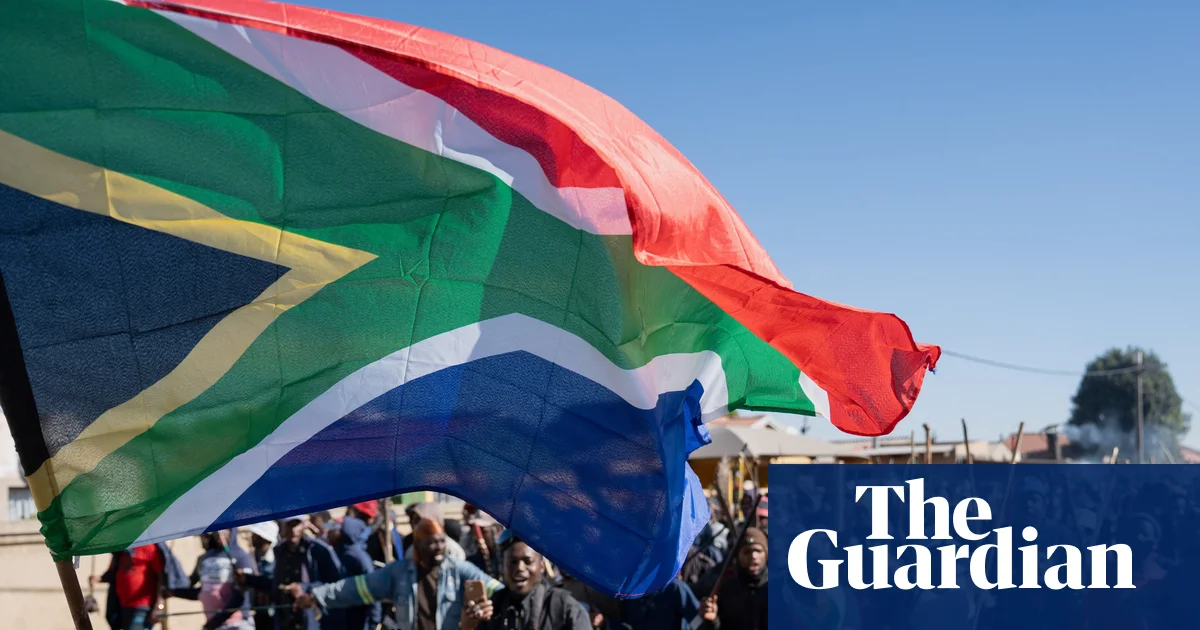
African immigrants in South Africa say they live in fear after a series of marches demanding the expulsion of illegal immigrants revived long-standing xenophobic sentiments in the country. As reported by The Guardian, the group March & March, leading the recent protests, gave people living in the country illegally a deadline of June 30 to leave, without specifying what will happen to those who do not comply. This was reported by Qazaqyia.kz citing The Guardian.
Mozambique reported that five of its citizens were killed in 'xenophobic attacks' in late May. South African police said two Mozambicans and one South African died during an outbreak of violence in Mossel Bay on the southern coast.
About 60 miles southeast of Cape Town, around 100 people from Mozambique and Malawi took shelter in the Kleinmond town hall last week after an angry mob told foreigners in an informal settlement they must leave. Many told Reuters they want help from their governments to return home. Ghana organized flights for several hundred of its citizens to leave South Africa.
'Every day and almost everyone I meet, they are in fear, extreme fear,' said an Ethiopian entrepreneur who moved to South Africa in 2000 and is married to a local woman. The couple has a 19-year-old daughter. 'The sad thing is it's not because they are undocumented... But no legal documents will protect you from violence.'
South Africa has long imported labor migrants, especially for work in mines. After the 1994 elections that ended white minority rule, Nelson Mandela welcomed African migrants. Meanwhile, poverty and economic hardship in many neighboring countries, including hyperinflation in Zimbabwe, pushed people south.
Chronic unemployment and inequality have led many South Africans to blame African immigrants for their problems, with discontent periodically erupting into violence. During the 2008 riots, 62 people died, including 21 South Africans, and more than 150,000 were displaced. In 2015, at least five people died.
The share of South Africans who, according to surveys by the Human Sciences Research Council, a state body, would welcome all immigrants fell from a quarter in 2020 to 15% last year. The unemployment rate rose by 3.4 percentage points to 43.1% since 2020.
'People are struggling to hold the government accountable, and it's easier to blame migrants,' said Sharon Ekambaram, head of the refugee and migrant program at Lawyers for Human Rights.
South Africa's foreign-born population nearly tripled to 2.4 million between 1996 and 2022, according to census data, which includes undocumented individuals. That accounted for 3.9% of the 62 million population, compared to 2% in 1996.
March & March leader Jacinta Ngobese-Zuma, who advocates for mass deportation, claims illegal immigration 'is between 15 and 30 million.' 'South Africa is now taken over. South Africans have become refugees in their own country,' she said last month.
Founded in March 2025, March & March has crossed South Africa organizing protests. On March 30, the group held a demonstration in KuGompo City (formerly East London) after locals were outraged by later-discredited reports that a Nigerian had been crowned king. Since then, marches have taken place in cities such as Durban, Johannesburg, and Pretoria.
Asked about the group's funding, Ngobese-Zuma told local outlet Daily Maverick: 'We receive funding from concerned South Africans, but we also have a social media page where our supporters can contribute. They contribute financially, but some contribute in kind.'
Another notable figure in the marches is Ngizwe Mchunu. The radio DJ was acquitted of incitement to riot in July 2021, during which more than 350 people died after former president Jacob Zuma was sent to prison.
Ahead of local elections in November, some small parties, including ActionSA and Jacob Zuma's uMkhonto we Sizwe (MK), are trying to gain support by associating themselves with the protests.
Politicians from the African National Congress have tried to strike a more nuanced line. 'South Africans from all walks of life have expressed concerns about migration and illegal immigration... These concerns are real. They deserve to be heard. They deserve to be addressed,' said South African President Cyril Ramaphosa in a televised address on Sunday evening.
He promised tougher measures against illegal immigration and corruption in the country's border agencies, emphasizing that only state officials have the right to demand proof of citizenship. 'We will not allow and must not allow groups to use the legitimate concerns of South Africans to destabilize our country by inciting lawlessness and violence,' Ramaphosa said.
Otlohileng Mokgatle, a political analyst at consulting firm Control Risks, said: