The discovery of murdered women's bodies in South Africa's Ekurhuleni region has sparked renewed fear and outrage over gender-based violence. This was reported by Qazaqyia.kz citing BBC News.
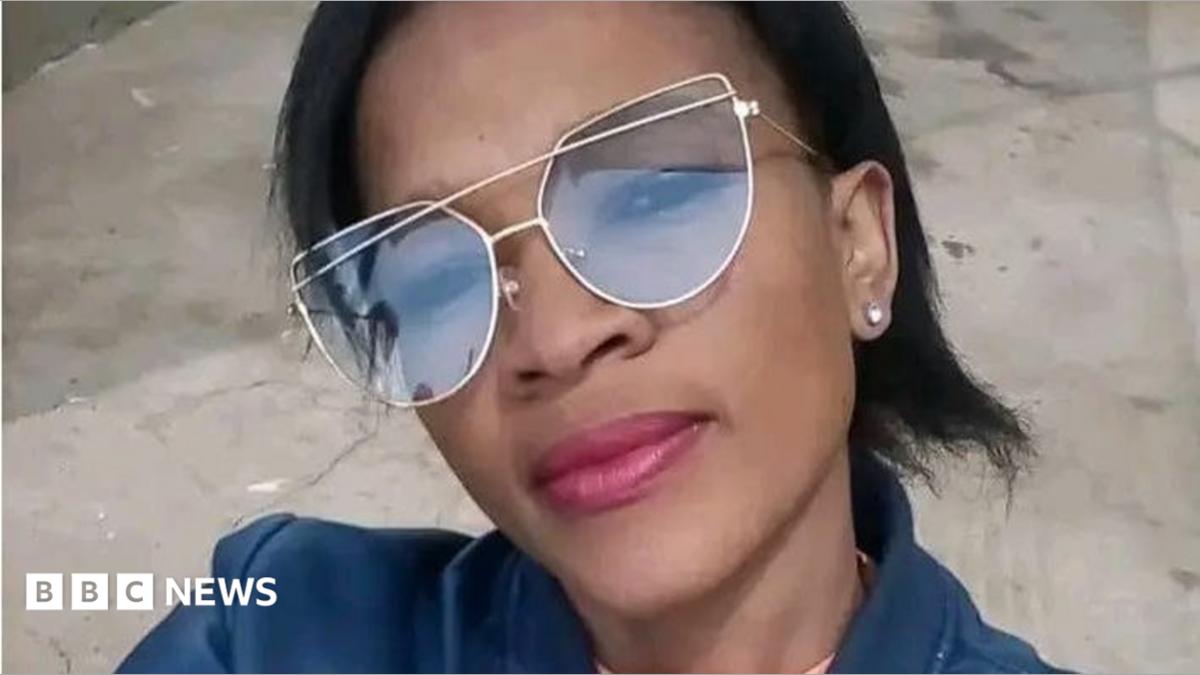
Nokwanda Matshikiza sobs as she reflects on the murder of her niece Dineo Motapane. "What we are going to do, I have no idea," she says. "But something must give. For us, for all the other women. How many other bodies will be found before something happens?" Nokwanda is speaking to the BBC from the family home near Johannesburg, just two days after relatives identified Dineo's body.
The 38-year-old mother-of-two was last seen alive last Sunday. Her battered body, partly burned, was found later in the residential region of Ekurhuleni. Nokwanda weeps as she describes how the family will have to face the grim task of telling Dineo's daughter of her death. "How do you explain that your parent was brutally murdered, dumped in a field, and just left there, discarded like a piece of rubbish. There's no coming to peace with it," she adds.
Dineo's death this week has come amid a series of comparable incidents in Ekurhuleni – her body one of three discovered there this week. In total, nine bodies of murdered women have been found in similar circumstances in the region since July. The problem has always been there but this spate of grim discoveries has once again sparked a national outcry about the scale of violence against women in the country – which has one of the highest rates of gender-based violence in the world.
Themba Kekana is also living in shock at the death of a loved one. His sister, Itumeleng, was one of the first to disappear in Ekurhuleni. The 32-year-old shopkeeper's body was found in July, 17 days after she was last seen alive. Her body was badly bruised, partially clothed and dumped on a bridge. "We are devastated with grief," says Themba, wet eyes shining. "I look at my sister's young daughter and my eyes fill with tears, I know there is no way that I can ever take this pain away from her. No family should have to deal with what we are faced with."
Only one arrest has been made in connection with the murders – and that was two days after the first body was discovered on 15 July. Nobody has been detained following the murders of Itumeleng or Dineo or the other six Ekurhuleni women. Most of the victims were young, in their 20s or 30s, and almost all had suffered extreme violence before their deaths.
Police have said they are not sure if they are hunting a serial killer. It is possible the cases are not linked. Either way, what has happened in this residential district east of South Africa's biggest city has traumatised the nation, shining a spotlight on a situation that many believe is a crisis.
South Africa's police issue detailed crime statistics every quarter, which show that during the last quarter – between April and June this year – 5,427 people were murdered. The official data does not distinguish between the genders of the victims, but this week the country's Human Rights Commission released figures showing that 569 women had been killed in that period (six a day on average), with another 1,052 who faced attempted murder.
Many women - already feeling unsafe - have been left reeling by recent events. And it has put pressure on the government, less than a year after ministers acknowledged the scale of the issue and declared gender-based violence a national disaster. Announcing the move last November, Minister of Social Development Nokuzola Sisisi Tolashe said treating the issue as a national disaster would help the government tackle the crisis. It followed weeks of protests, culminating in a "Women's Shut Down" march as South Africa hosted the G20 summit.