If you ever thought branch stacking was a harmless game played by young, ambitious political operatives seeking to advance within the party, think again. This was reported by Qazaqyia.kz citing The Guardian.
On Monday, on the first day of the corruption watchdog's inquiry into operation Rosny, an investigation into allegations of "possible offences under the Electoral Funding Act", we heard boasts on secret tape recordings from a developer that he had "my hands on the state government" and he had "fucked" the career of a state politician by "taking his seat". As for the state's building commissioner, David Chandler, who was a thorn in the developer's side, he was going to "fuck him sideways".
In another call, in September 2021, the developer, Jean Nassif, reflects on the "fucking bitch", the then premier Gladys Berejiklian. "Mate, we thought we're gonna change her," he says to the other person on the call, Charles Perrottet.
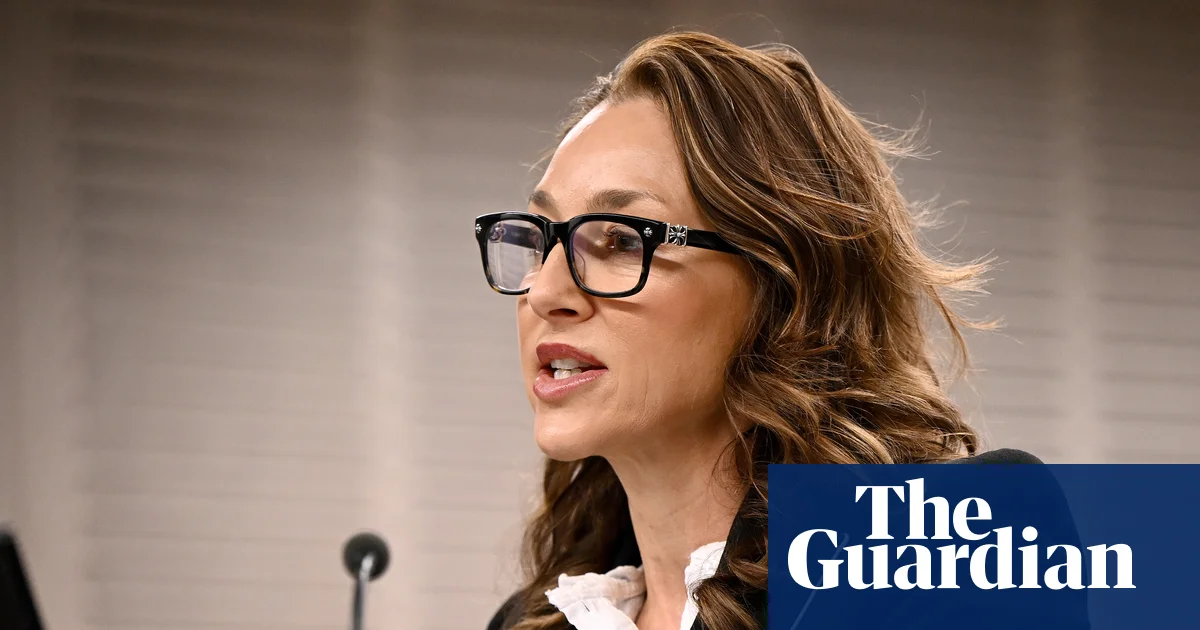
The opening address of counsel assisting the New South Wales Independent Commission of Inquiry, Dr Peggy Dwyer, SC laid out the allegations in horrifying detail. She said that Nassif, now a fugitive in Lebanon, had used his millions to engage the services of a group of Liberal operatives, known as the Reformers, as consultants.
These young men, Dwyer alleges, ran a major branch stacking operation that was designed to take over the Liberal party and promote their conservative agenda, while at the same time using their influence to deliver the outcomes their benefactor sought.
It was not just idle boasting by Nassif. Soon after that taped call, he got what he wanted: the Baulkham Hills MP, David Elliott, lost his preselection. Kevin Anderson, the minister responsible for the building commissioner, was replaced and Chandler, under enormous pressure, resigned.
The Reformers, Icac heard, included two of the former NSW premier Dominic Perrottet's brothers – Jean-Claude and Charles – as well as the principals of two public relations firms, Christian Ellis and Jeremy Greenwood.
Dwyer alleges Ellis and Greenwood took consultancy payments over a period of three years between 2019 and 2022, from Nassif and others. These were "sham" payments, she says, and no real work was provided for these payments.
Instead the money was, she alleges, an illegal donation to the Reformers, and the consultancies an elaborate scheme to avoid either caps on the amount of donations or to funnel donations from banned donors – such as developers and those from the liquor and gaming industry – or both.
The alleged amounts are staggering: $2m from Nassif, more than $250,000 from the Catholic Schools Association and $125,000 from lawyer turned publican Michael O'Hara, who also happens to be the former law partner of right-wing Liberal powerbroker and upper house MP, Damien Tudehope. Tudehope stood down from the frontbench after being called as a witness to the inquiry.
Dwyer also gave hints of the evidence the Icac might have: a huge trove of "encrypted messages" between the young men who are central to this investigation. It appears they are now decrypted. Icac also has evidence of the fundraisers the Reformers held, at which high-profile members of the Liberal party and others, including Tudehope, Tony Abbott and Alan Jones, were speakers.
Dwyer stressed that what she has outlined are at this stage allegations, not evidence, and that it was for the Icac commissioner, Fabian Gleeson SC, to decide the nature of the payments and crucially, the intentions of the key actors. She urged the public not to get despondent at the sheer scale and breadth of the alleged schemes.
But it will be hard for those who follow this inquiry not to feel very alarmed about the state of our democracy, and what it may imply about how both major parties select candidates and determine policy and priorities. For the first time we are seeing the internal ideological war within the Liberal party laid bare.
Dwyer read from a dossier – the Reformers' sales pitch- which was prepared to recruit donors and members. It says they planned to recruit 5,000 members by 2022 and take back the NSW Liberal party for conservatives, aimed to deliver 75% of the seats in the NSW parliament to conservatives by 2023, and sought control over the Liberal party's peak body, the NSW state executive. Their agenda? More conservative policies on same-sex marriage, abortion and euthanasia.
But branch stacking requires significant funds, both to pay the fees of the members who are stacked and the time of the stackers. They needed cash – and that meant finding covert donations.
"Money in politics as in other spheres has the potential to corrupt," Dwyer told the inquiry. Just how she alleges it corrupted in NSW remains to be seen. But her opening address hinted that it may have infected decisions on developments, Liberal party preselections, and led to attempts to unseat the building commissioner, David Chandler, to name a few.
Before the ALP gets too smug about the tsunami of horrible news that is going to engulf the NSW Liberals, it is worth remembering that this inquiry reveals systemic issues in political party financing.