Horrific failings led to 520 mothers and babies in Nottingham suffering harm or dying, sparking calls for a public inquiry into maternity care across England. This was reported by Qazaqyia.kz citing The Guardian.
In all, 444 women and 76 newborn babies suffered "potentially avoidable" outcomes, a damning three-year long review of the biggest childbirth scandal in NHS history concluded.
James Murray, the health secretary, said the nature and scale of the failings exposed by Donna Ockenden's report on maternity services at Nottingham University hospitals NHS trust (NUH) between 2012 and 2025 were "horrific" and "chilling".
Families suffered "dangerously and tragically deficient care at almost every turn" and "the NHS failed them catastrophically", said Murray. He was "devastated" and "heartbroken" to read Ockenden's 401-page account of the "neglect, incompetence, racism, discrimination, contempt and harassment that so many suffered".
Ockenden, a respected maternity safety expert, painted a stark and detailed picture of maternity care at NUH's two hospitals, Queen's medical centre and Nottingham city hospital. "Multiple" women experienced dangerously poor and sometimes "cruel" care there, understaffing was routine, lessons from patient safety incidents were not learned, and bullying by "intimidating cliques" of staff was rife, she found.
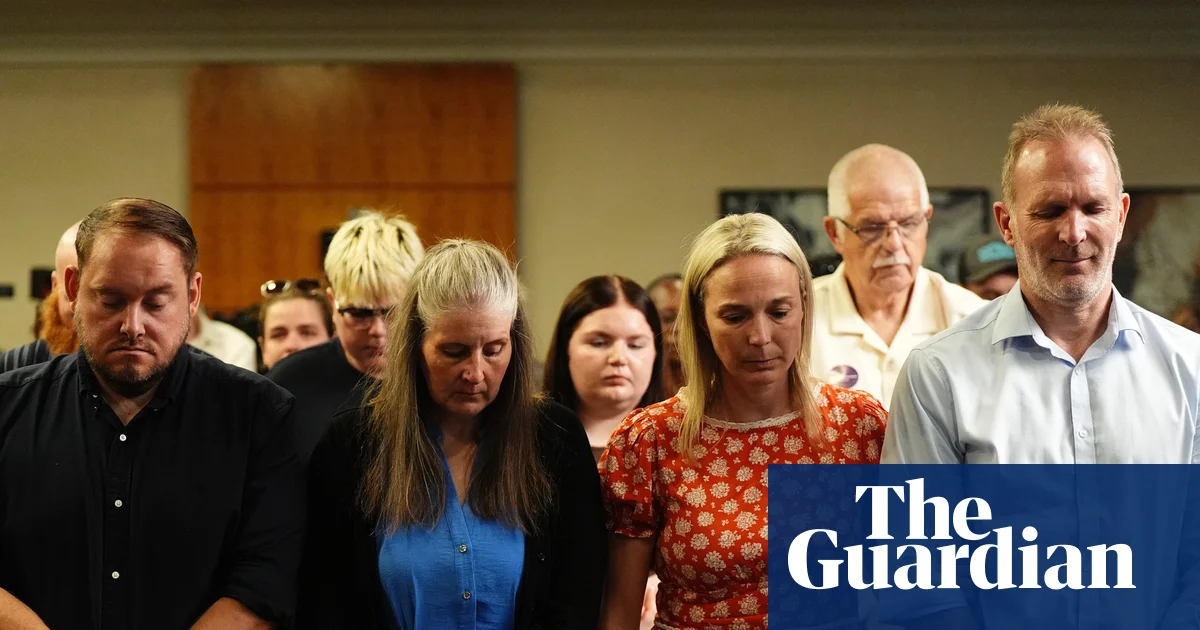
The Nottingham Maternity Families group, which represents about 600 harmed and bereaved families, asked Keir Starmer to establish a statutory public inquiry to investigate failings in maternity and neonatal care across the entire NHS "because safe care can only be consistently delivered when the full truth is known".
The government is considering that request, Murray said. "I don't think we should take anything off the table at this stage," he said when pressed on the possibility of such an investigation.
But he stressed that affected families do not all support such a move. "When I've been talking to families, some want a public inquiry, others take a different view, but what unites all of the families I spoke to is a desire for accountability and a desire to see change happen in the way maternity services are delivered so that women are listened to," he said.
Ockenden and her team of maternity experts investigated the deaths of 27 mothers between 2006 and 2024 and "identified failures in care that may have or substantially impacted on the outcome in six deaths".
Staff not listening to women or acting promptly on concerns they raised was one of the "common failures" involved in maternal deaths, they found, as well as delays in women having scans.
Sajid Javid, the then health secretary, ordered the review in 2022 after families warned that maternity care at NUH care was unsafe. It also examined cases in which babies died as a result of being starved of oxygen during birth or from a hospital-acquired infection, or because midwives and doctors did not manage the mother's labour properly or provided poor postnatal care.
Detailed examinations of the deaths of 31 newborn babies concluded that they had received inadequate care and that, if they had been handled differently, they would probably have avoided coming to harm.
The report lays bare a host of recurring failings in clinical care that put mothers and babies at risk and in some cases had catastrophic consequences. They included repeated failures to monitor babies properly during labour, misinterpretation of CTG trace-reading of the baby's health while still in utero, not recognising when babies were in distress, and midwives not escalating worrying cases urgently to doctors to make rapid decisions on the care and treatment needed.
"In a number of cases these failures contributed to severe neonatal injury, stillbirth and neonatal death," the report says.
In all, 2,536 families and 838 current or former NUH staff gave evidence to the review team. It also found that:
- 01A "bullying and toxic culture" persisted at NUH over many years and impeded moves to improve care.
- 02Maternity service managers and the trust's senior leaders were repeatedly warned about a host of serious problems in the maternity units at both hospitals but did not take effective action.
- 03Maternity staff displayed "a culture of not admitting women who were seeking admission in labour", despite the risks this posed to them and their babies.
- 04Both maternity units were consistently seriously short-staffed and could not cope with the number of births and complexity of cases they had to handle.
- 05One baby girl who died early in gestation was "inadvertently disposed of as clinical waste by laboratory staff after her postmortem examination", compounding her parents' distress.
Families told Ockenden about horrific experiences they had. Some were denied pain relief, or given too little. "It felt brutal … traumatic … They were screaming at me: 'You need to pull yourself together,'" one woman said.
In behaviour that Ockenden said was sometimes "cruel" and lacking compassion, staff could be dismissive of women's concerns. One said she was told: "Is this your first baby? Take some paracetamol and have a hot bath."
The Nottingham Maternity Families group said the need for a full public inquiry, with the power to compel witnesses to attend, was underlined by the "appalling" refusal of so many senior figures, in the trust and local NHS bodies who were overse.