The pattern of boat accidents in Nigeria has become wearyingly familiar: many die, officials call for adherence to regulations, calls are ignored, campaigners cite lack of resources, and another tragedy occurs. This was reported by Qazaqyia.kz citing BBC News.
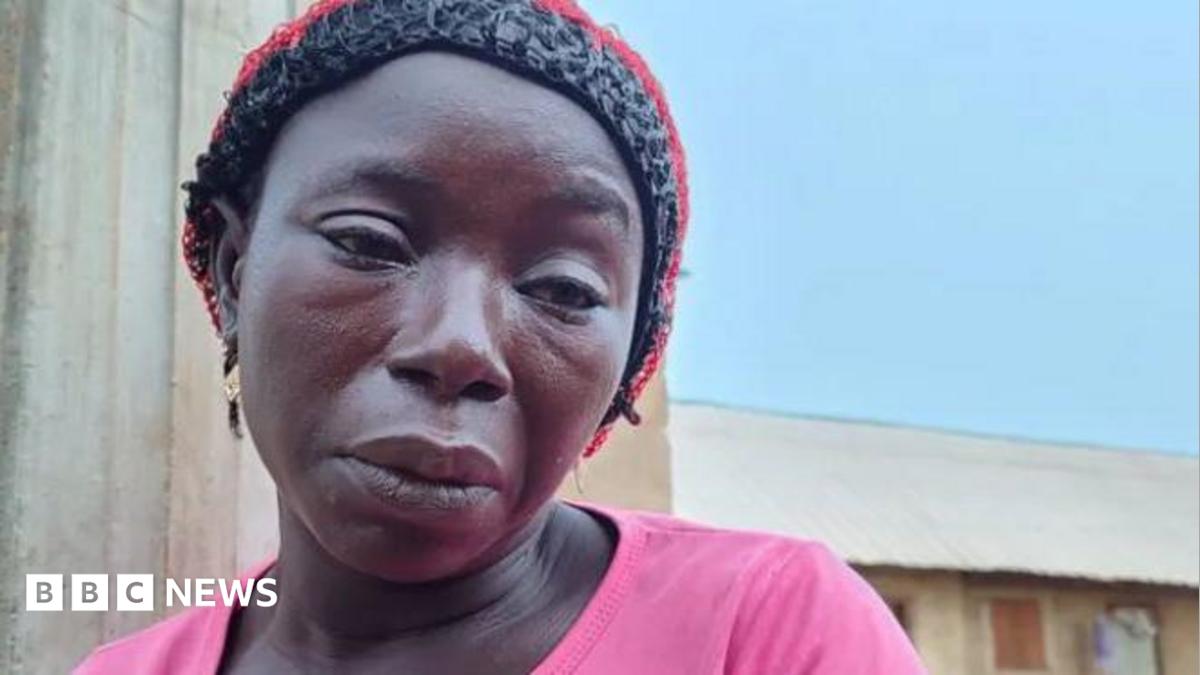
The latest incident occurred in Jigawa state on Sunday when a wooden canoe capsized with 40 people on board, mostly female farmers and labourers. Twenty-three people have been rescued alive, but nine bodies have been recovered so far.
Last month, a boat accident on the River Benue in central Nigeria claimed 12 lives, including a pregnant woman and six children. Earlier this year, 14 people died when their boat capsized in Gumbi, Kebbi state, returning from a wedding ceremony.
So far this year, more than 55 people have lost their lives in boat accidents, with dozens of bodies yet to be recovered. For millions of Nigerians, particularly in rural areas, rivers are the most practical means of transport.
Isiyaka Bello lost his wife last year when she was returning from a village market in Kebbi state and died along with eight others. "It seems like just yesterday. She left behind four children, and I am still struggling to adjust to raising them on my own. Whenever I pass by a large body of water, all I think about is her," he said.
Failure to enforce basic safety rules like wearing life jackets is a key reason. Mallam Sala Altine, the Sarkin Ruwan Shiroro, who is responsible for safety on Shiroro Lake in Niger state, says: "Our boats usually carry well over 100 passengers. But most of the time, we can only provide life jackets for 10 people, or even fewer, because we simply don't have enough. We want to make it a rule that everyone who boards a boat must wear a life jacket. But we can't enforce it because we don't have any to give them."
Between January 2023 and October 2025, Niger state accounted for a significant share of nearly 860 deaths recorded across Nigeria. One report noted 253 deaths in the state between June 2023 and August 2025.
Ibrahim Husseini, director of information at the National Emergency Management Agency of Niger state, says the government regularly provides life jackets, but people who have spent their whole lives by the water say they don't need them or find them uncomfortable. "Sometimes it is difficult to force them to wear life jackets," he told the BBC.
Few women know how to swim compared to men, putting them at particular risk. After a deadly accident last year in Niger state that killed at least 32 passengers, the National Inland Waterways Authority announced that life jackets were obligatory throughout the country.