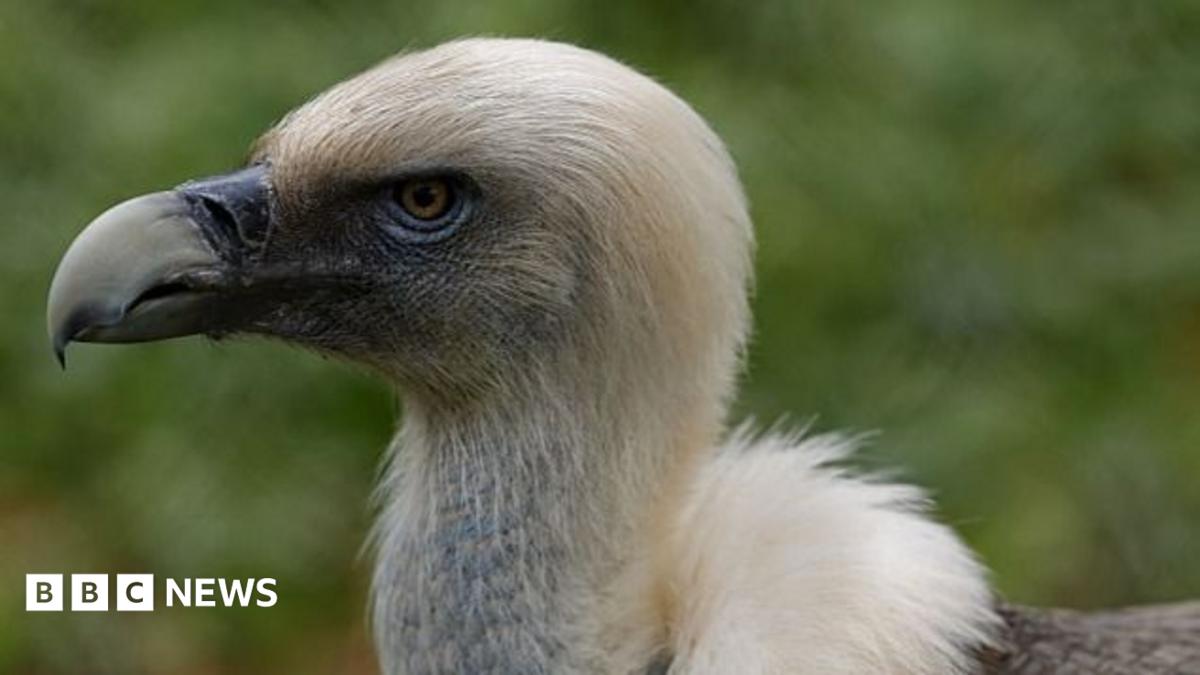
Chukwuemeka Igwe, a resident of Awka-Etiti in southeastern Nigeria, is known as the 'Vulture King' thanks to his volunteer work with the Nigeria Conservation Foundation (NCF). This was reported by Qazaqyia.kz citing BBC News.
Igwe says vultures have been a feature of daily life in this town for as long as he can remember, walking around among humans and scavenging for food. Locals do not hunt vultures; instead, they attract them by offering animal sacrifices at a shrine in a sacred forest.
"There is an adage we use here that says: 'When you put down a sacrifice and you do not see vulture[s], know that something happened in the spirit world'," Igwe says. The presence of vultures indicates that the deity has accepted the sacrifice.
Scientists emphasize the vital role vultures play in nature. They consume dead animals within hours, helping prevent carcasses from becoming breeding grounds for dangerous bacteria and diseases. NCF conservation biologist Stella Egbe says: "In places where the total collapse of vultures has happened, there has been impact of rising zoonotic diseases."
Vultures' powerful stomach acids allow them to safely consume infected animals, helping stop diseases such as anthrax and rabies from spreading. Without vultures, ecosystems lose a natural defence system.
However, several factors are driving vulture decline. Poisoning is the cause of death for an estimated 60% of vultures in Africa, according to BirdLife International. Additionally, the use of vultures and their body parts in traditional medicine and Vodun (Voodoo) has emerged as a significant driver of their decline.
In Nigeria, dead adult vultures used to sell for around 25,000 to 30,000 naira ($18 to $22) each, but can now fetch up to 200,000 naira ($145) per bird, says Egbe. Vulture eggs and nests are increasingly targeted too, which for such a slow-breeding species is a catastrophic and "shocking" development.
Adult vultures usually reach sexual maturity between the ages of five and seven, and produce only one chick every year or two. Many young vultures do not survive their first year.
These issues will be high on the agenda when researchers meet in Abuja later this year to review the West African Vulture Conservation Action Plan.