Thirty-three people died in a prison cell in Minna, capital of Nigeria's Niger state, and four others died later in hospital. This was reported by Qazaqyia.kz citing BBC News.
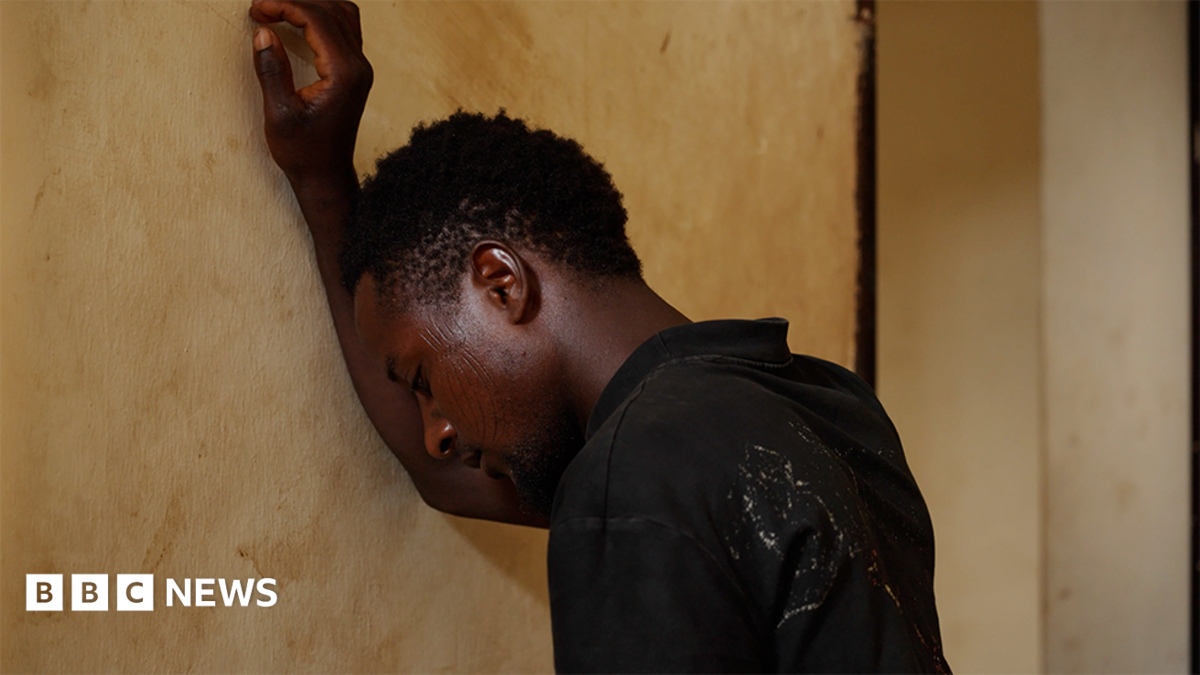
Usman Muhammad survived. He was trapped in a cramped cell measuring roughly 6m by 3m with more than 50 other prisoners. He said there was standing room only, humidity exceeded 90%, and outside temperatures were above 25C. Ventilation came only from a small window high up on the wall.
"I have never felt heat like that in my life. When we touched each other's bodies, it felt like fire burning," Muhammad told the BBC.
He is an artisanal miner in his 20s, eking out a living searching for precious metals. The federal government has tried to crack down on this alleged illegal activity.
Officers from the Nigeria Security and Civil Defence Corps (NSCDC) arrested a large group of miners near Minna last Tuesday and Wednesday. The NSCDC has not shared the names or number of those held.
Muhammad said detainees drank their own urine and collected sweat to stay alive. "One of us fainted and we started knocking at the door. When a guard came we asked him for water. He looked at the guy that fainted and closed the door. That's how they started dying one after the other," he said.
Another survivor, Adamu Isah, told Reuters: "While in the cell, we were shouting and telling them that people were dying. We tried to break down the door when they refused to open it. At one point, a security officer came to the door. We were shouting and telling him that people were dying, but he said it wasn't his problem if people died."
On Thursday, the cell door was opened and guards saw the dead bodies.
The NSCDC has not directly responded to accusations of neglect but said 24 of its personnel are now in custody in connection with the deaths, including its suspended Niger state commandant Suberu Aniviye.
"The people who were killed are not flies. How can this go unlooked? We will get to the bottom of this," Niger state Governor Umaru Bago told the BBC.
A 10-member committee has been set up to determine what happened. It has two weeks to establish the causes of the deaths, identify who was responsible and recommend legal action.