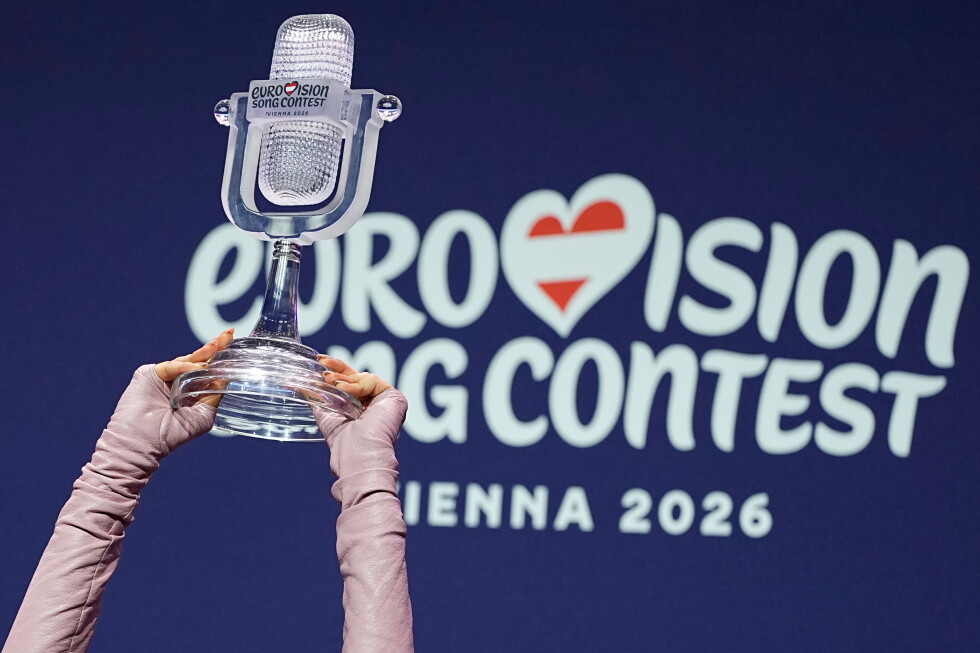
Dutch broadcaster AVROTROS announced Monday it is boycotting the Eurovision Song Contest for a second year, calling it a "platform for division" because of tensions over Israel's involvement. This was reported by Qazaqyia.kz citing Associated Press.
The decision by AVROTROS comes after broadcasters in the Netherlands, Iceland, Ireland, Slovenia and Spain refused to take part in this year's contest because of Israel's participation.
"AVROTROS will not participate in the Eurovision Song Contest in 2027 because the event can no longer be considered neutral, with a participating country still involved in a large-scale military conflict," it said.
The Dutch broadcaster, which has a long history of involvement with the competition, said it was leaving it up to the public network NPO to decide on any Dutch involvement.
"The Eurovision Song Contest was originally created to bring people and countries together. It is undeniable that international conflicts are increasingly affecting the contest, undermining its neutral character," AVROTROS director-general Taco Zimmerman said in a statement. "The Eurovision Song Contest has therefore become a platform for division."
NPO did not immediately respond to a request for comment.
AVROTROS said it has called on the European Broadcasting Union (EBU) to establish transparent rules for the participation of countries involved in military conflicts. "However, the recently announced changes by the EBU do not provide sufficient confidence that the independent and neutral character of the Eurovision Song Contest has been restored," it said.
The Geneva-based EBU — a group of public broadcasters from 56 countries that runs Eurovision — did not immediately comment.
While AVROTROS did not mention Israel by name, it said the network will boycott Eurovision in 2027 "because the event can no longer be considered neutral, with a participating country still involved in a large-scale military conflict."
It added: "The severe humanitarian suffering in Gaza and the ongoing restrictions on press freedom have contributed to increasing divisions surrounding the Eurovision Song Contest in recent years."
The contest was founded in 1956, in part to help unite a shattered continent after World War II. It pits acts from dozens of countries against one another for the continent's musical crown. Bulgarian singer Dara won the contest this year.