The philosophy of 'no dead ends' underpins Dutch education and youth employment policy — every stage of a young person's journey is designed to lead somewhere. This was reported by Qazaqyia.kz citing BBC News.
Under Dutch law, children aged 5 to 16 must attend school, then they must stay in education or training until they secure a qualification or turn 18. One key tool for cutting dropout rates is the kwalificatieplicht (qualification requirement).
From around age 12, Dutch pupils are streamed into one of three secondary tracks based on teacher recommendations and primary-school test results. The system is controversial, with critics warning early streaming can disadvantage some children and harm self-esteem.
Across the UK, young people can leave school at 16, but rules vary. In England, they must stay in education or training until 18; in Scotland, Wales and Northern Ireland, there is no equivalent legal requirement.
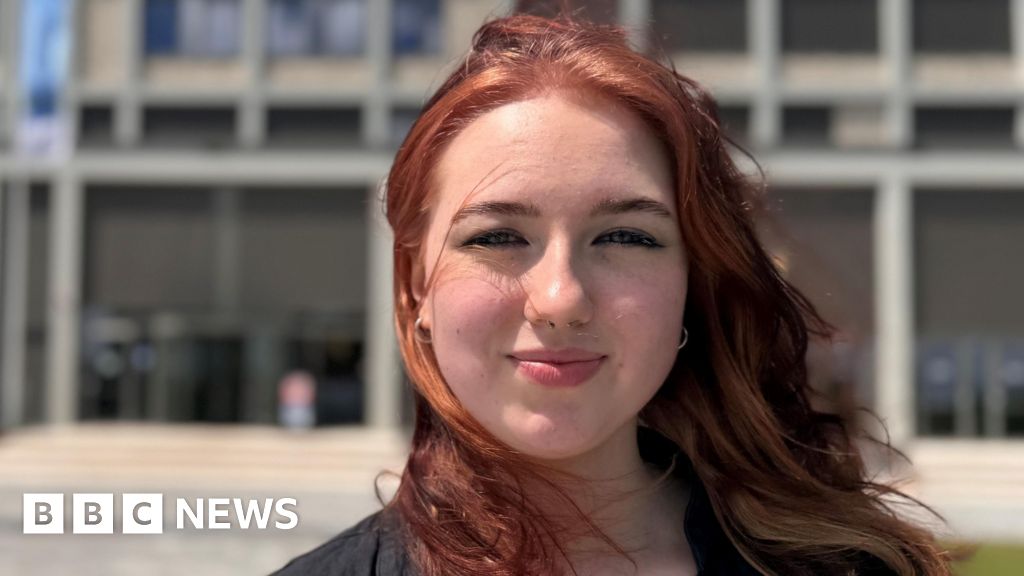
At age 10, Amelie was told to choose the vocational VMBO track. She says this affected her confidence, as VMBO is not the most academic route. However, at 12 she felt more optimistic: "We had a textiles class, there was a blacksmithing area," she explains. Amelie studied fashion but struggled to secure an internship and left her course aged 17. She then spent six months working and travelling. If leaving education had been an option, she might have taken it, but without a qualification it wasn't possible.
The Dutch system offers hands-on experiences through work-study pathways, employer partnerships, and state-supported apprenticeships. Businesses can request customised college programmes. Amelie said businesses seemed to queue up for graduates with in-demand trades.
Students aged 16+ can combine part-time work with study via the beroepsbegeleidende leerweg (vocational training pathway), typically working most of the week and attending school one or two days. Asja van der Helm, a high school teacher in The Hague, says young people pursuing vocational qualifications are seen as valuable assets. "Many skilled tradespeople — electricians, roofers, installation specialists, technicians and craftspeople — are earning excellent incomes and are desperately needed by society," she explains.
Destiny moved from Bonaire in the Caribbean to the Netherlands. Through a beauty therapy course, an internship became paid work in a salon. This illustrates Dutch policymakers' goal: ensuring young people move seamlessly from education into work.
For students struggling with formal pathways, alternatives funded by school budgets exist. Alexander Koppelle owns Mooi Jong (Beautiful Young) in The Hague, working with school-referred pupils at risk of becoming NEET. He sketches a spider's web where each strand represents a point where a teenager could drop out, lose a job, or disengage. Then he fills in the gaps: at every junction, another organisation, intervention, or chance. "I'm not sure we have the golden key," Koppelle says, but his experience and data suggest "there are lessons to be learned from the Netherlands."