In Waddinxveen, Netherlands, Jeroen Wouda and Dirk Boom walk slowly along a dike, prodding at the bone-dry surface with metal rods and scanning the parched grass for patches of green that could give away the location of a leak. In a scene reminiscent of the fictional Dutch boy who plugs a hole in a dike with his finger, the two men are hunting for cracks in the low-lying Netherlands' famed water defenses caused by a drought gripping Europe, fueling wildfires in France and Spain, and sending the Danube and Rhine rivers to record lows. This was reported by Qazaqyia.kz citing Associated Press.
Peter van Duijvendijk, flood defense manager, expressed concern about the dikes' resilience to drought. He said dry soil reduces the strength of dikes, increasing the risk of flooding. Van Duijvendijk is near a dike in Waddinxveen, monitoring the situation.
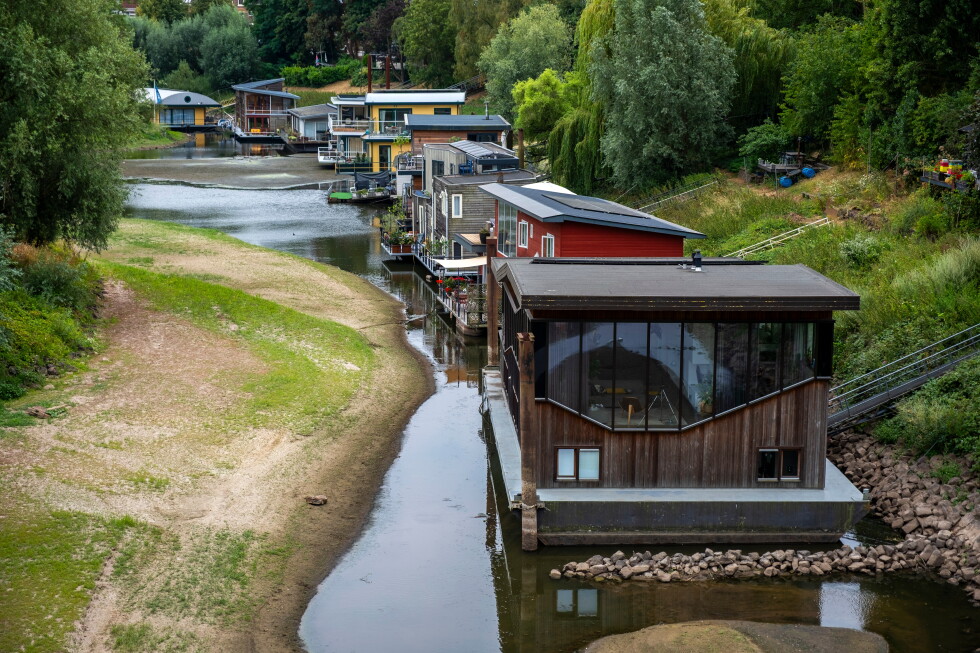
Associated Press correspondent Mike Corder reports that houseboats on the Waal river in Nijmegen are struggling due to low water levels. Residents are forced to draw water from the river for their plants. The riverbed near Beusichem has dried up, and people cross via a footbridge.
Barges on the Lek river are having difficulty passing under bridges. This situation illustrates the scale of the drought in Europe. Experts warn that climate change will make such droughts more frequent and pose a threat to dikes.
The Dutch government is carrying out reinforcement works on dikes, but specialists believe this is insufficient. The drought also affects shipping on the Rhine, hampering goods transport in Germany. This could lead to economic losses.
Dike inspections have been intensified. Specialists like Wouda and Boom patrol dikes daily, trying to detect cracks. Their work resembles the boy from the tale, but is carried out with modern methods.
The drought is a serious test for the Netherlands' water management system. With a third of the country below sea level, the reliability of dikes is crucial. Experts warn that the effects of the drought could be long-lasting.
Associated Press photographer Patrick Post captured images of houseboats on the Waal in Nijmegen, the dried-up riverbed near Beusichem, and barges on the Lek. These photos are clear evidence of the drought.
Dutch authorities are monitoring the situation and taking necessary measures. Additional work is being done to ensure dike safety. However, according to experts, this problem is not only for the Netherlands but for all of Europe.
Due to the drought, the Rhine has reached a historic low. This hampers raw material deliveries to German industrial enterprises. Economists note the negative impact on the European economy.
The Netherlands' flood defense system is considered one of the most advanced in the world. However, climate change creates new challenges. Specialists emphasize the need to continue investing in dike modernization.
In drought conditions, the internal structure of dikes may also suffer. Drying soil reduces dike strength. This could lead to an accident during a flood.
Wouda and Boom continue their work. They check every meter of the dikes. Their efforts are aimed at ensuring the reliability of the Netherlands' flood defense system.
Associated Press has reported this situation, drawing world attention. The effects of the drought are felt not only in the Netherlands but across Europe. International cooperation is needed to address this issue.