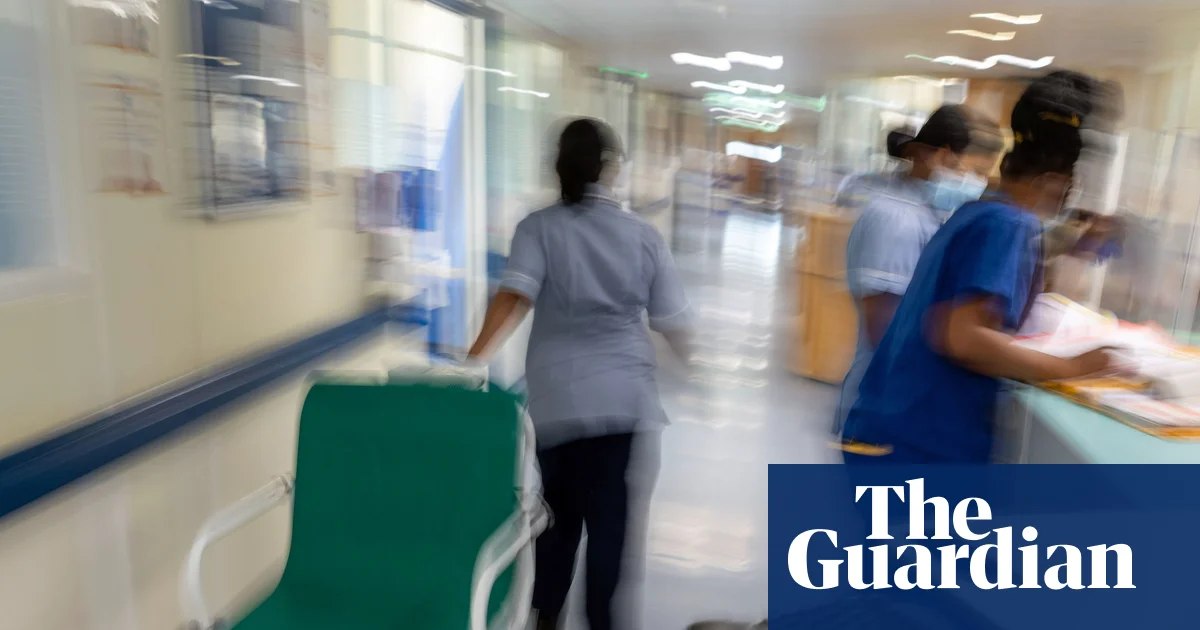
The NHS came under its most intense strain ever as a result of the summer's five heatwaves, amid warnings that extreme heat is having an unprecedented impact on human health. A&E units, ambulance services and the NHS 111 telephone advice line all experienced record demand for their services in England in June, July and August as Britain experienced record temperatures. This was reported by Qazaqyia.kz citing The Guardian.
NHS England's latest performance statistics, published on Thursday, prompted claims that the growing climate emergency has left the NHS with a "twin crisis" as it struggles to meet patients' need for care in the summer as well as winter.
"Extreme heat is now an NHS pressure point, not just a weather story," said Sarah Woolnough, the chief executive of the King's Fund health thinktank.
"The NHS is now facing a twin crisis with summer joining winter as a major pressure on services and leaving little room for staff and the system to recover between peak periods," she added.
"One major factor is climate change. As its effects become more pronounced and record-breaking heatwaves become more frequent, the impacts on people's health and our health system are becoming more obvious," she said.
Almost 7.3 million people attended A&E units in England in June, July and August — the highest number ever seen in the summer. The total of 7,268,445 attendances was 240,000 more than the 7,027,384 who attended in the same months in 2025, NHS England said.
Almost a million more people sought help at A&E this summer than in the same period in 2022.
It was a similar picture with other key NHS services. There was also a record number of ambulance callouts this summer — 2.46m, up from 2.32m in the same period last year. And NHS 111 answered just over 3m calls over the summer months — more than 100,000 up year-on-year.
"Despite a scorching summer which has tested the NHS like never before and seen demand rocket to record levels, staff have risen magnificently to the challenge to deliver for patients", said Prof Frankie Swords, NHS England's national medical director.
Yvette Cooper, the health secretary, acknowledged the new challenge that very high temperatures were posing for the NHS, when she said that "the reality is that extreme demand is no longer confined to winter".
She announced that £1.5bn of NHS funding would be used to give hospitals extra capacity through the construction of new operating theatres, children's wards and improved maternity units, as well as measures to "heat-proof" the NHS. However, the latter was only allocated £32m of the £1.5bn, the Department of Health and Social Care said.
The DHSC has set up a heat taskforce to come up with ideas to help the NHS cope with extreme heat. Many hospitals struggled to maintain normal care this summer during the heatwaves.
"August was the world's joint hottest month on record and the health impact is clear to see in hospitals across the country," said Andrew McCracken, the director of external affairs at the charity Asthma + Lung UK.
"Breathing issues are already the leading cause of emergency admissions in England and it's likely that this summer increase is in part being driven by respiratory problems," he said.
"As temperatures rise it becomes harder to breathe. Layer on top smoke from wildfires, pollution trapped by the high pressure and a longer pollen season and people with lung conditions like asthma and chronic obstructive pulmonary disease are facing a barrage of potential triggers," he added.
In worrying news for the government Thursday's figures also showed that the NHS waiting list in England for hospital rose in July to 7.3 million — the highest figure since last October.
The rise raises doubts about the likelihood of the government meeting its pledge to ensure the NHS is once again treating 92% of people on the waiting list within 18 weeks by 2029.