Israeli Prime Minister Benjamin Netanyahu has rejected a Gaza plan hailed by US President Donald Trump, vowing no military pullout of Gaza until Hamas is "genuinely" disarmed. This was reported by Qazaqyia.kz citing The Guardian.
"Israel rejects the 15-point document," Netanyahu said, referring to a plan endorsed in late July by Hamas.
The Israeli military "will not carry out any withdrawal until Hamas is genuinely disarmed and will continue to thwart threats against our forces and our citizens," Netanyahu said at a cabinet meeting, Reuters reports.
The document, the latest stage in a US-led ceasefire announced in October that has reduced but not ended Israeli operations in Gaza, said Hamas would surrender weapons to a nascent Palestinian governing body.
The plan said Israel would begin pulling out forces in tandem with the disarmament, an idea adamantly rejected by Israel which also wants Hamas to destroy its weapons.
Netanyahu said that Israel was speaking with the US about its objections. "They have ideas; some of them are acceptable to us and some are not, and we know how to stand our ground on these matters," he said.
Netanyahu said that Hamas must give up all of its weapons, a goal that Board of Peace members say is not realistically achievable. "We are talking about real disarmament, not fictitious disarmament," Netanyahu said.
This development occurs amid ongoing instability in the Middle East. The US-brokered ceasefire announced in October has significantly reduced violence in Gaza, though not completely halted it. However, key disagreements between Israel and Hamas, particularly over disarmament and troop withdrawal, persist.
Netanyahu's statement underscores the complexity of negotiations between the US and Israel over Gaza's future. The US plan envisions a phased withdrawal of Israeli forces if Hamas agrees to surrender weapons. But Israel rejects this approach, demanding full disarmament first.
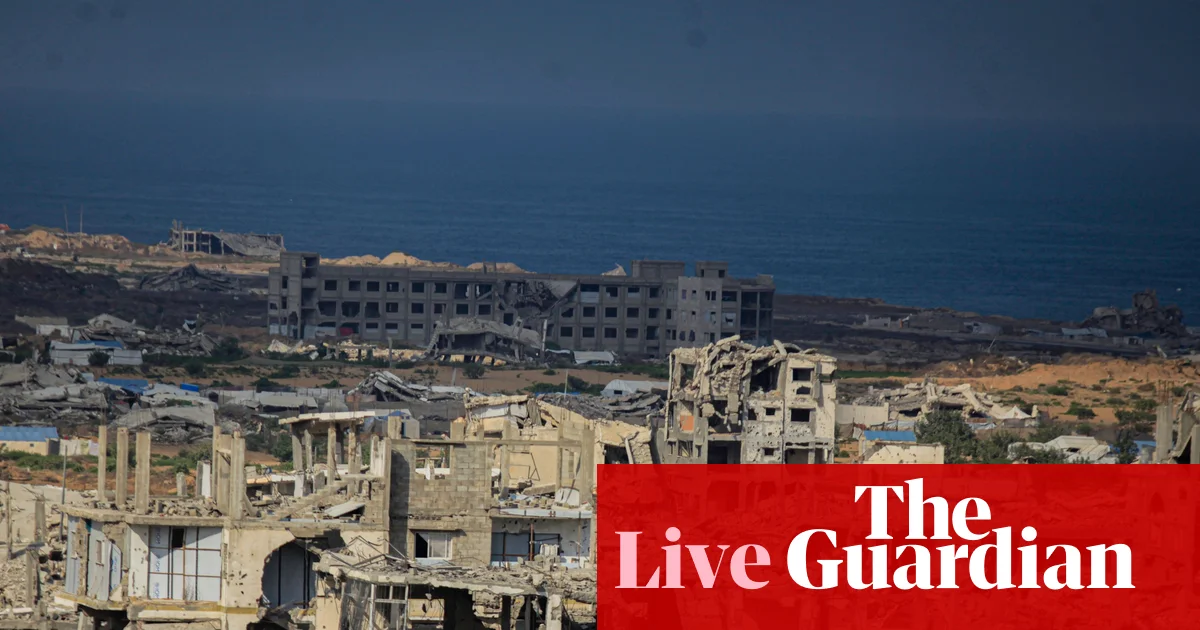
Experts suggest this deadlock could worsen the humanitarian situation in Gaza. According to the UN, the vast majority of Gaza's residents need humanitarian aid, and infrastructure is severely damaged.
The Israeli government's stance is drawing mixed reactions from the international community. Some countries express understanding of Israel's security concerns, while others call for full implementation of the ceasefire agreement.
The US administration has not yet officially responded, but experts speculate the Trump administration may pressure Israel. However, Netanyahu appears steadfast in his position.
This situation could influence the Middle East peace process in the coming months. A new round of negotiations between Israel and Hamas is expected, but the positions of both sides remain far apart.